Bildegalleri
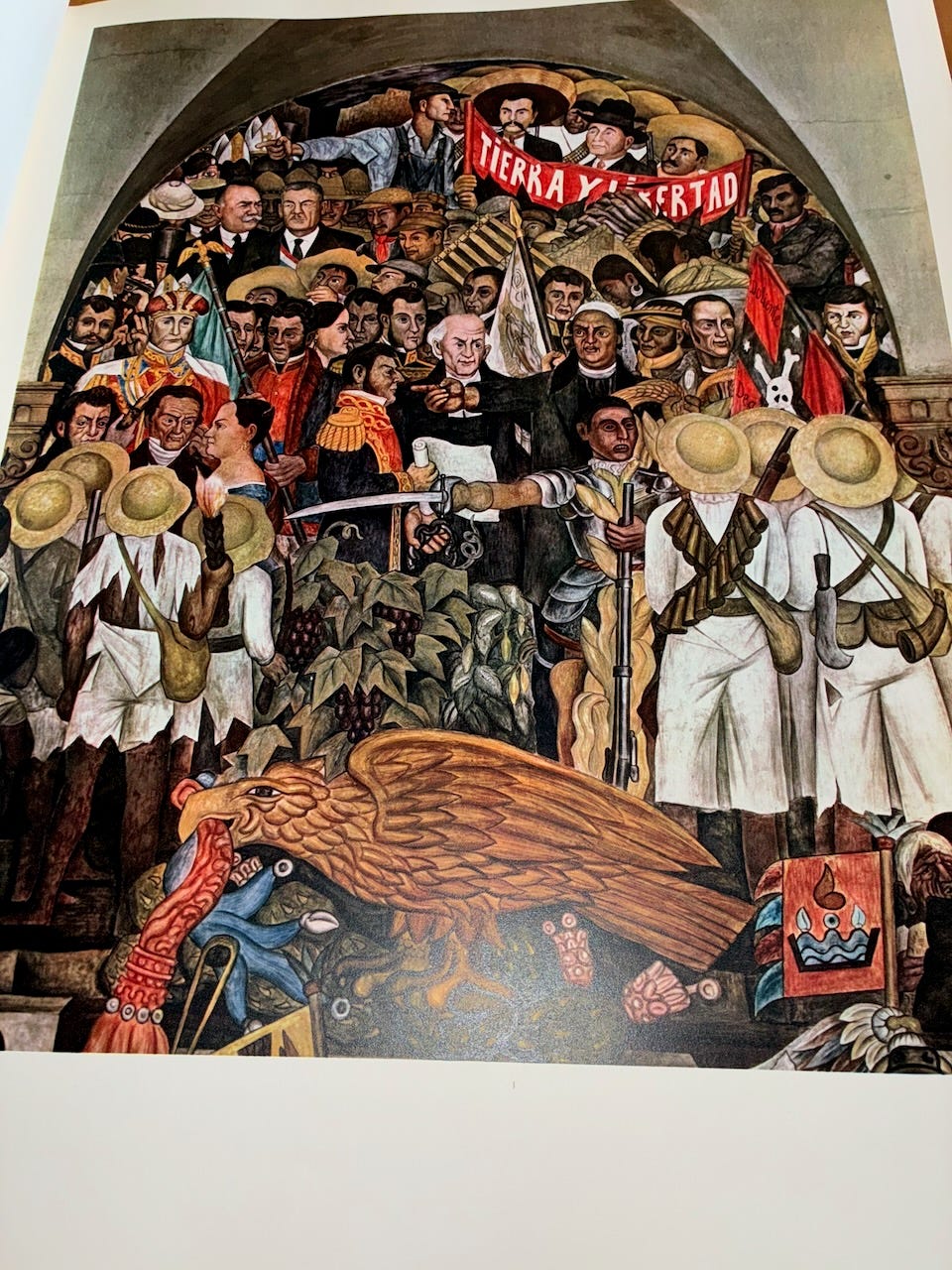
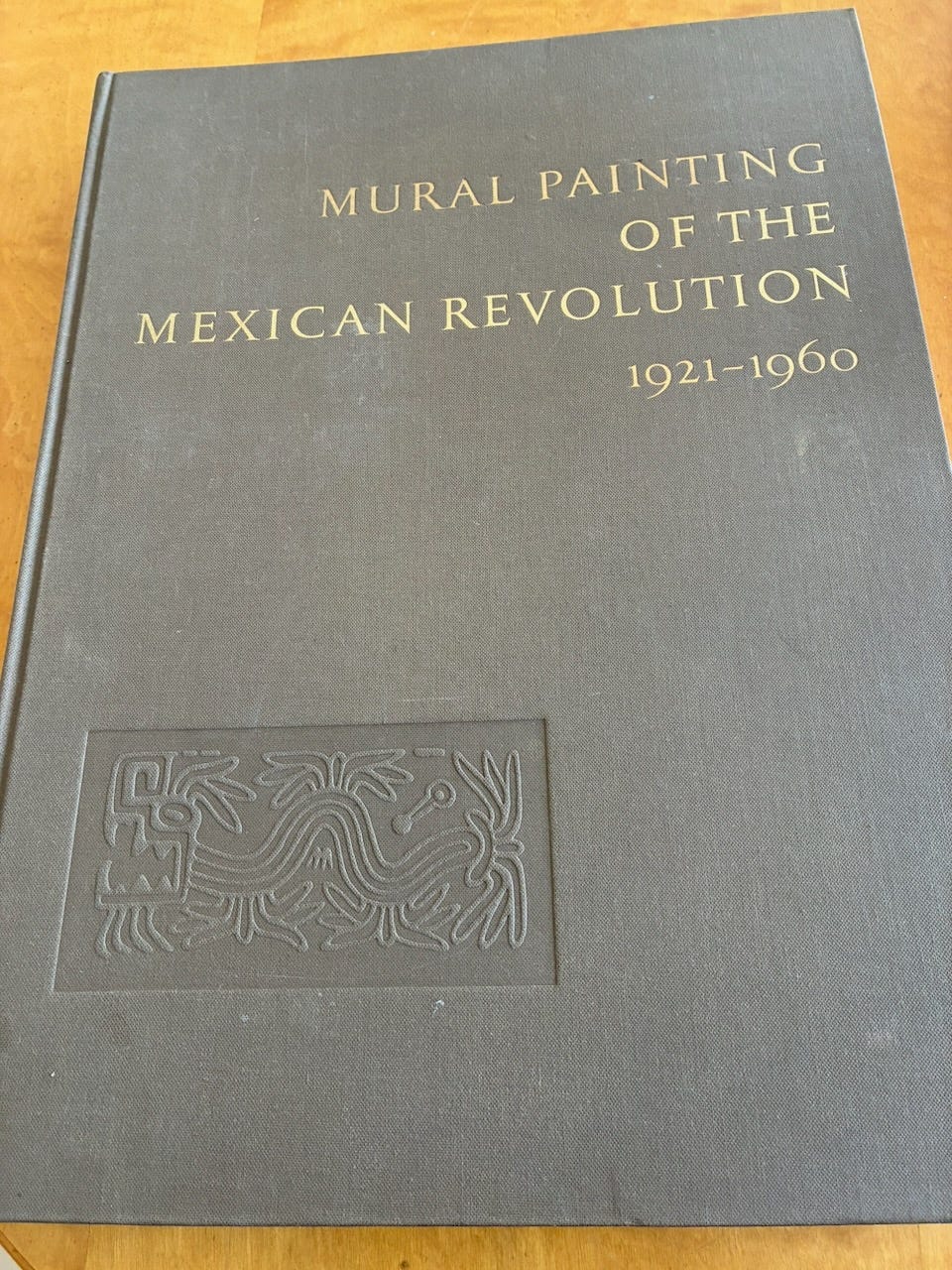
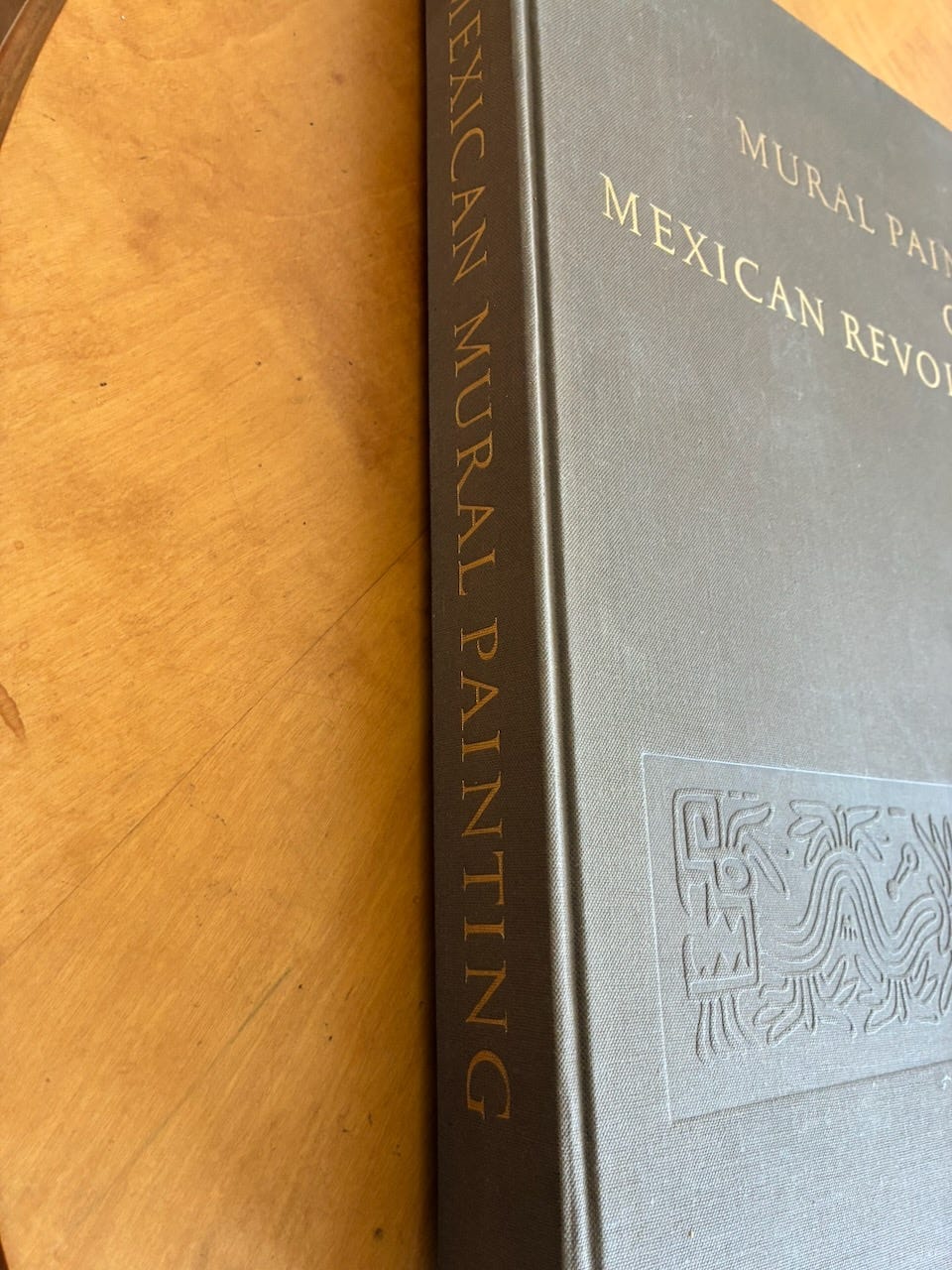
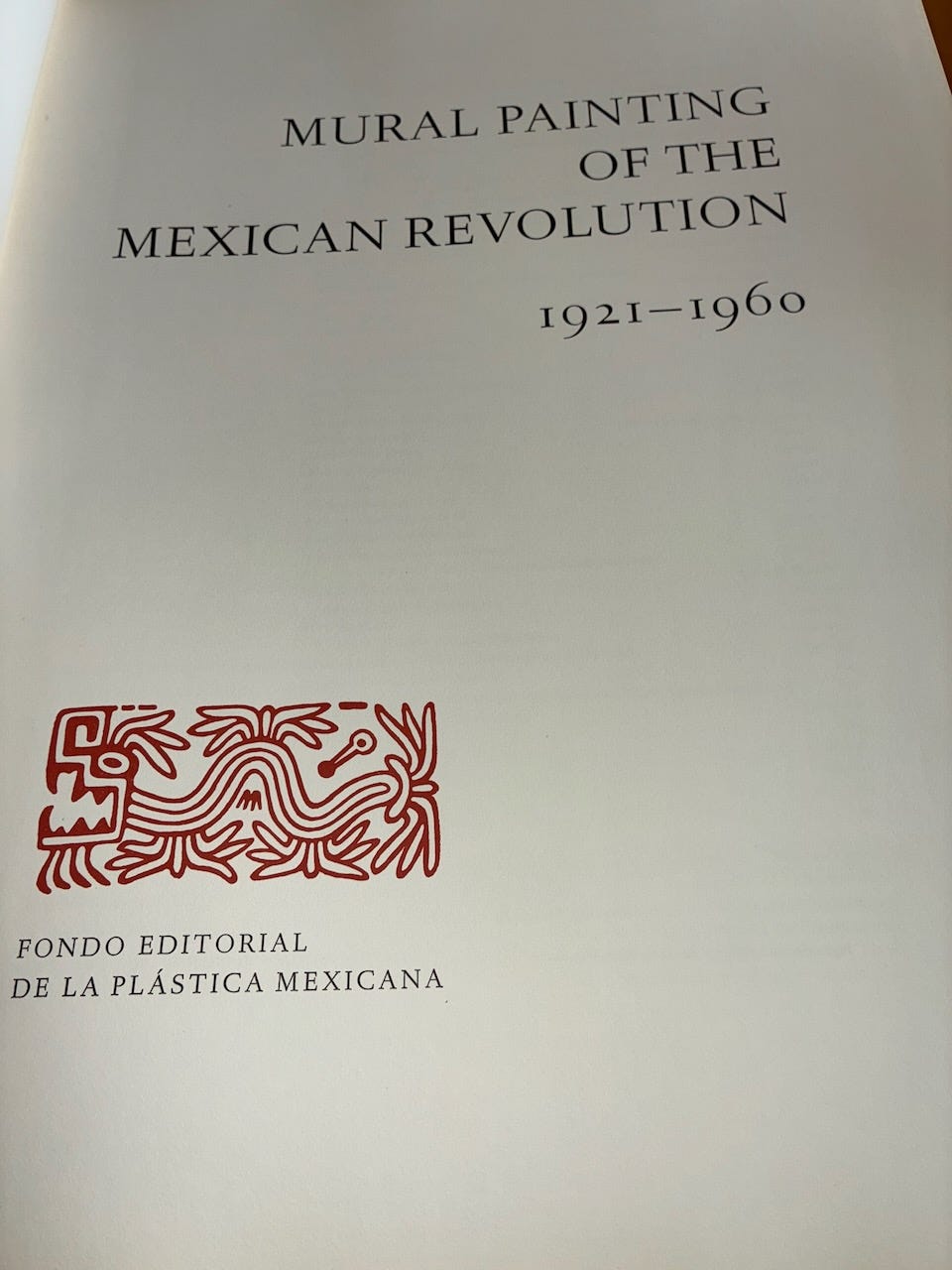
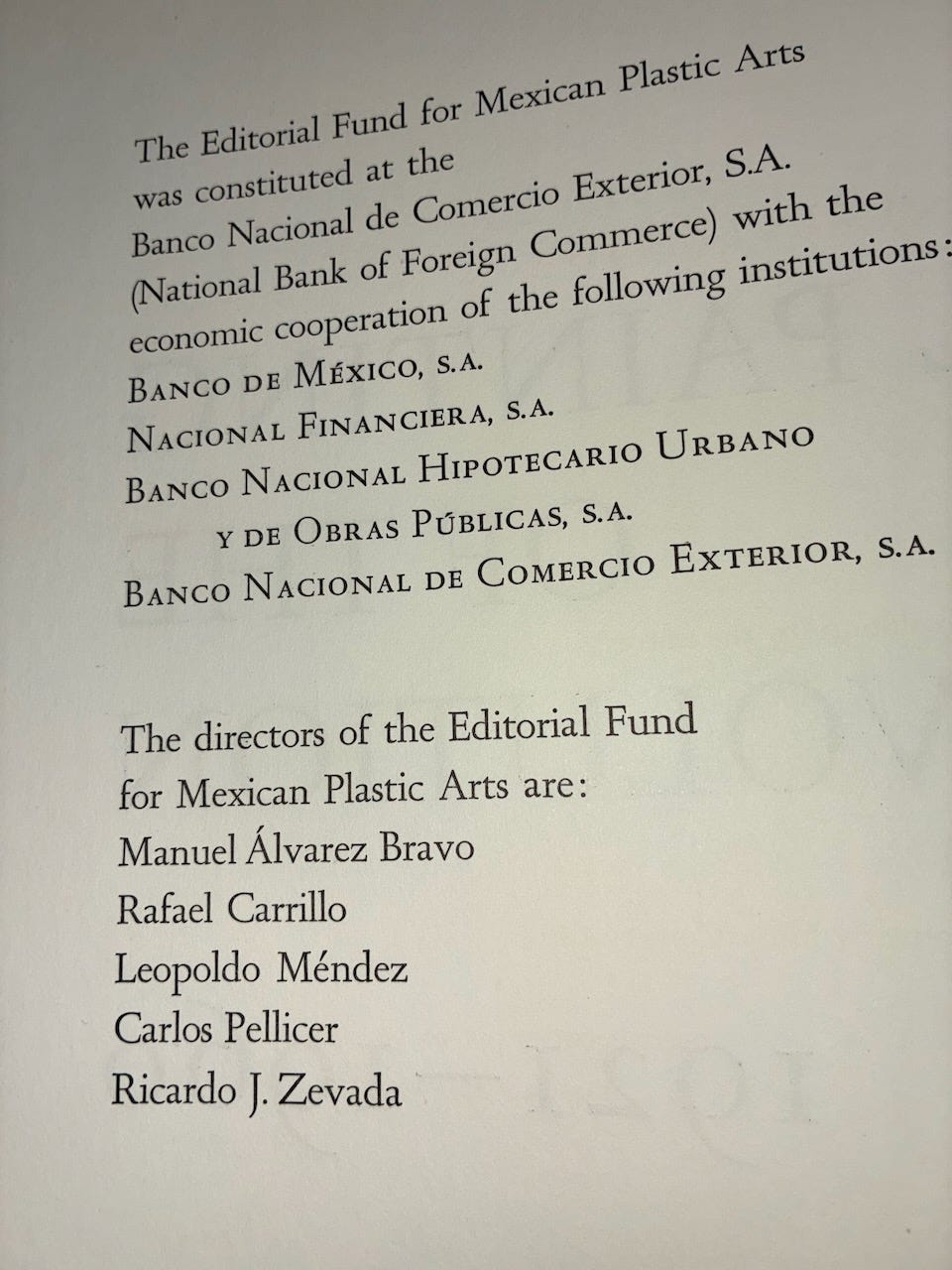
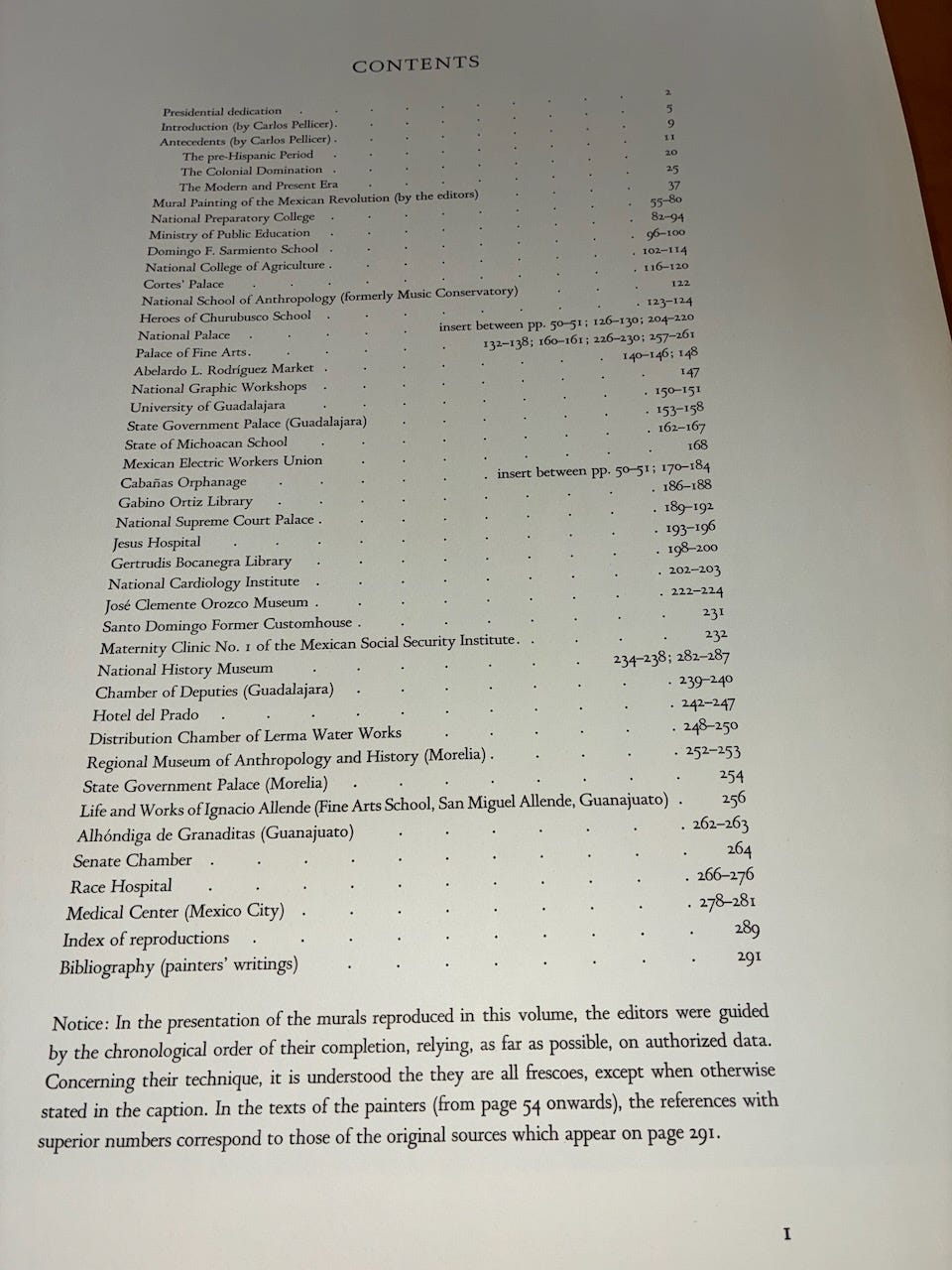
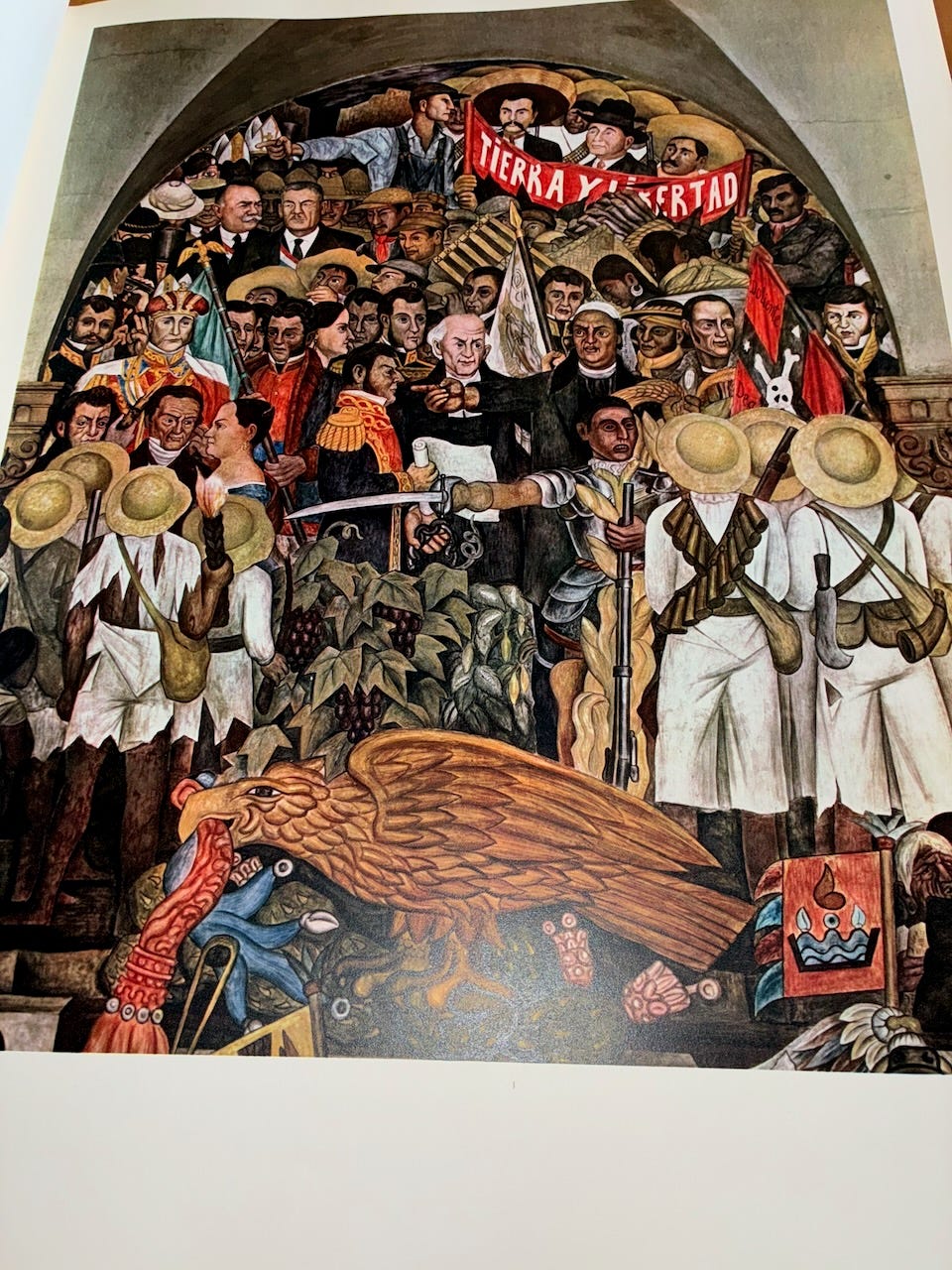
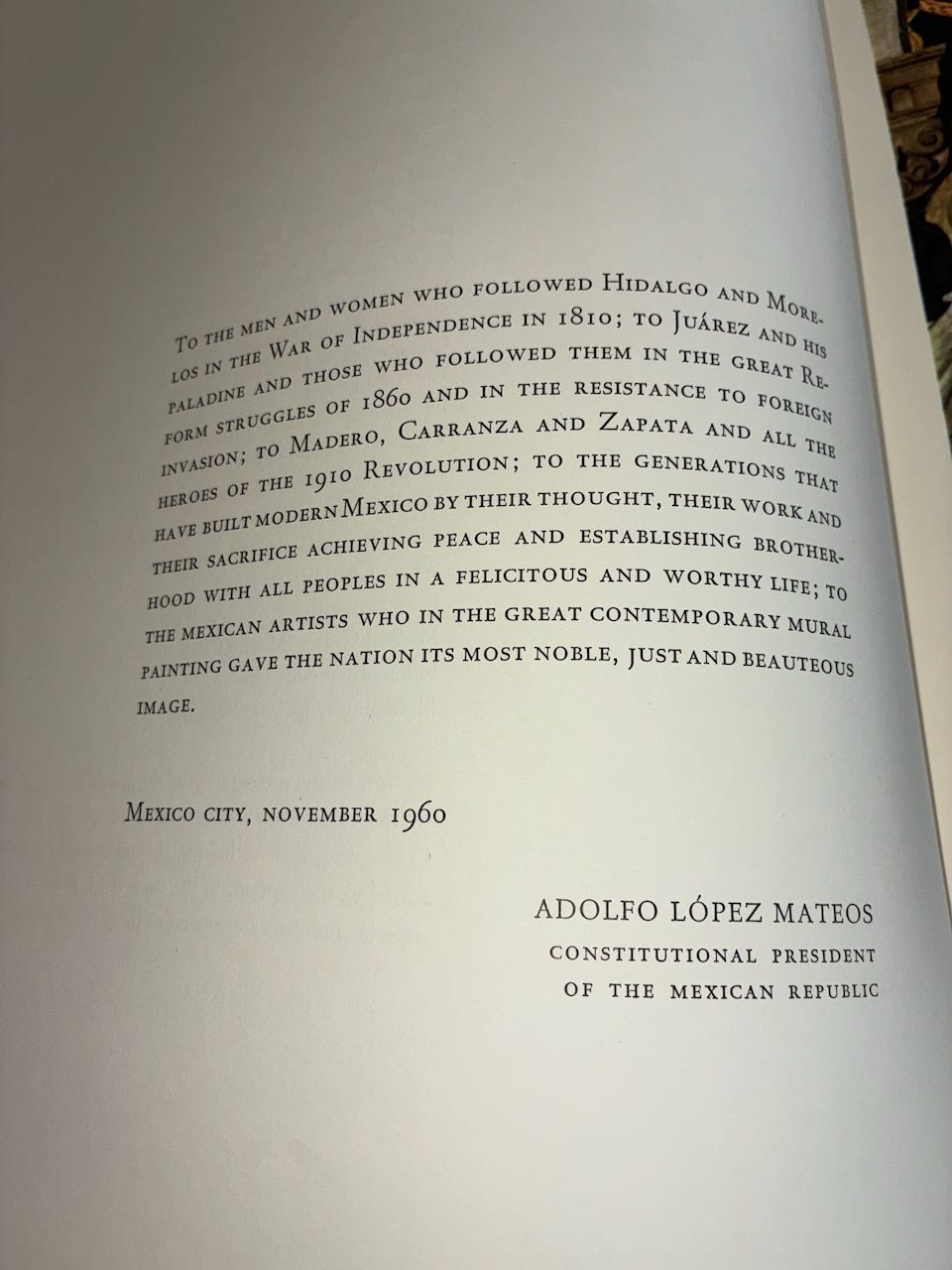
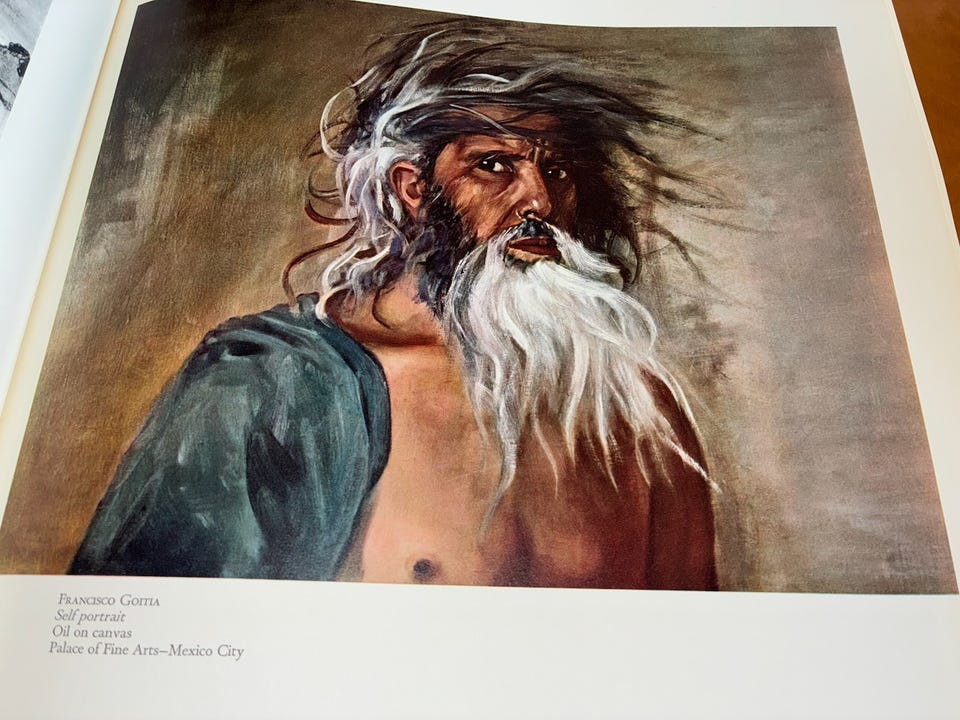
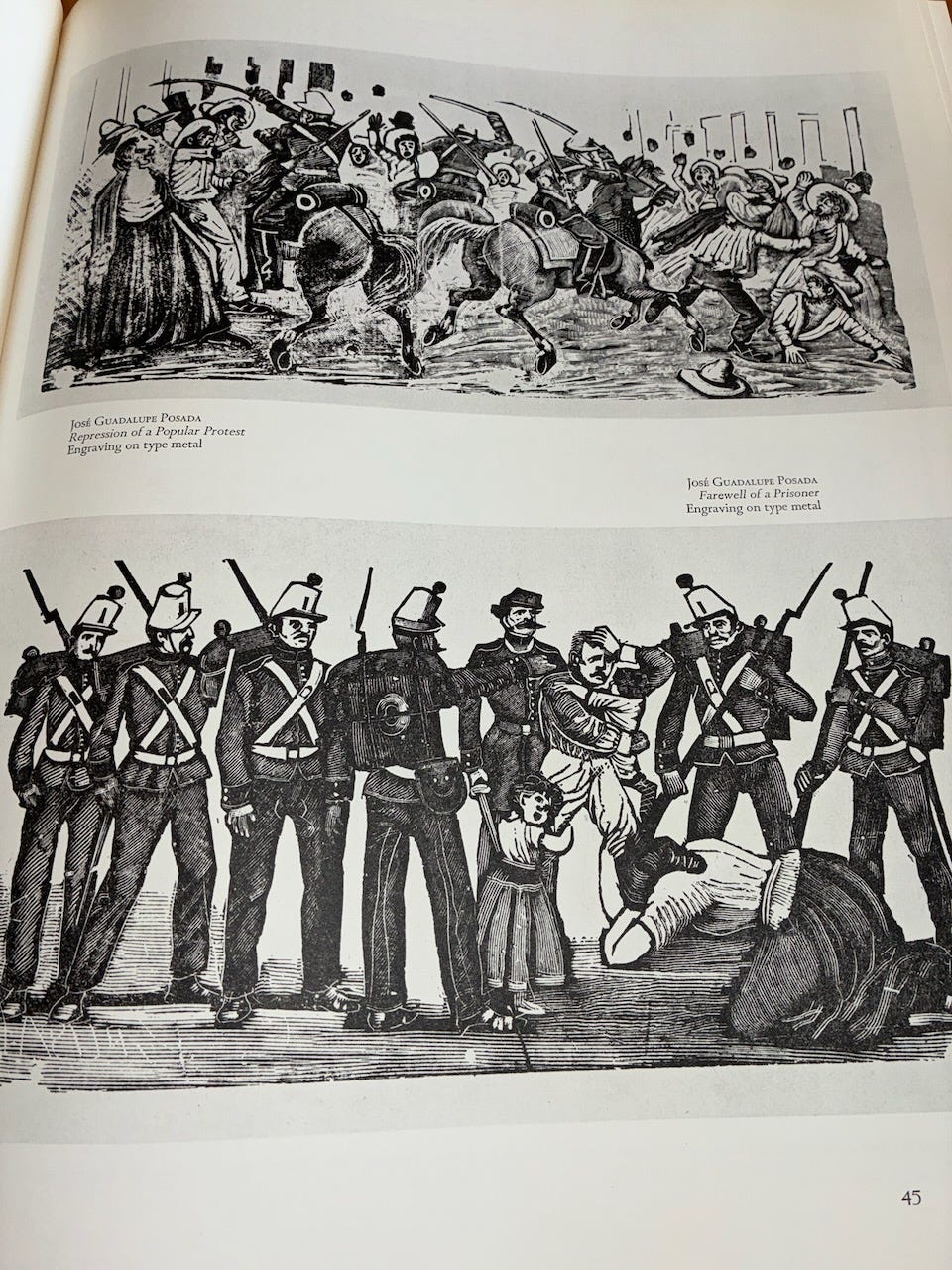
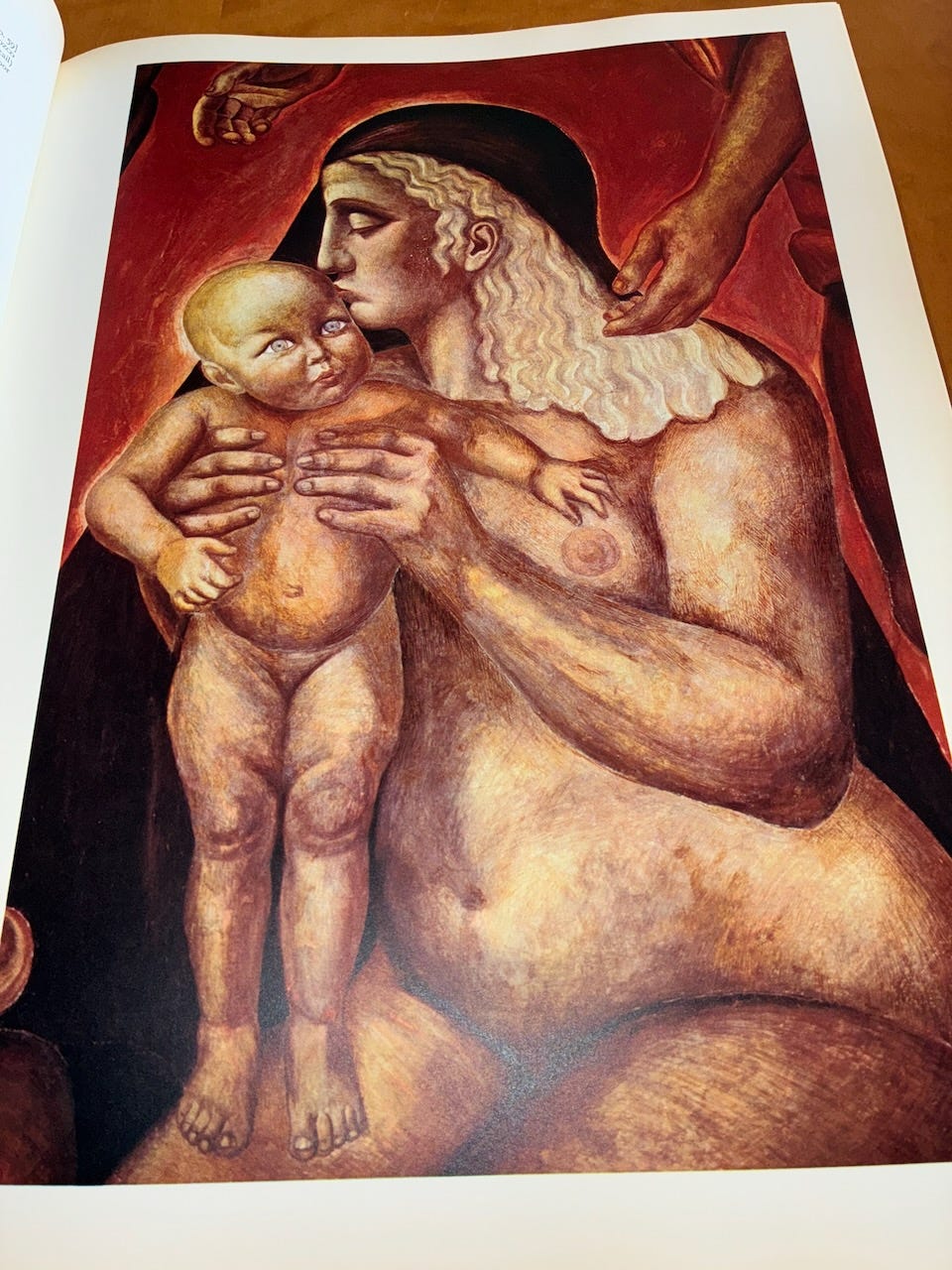
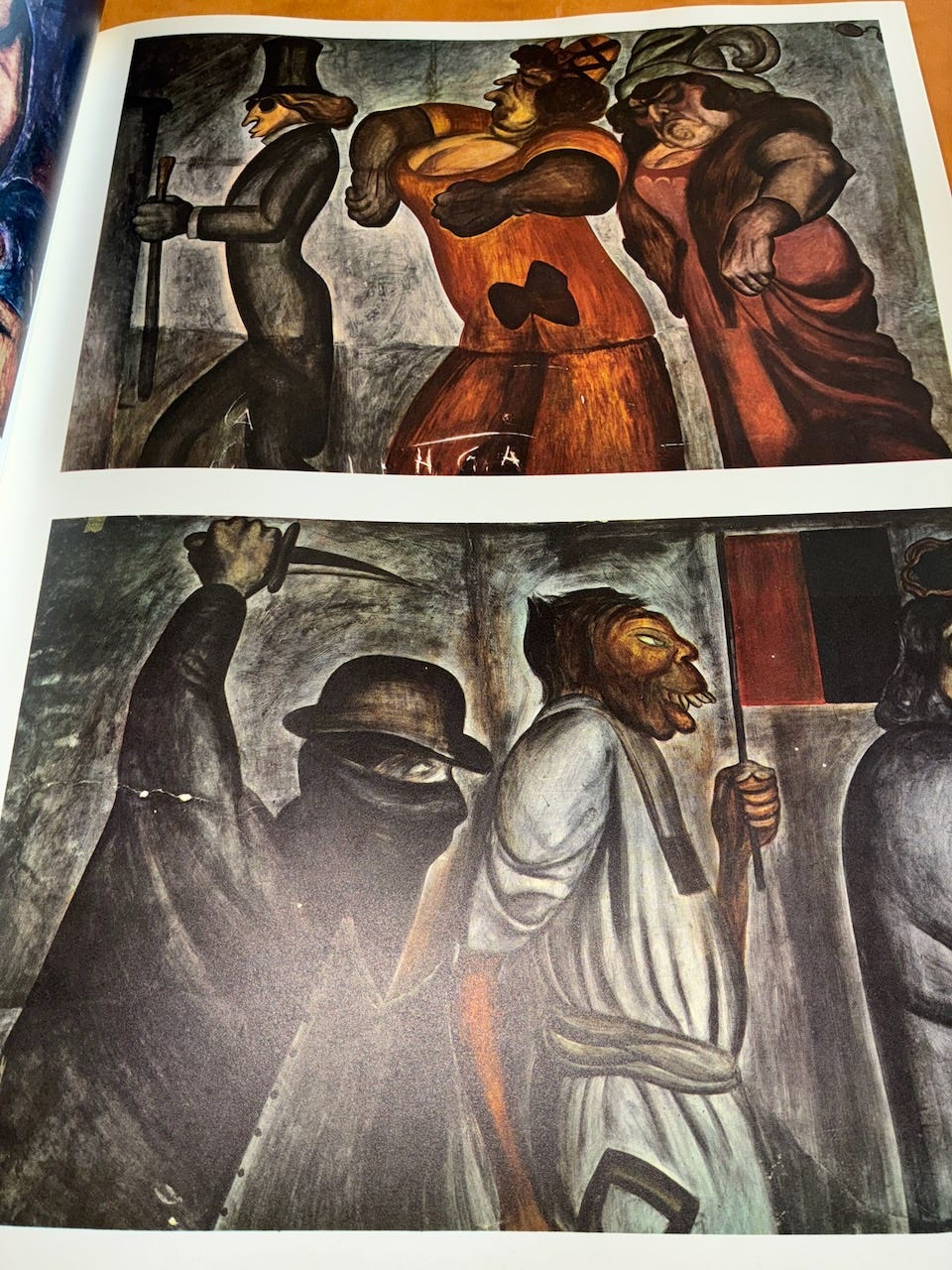
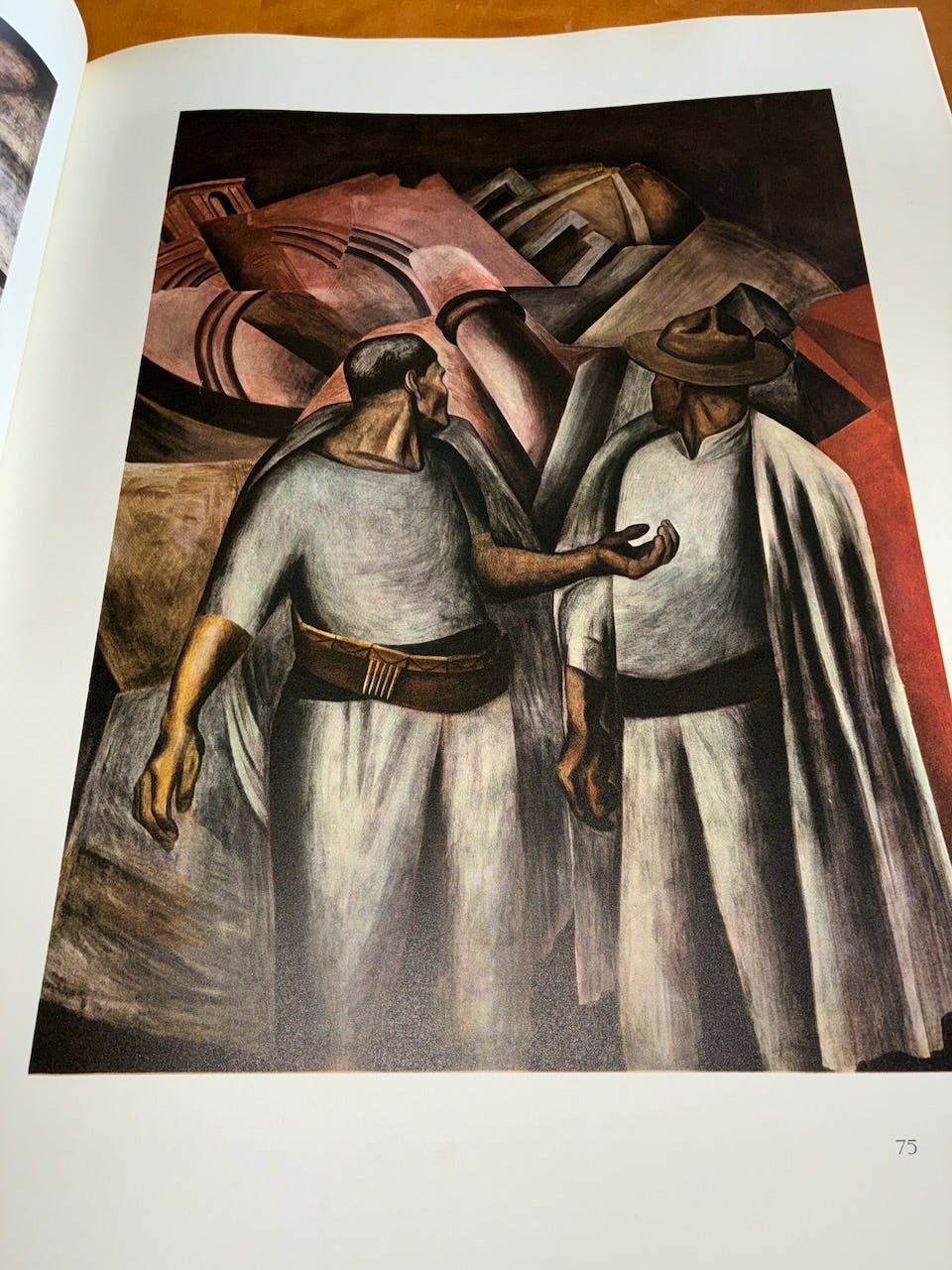
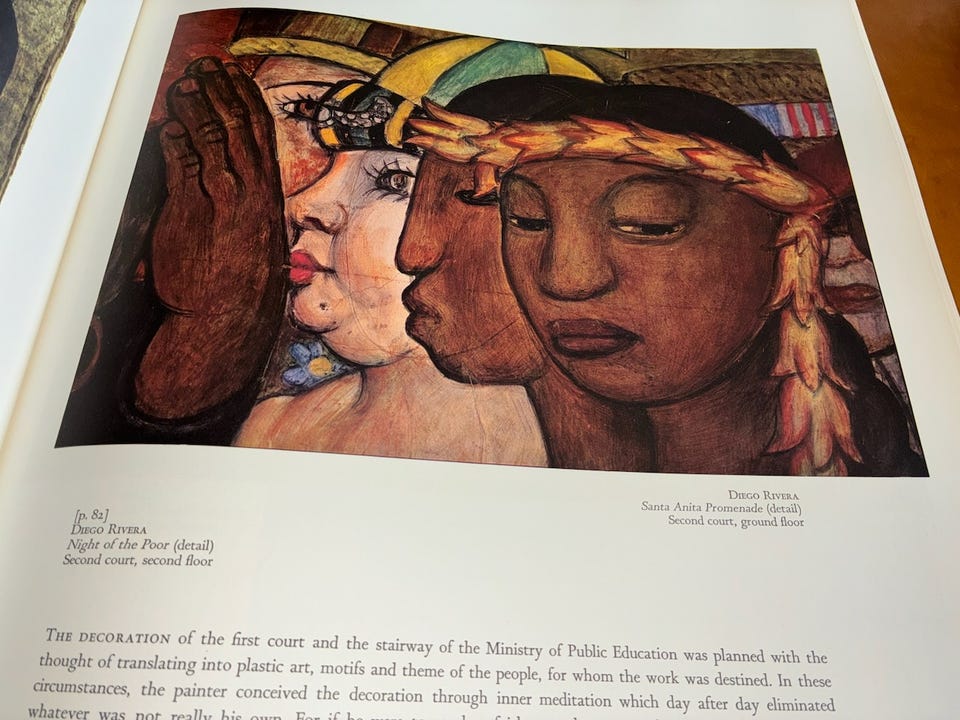
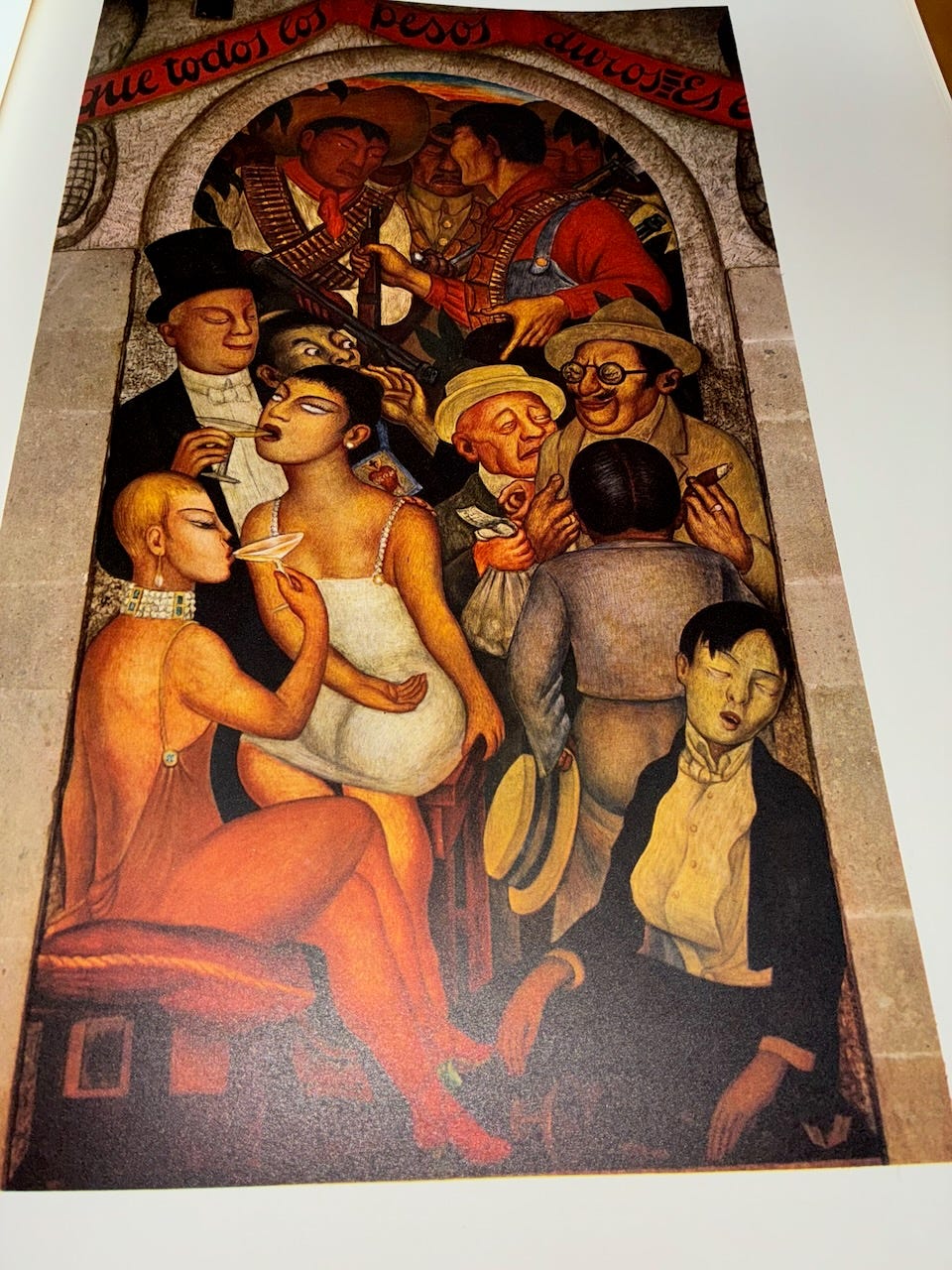
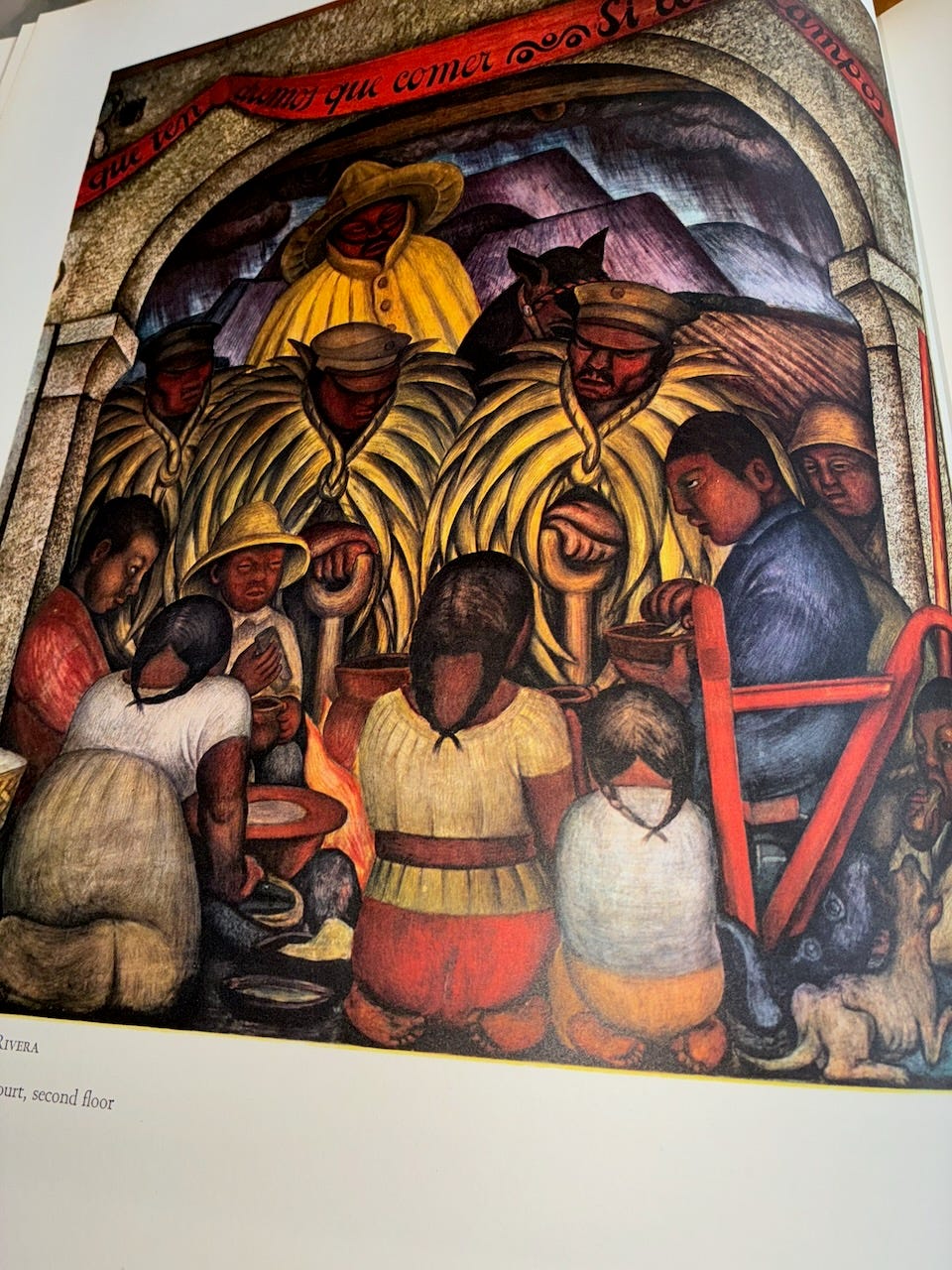
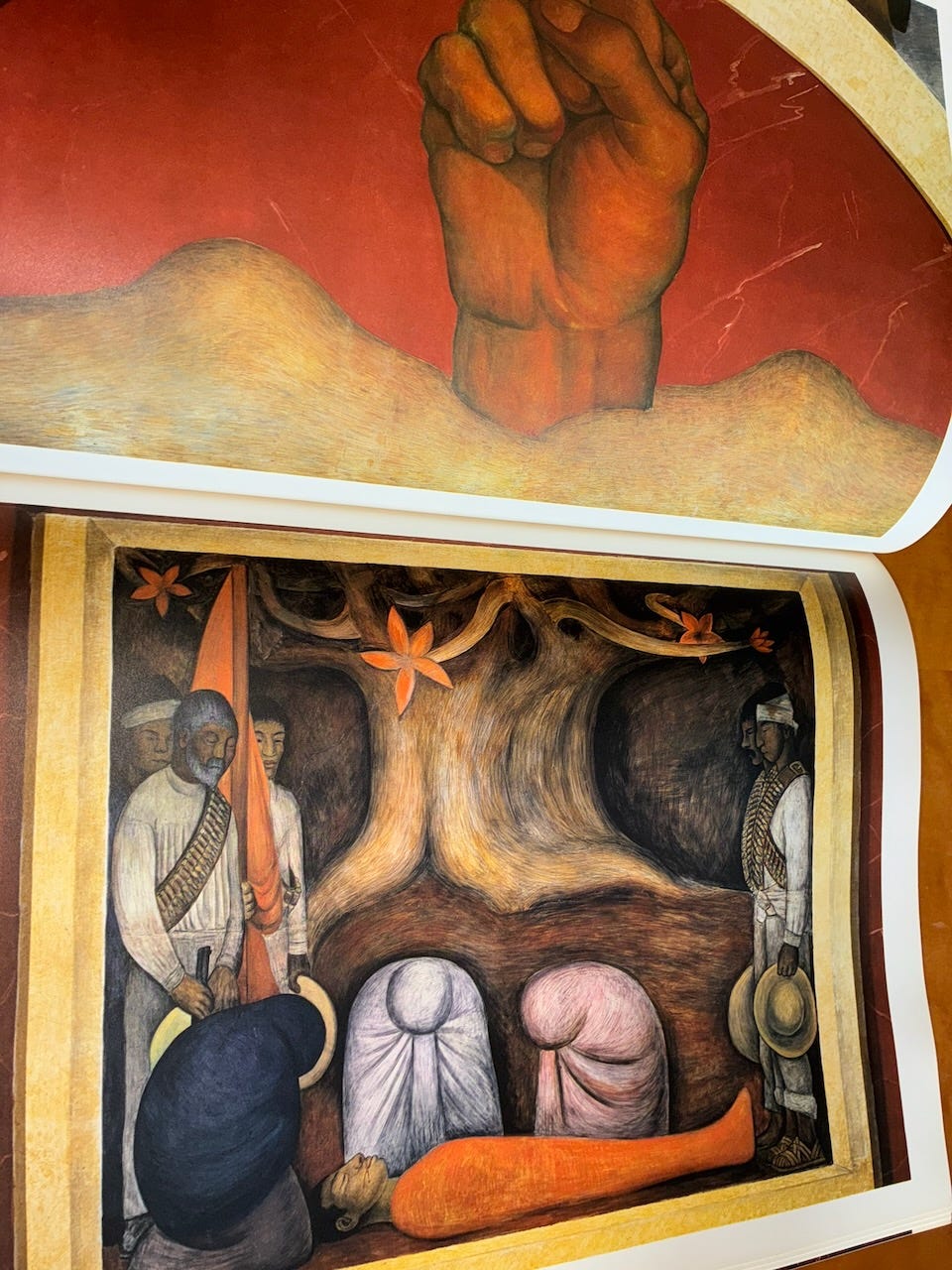
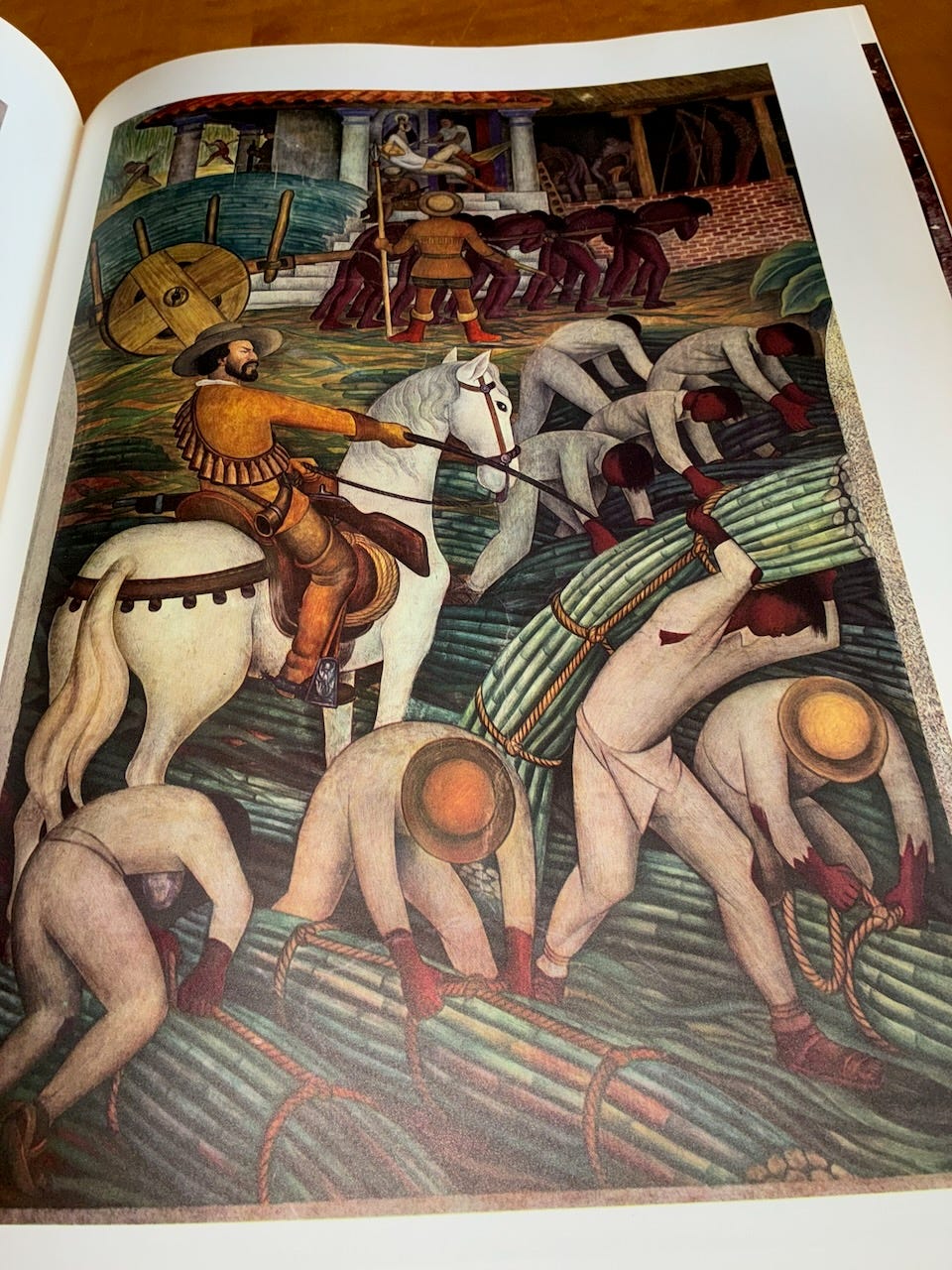
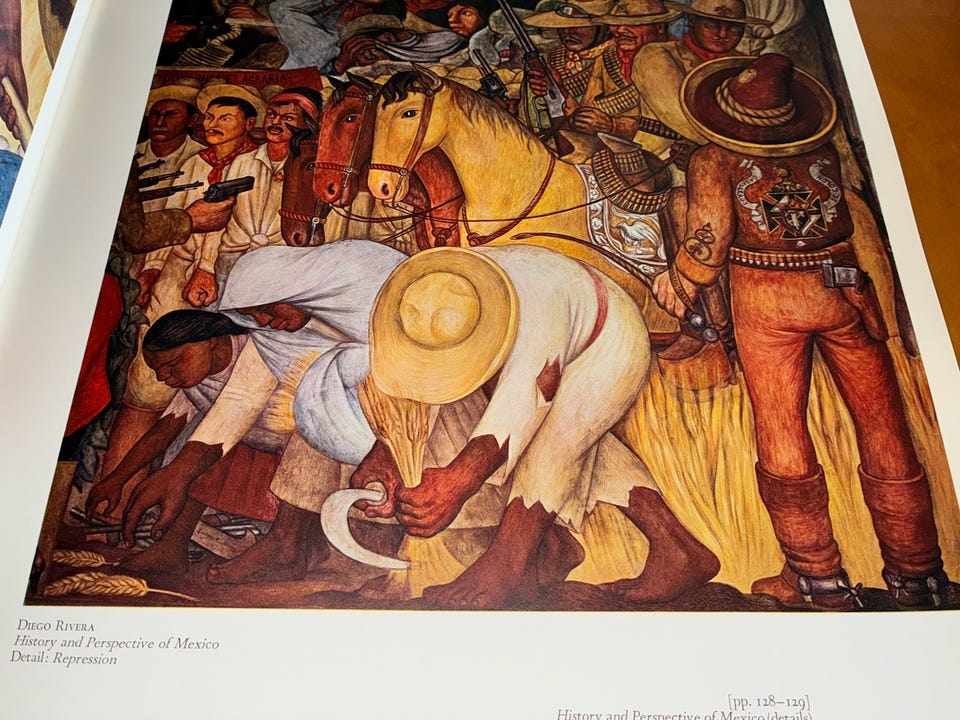
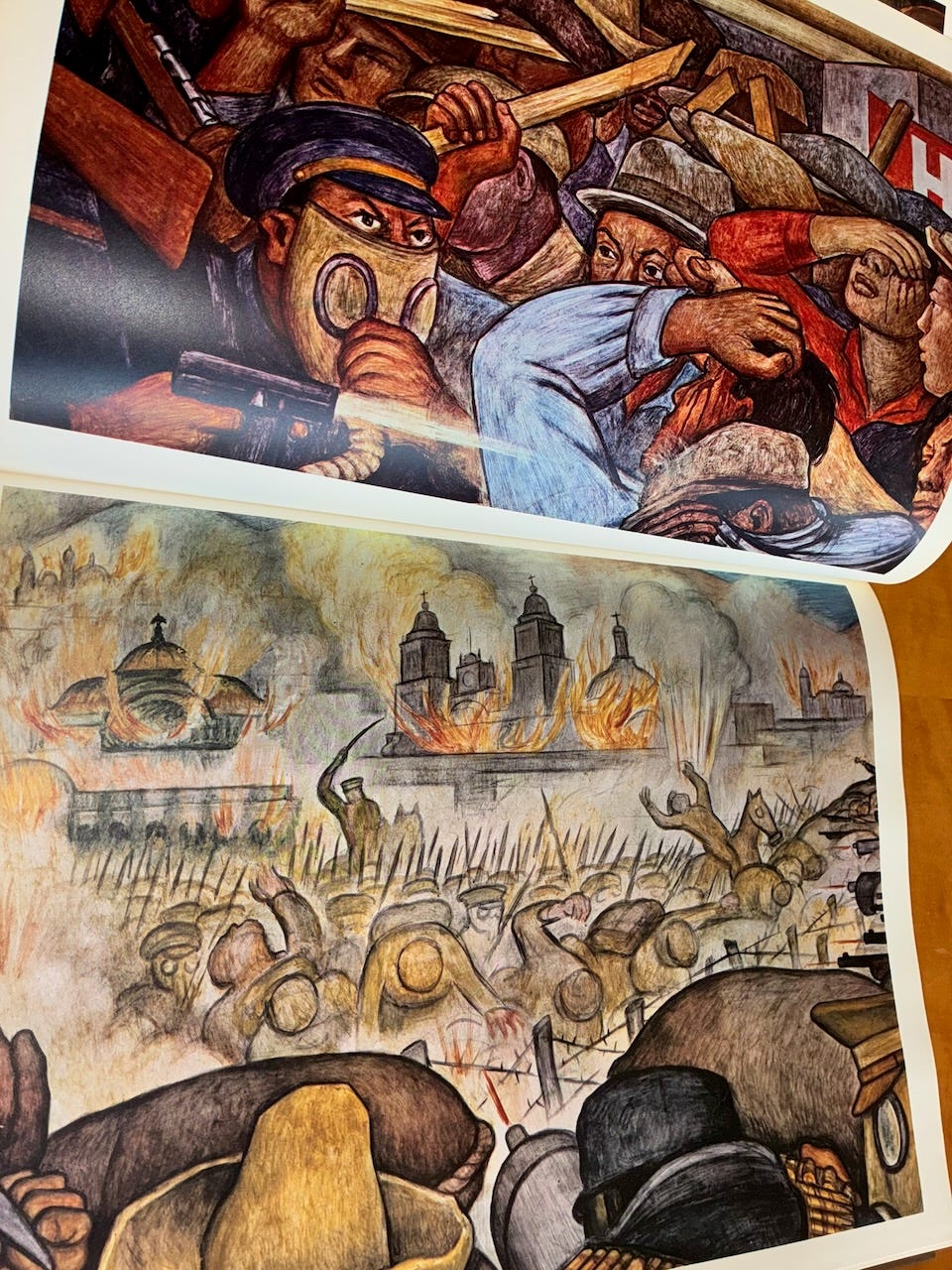
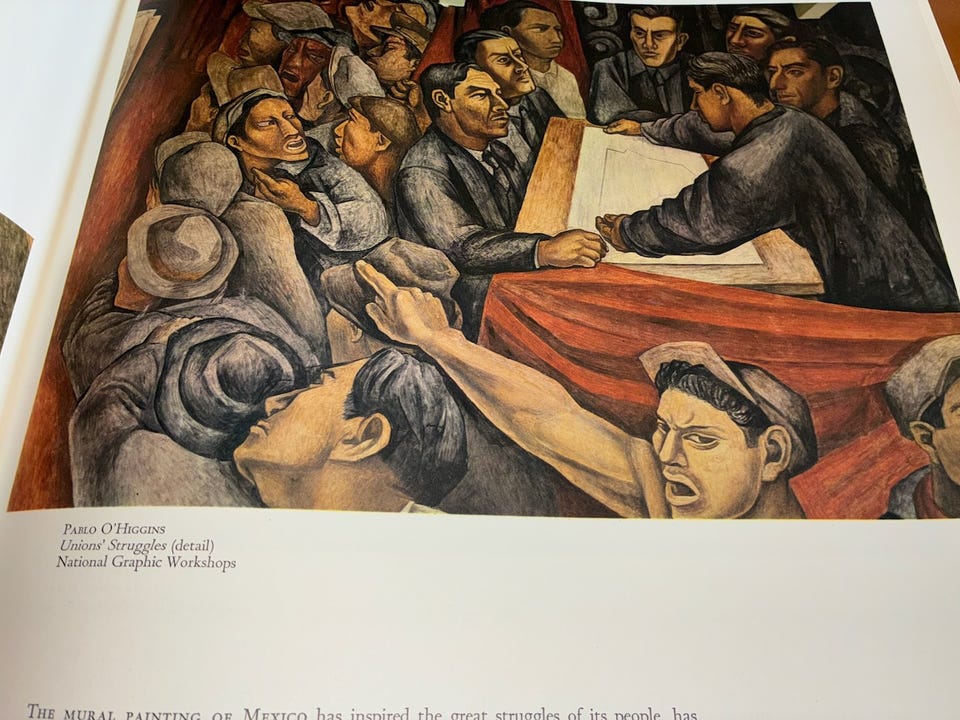
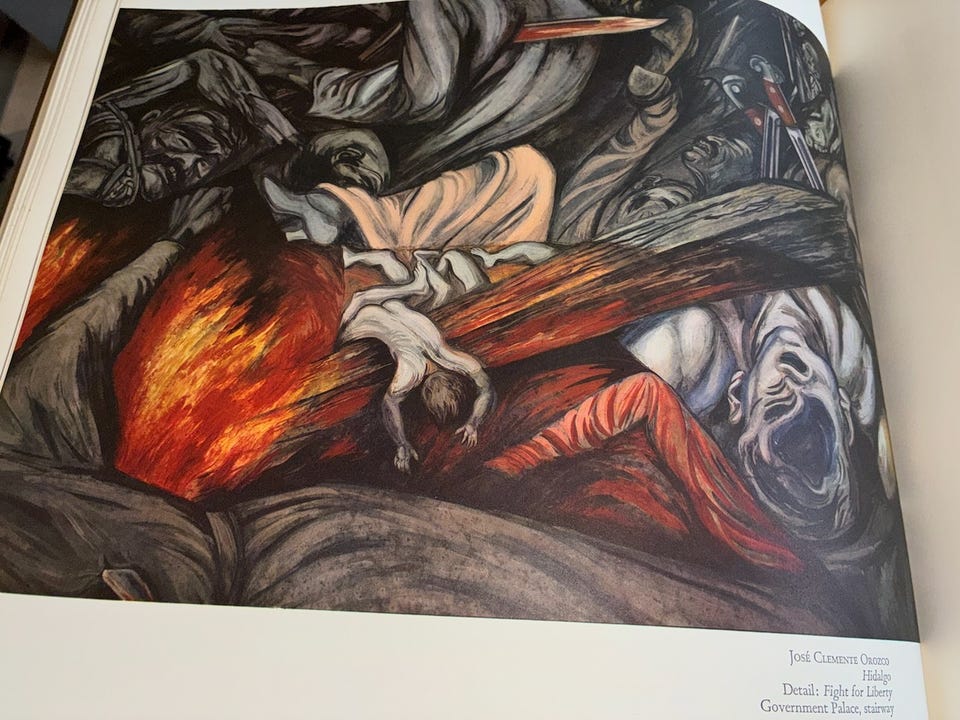
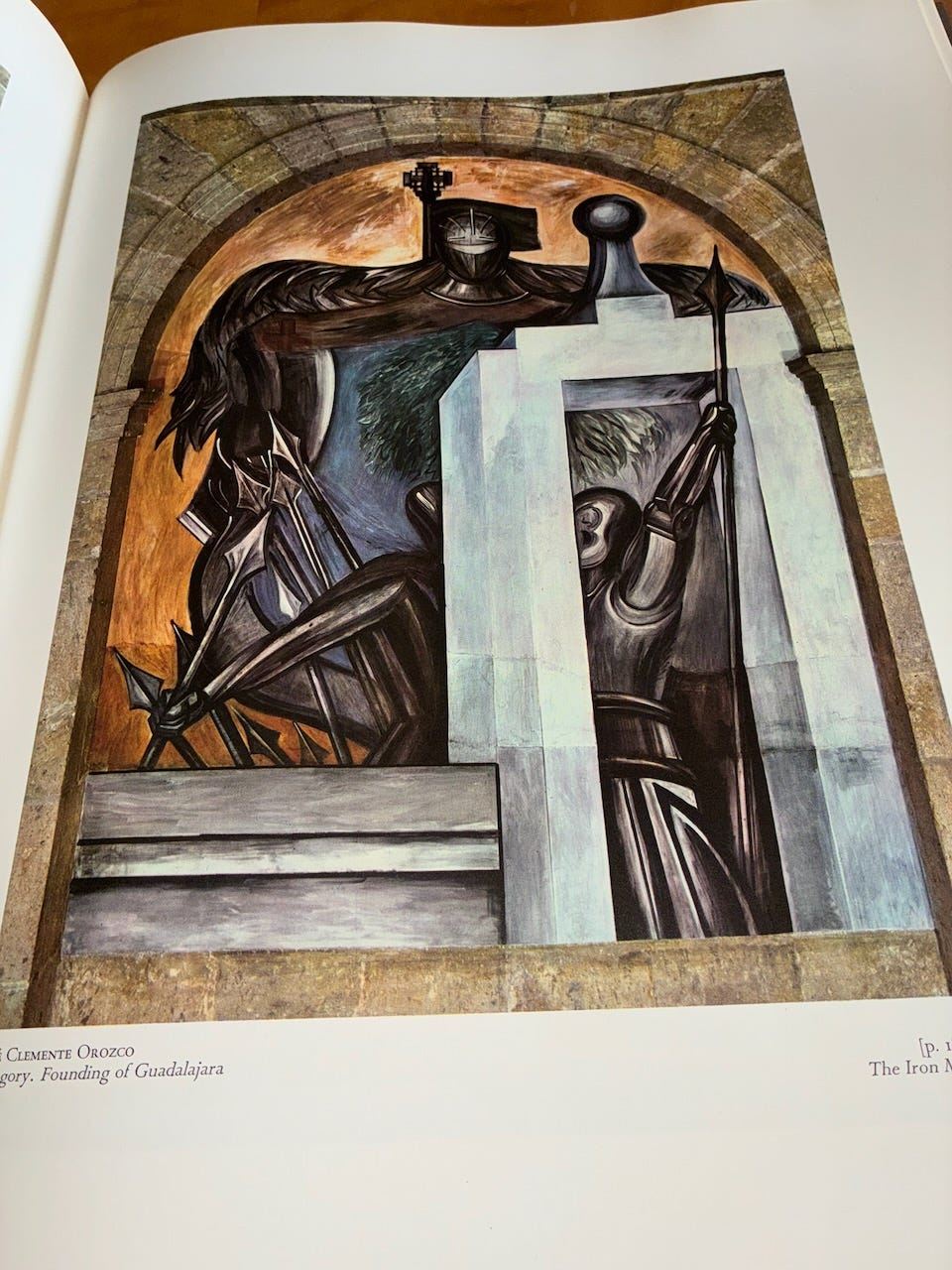
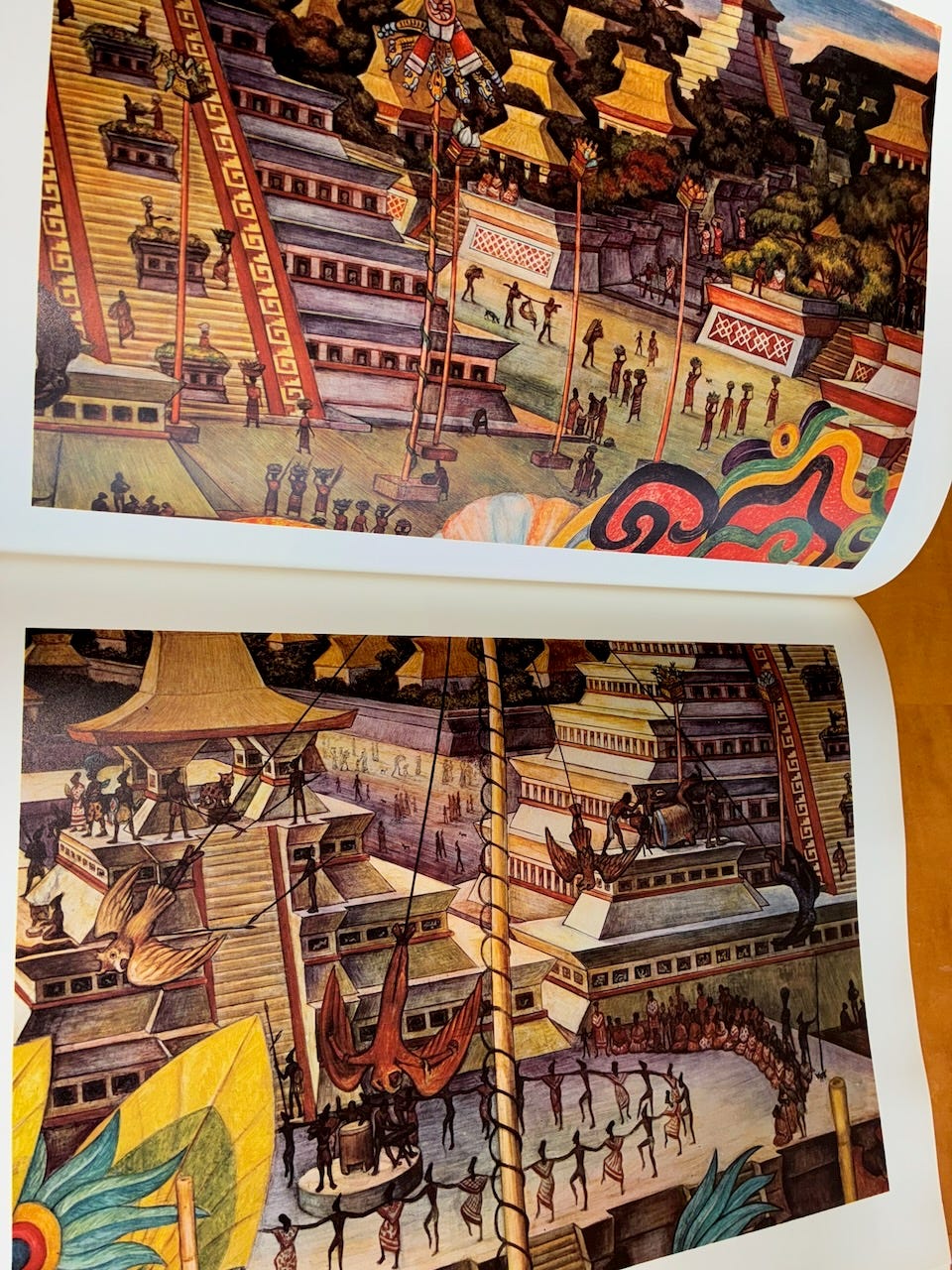
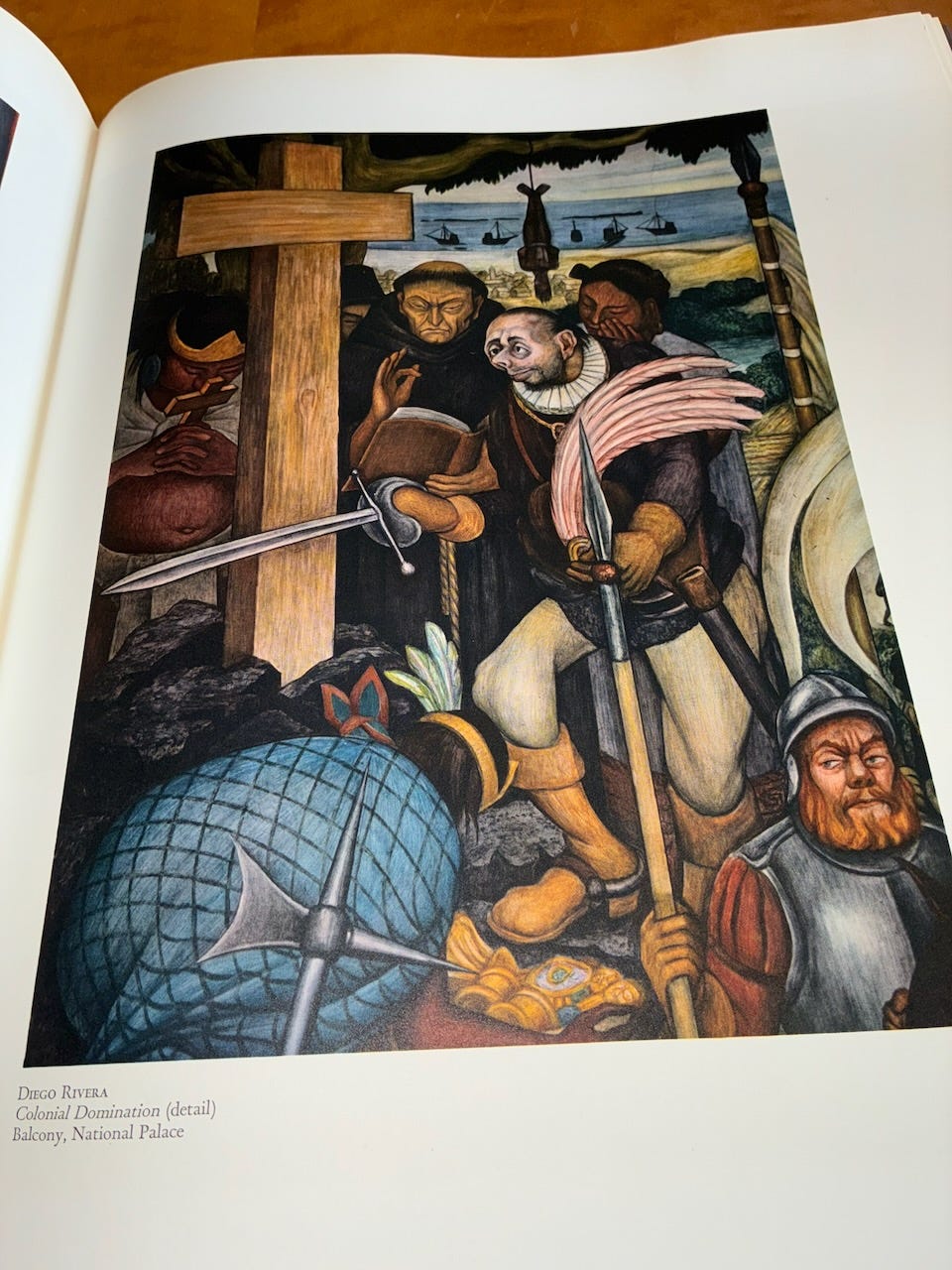
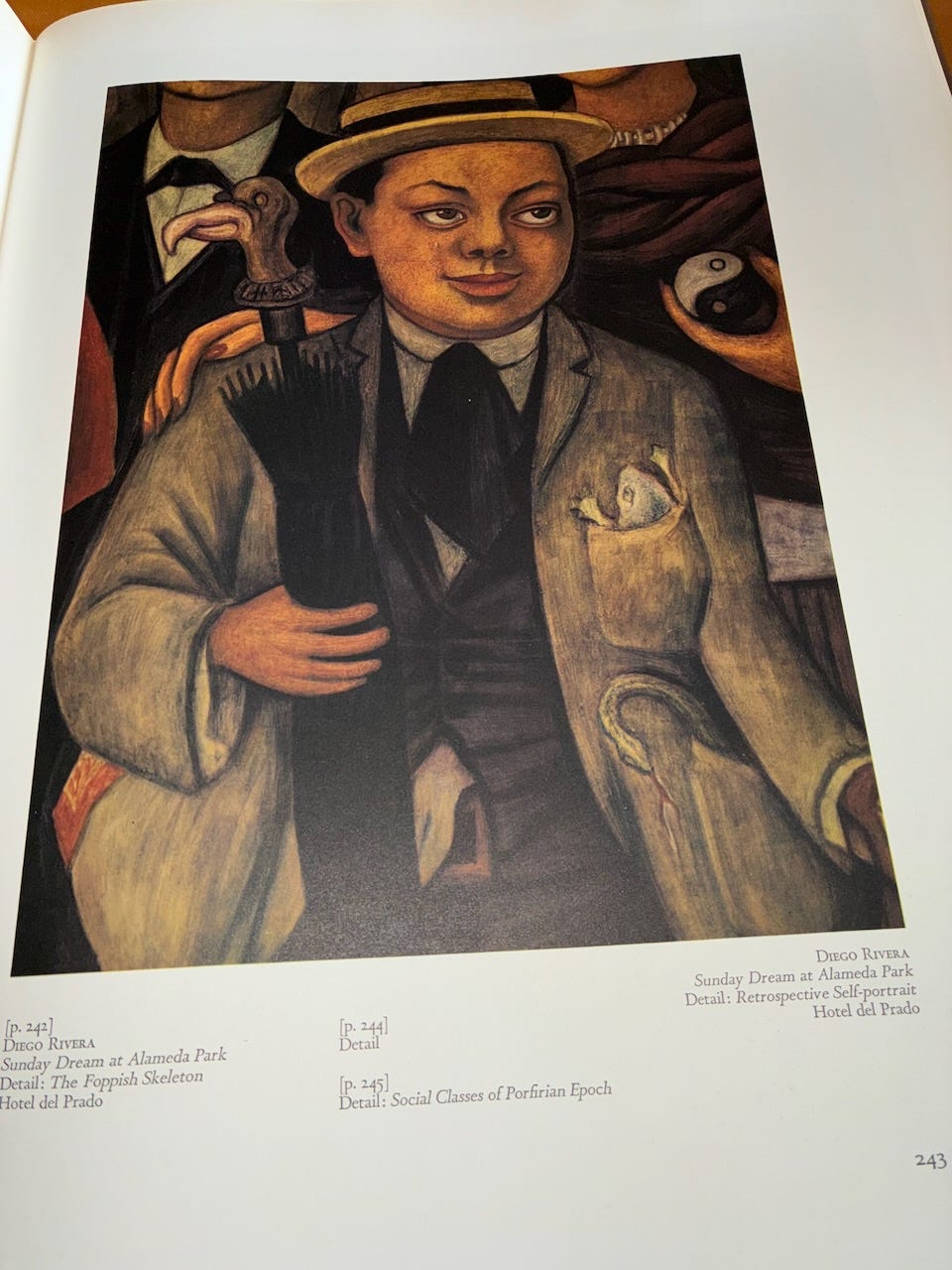
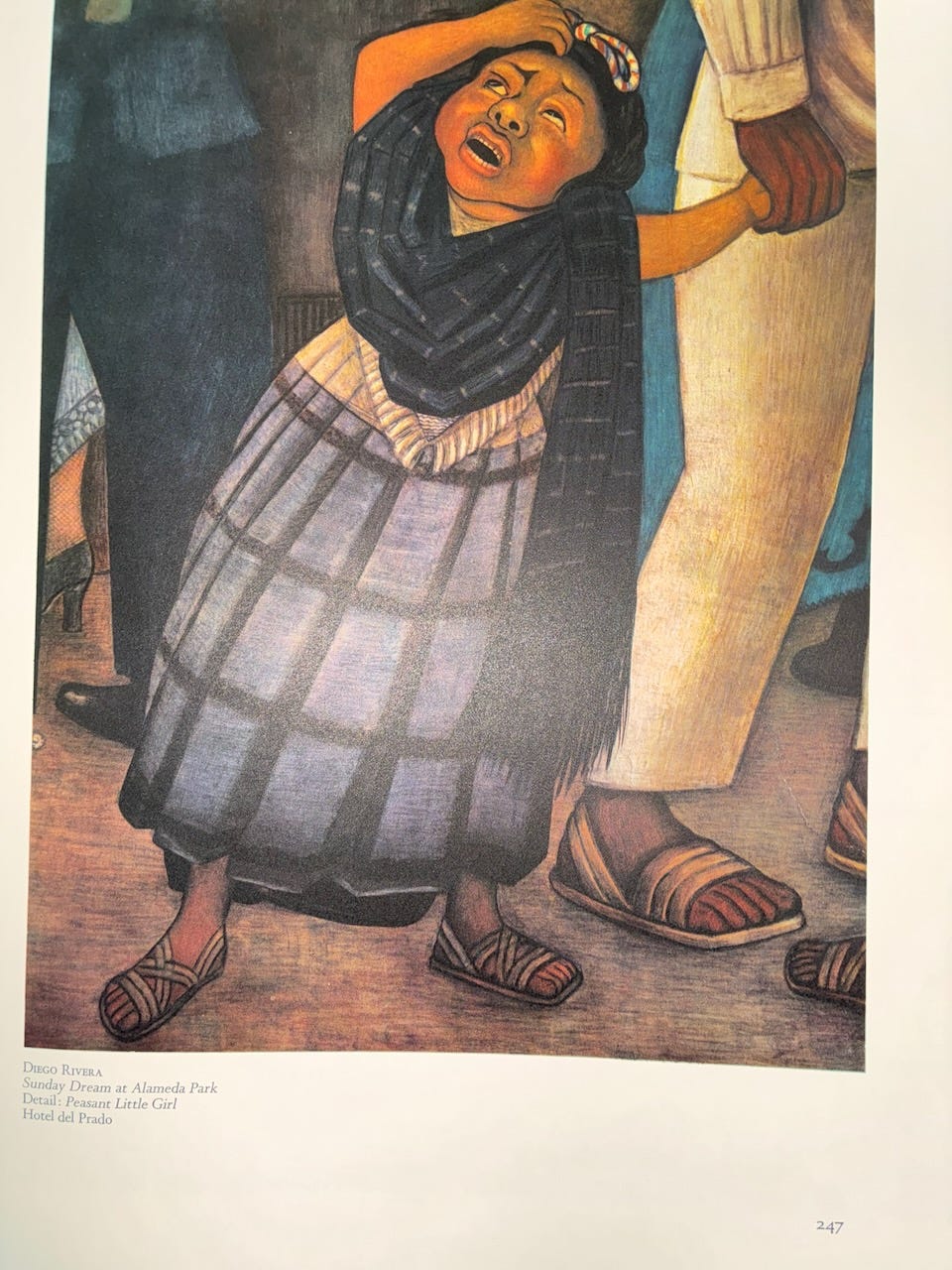
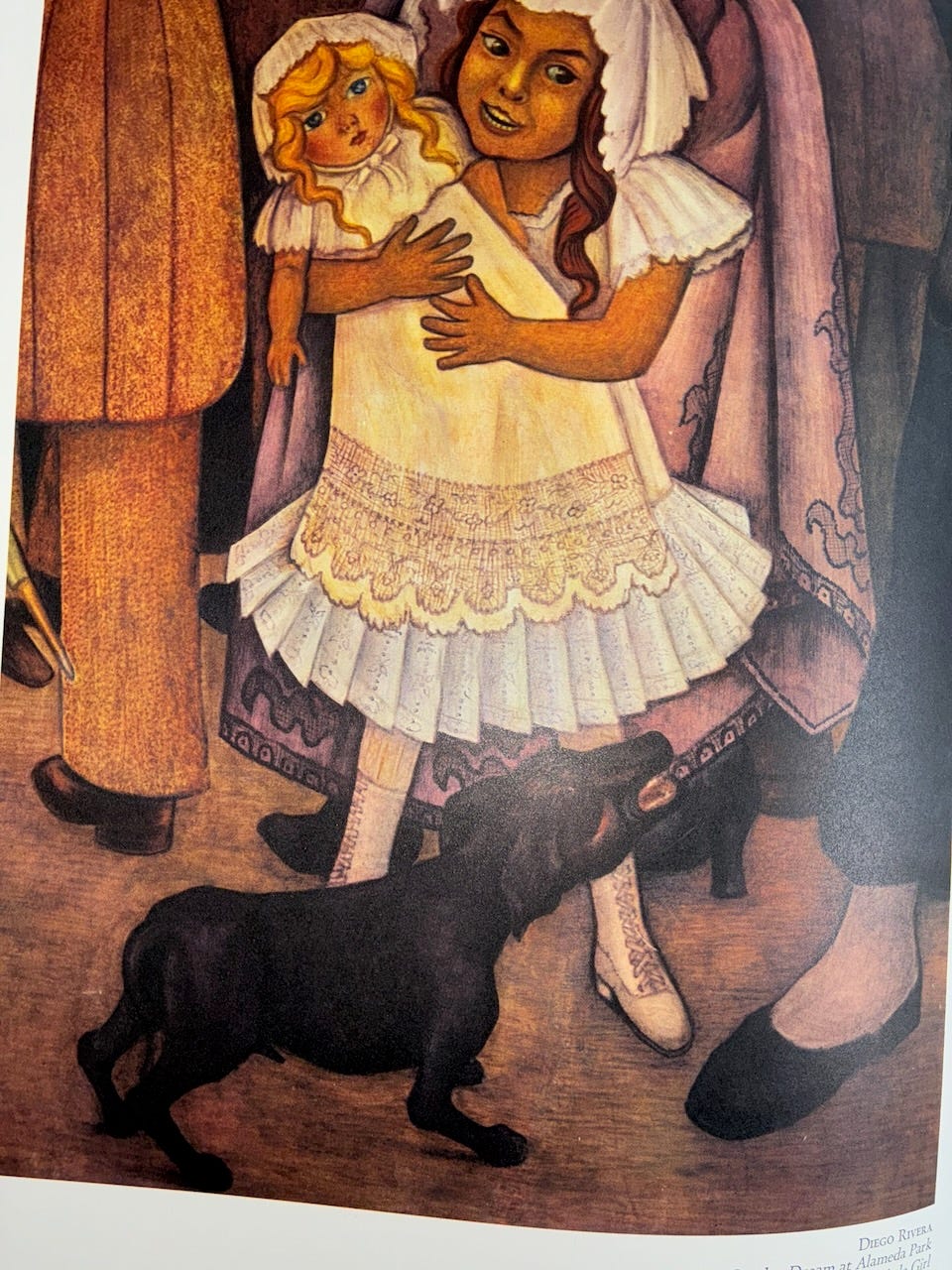
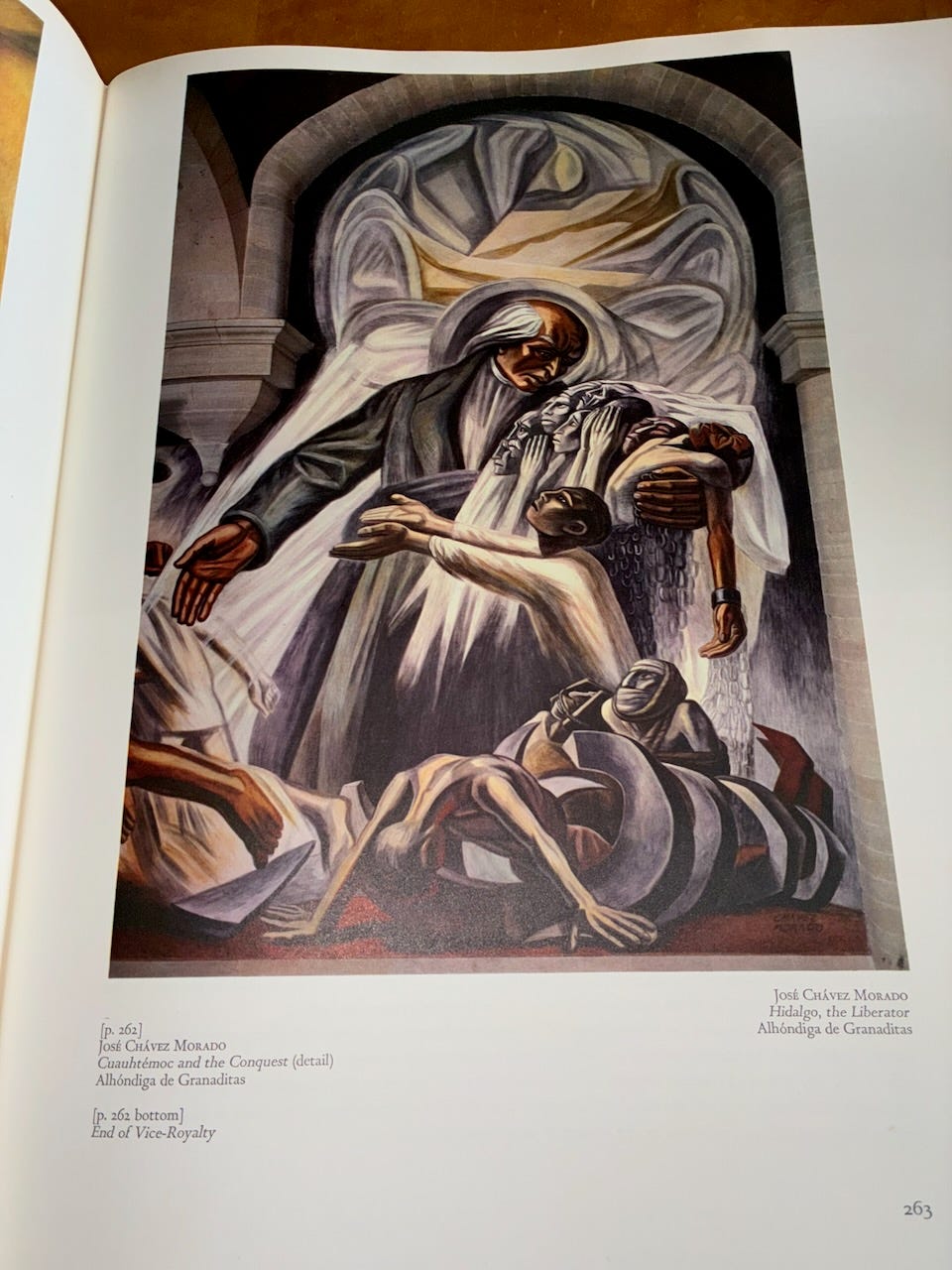
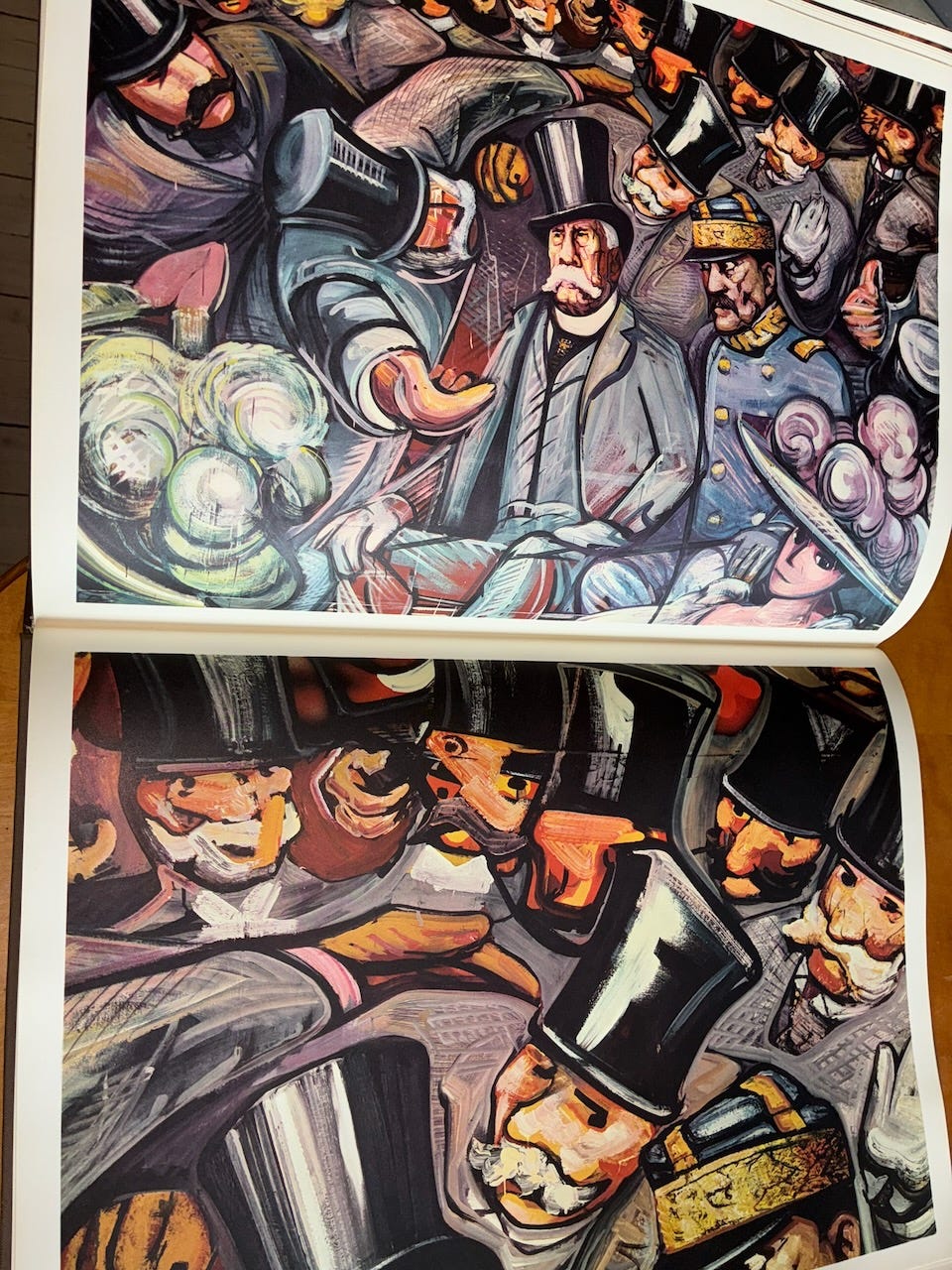

Mural Painting of the Mexican Revolution 1921-1960. Ed. Carlos Pellicer.
Til salgs
Frakt fra 119 kr + Trygg betaling 49 kr
Trygg handel med Fiks ferdig
Etter levering har du 24 timer til å se over varen. Hvis det er noe galt med varen, får du pengene dine tilbake.
Beskrivelse av varen
Tilstand: Pent brukt - I god stand
Mural Painting of the Mexican Revolution 1921-1960. Coffee Table Book. Fondo Editorial De LA Plástica Mexicana. 292 sider. Meget rikelig illustrert. Mye i farger. Originalt helsjirtingsinnbinding. Stort format. 48 cm x 35,5 cm. (19 tommer x 14 tommer).
Mural Painting of the Mexican Revolution, 1921–1960 is a comprehensive 1960 publication edited by Carlos Pellicer and published by the Fondo Editorial de la Plástica Mexicana that documents the prolific muralist movement following the Mexican Revolution. The book features hundreds of illustrations showcasing the works of major muralists such as Diego Rivera, José Clemente Orozco, and David Alfaro Siqueiros, highlighting the social, political, and historical messages of their art.
Key Aspects of the Book and Movement (1921–1960). Focus on the Revolution: The work spans the period from 1921—when post-revolutionary, government-sponsored mural projects began—to 1960.. Content and Themes: The murals often depict the violent struggle of the Mexican Revolution (1910–1920), nationalistic themes, indigenous culture, and socialist ideals.
Major Artists Documented: The collection includes work by "Los Tres Grandes" (Rivera, Orozco, Siqueiros), alongside artists like Pablo O'Higgins and Leopoldo Mendez.. Publication Details: Originally published in both English and Spanish (5,000 copies each), this folio-sized book is known for its high-quality reproductions and detailed portrayal of murals found in Mexico City and surrounding areas.
The mural movement was crucial in redefining Mexican art by moving away from European styles toward a distinctly national, public-facing art form that celebrated the country's indigenous roots and revolutionary history.
The Mexican Revolution (Spanish: Revolución mexicana) was an extended sequence of armed regional conflicts in Mexico from 20 November 1910 to 1 December 1920.[6][7][8] It has been called "the defining event of modern Mexican history".[9] It saw the destruction of the Federal Army, its replacement by a revolutionary army,[10] and the transformation of Mexican culture and government. The northern Constitutionalist faction prevailed on the battlefield and drafted the present-day Constitution of Mexico, which aimed to create a strong central government. Revolutionary generals held power from 1920 to 1940.[8][11] The revolutionary conflict was primarily a civil war, but foreign powers, having important economic and strategic interests in Mexico, figured in the outcome of Mexico's power struggles; the U.S. involvement was particularly high.[12][13] The conflict led to the deaths of around one million people, mostly non-combatants.
Although the decades-long regime of President Porfirio Díaz (1876–1911) was increasingly unpopular, there was no foreboding in 1910 that a revolution was about to break out.[12] The aging Díaz failed to find a controlled solution to presidential succession, resulting in a power struggle among competing elites and the middle classes, which occurred during a period of intense labor unrest, exemplified by the Cananea and Río Blanco strikes.[14] When wealthy northern landowner Francisco I. Madero challenged Díaz in the 1910 presidential election and Díaz jailed him, Madero called for an armed uprising against Díaz in the Plan of San Luis Potosí. Rebellions broke out first in Morelos (immediately south of the nation's capital city) and then to a much greater extent in northern Mexico. The Federal Army could not suppress the widespread uprisings, showing the military's weakness and encouraging the rebels.[15] Díaz resigned in May 1911 and went into exile, an interim government was installed until elections could be held, the Federal Army was retained, and revolutionary forces demobilized. The first phase of the Revolution was relatively bloodless and short-lived.
Madero was elected President, taking office in November 1911. He immediately faced the armed rebellion of Emiliano Zapata in Morelos, where peasants demanded rapid action on agrarian reform. Politically inexperienced, Madero's government was fragile, and further regional rebellions broke out. In February 1913, prominent army generals from the former Díaz regime staged a coup d'etat in Mexico City, forcing Madero and Vice President Pino Suárez to resign. Days later, both men were assassinated by orders of the new President, Victoriano Huerta. This initiated a new and bloody phase of the Revolution, as a coalition of northerners opposed to the counter-revolutionary regime of Huerta, the Constitutionalist Army led by the Governor of Coahuila Venustiano Carranza, entered the conflict. Zapata's forces continued their armed rebellion in Morelos. Huerta's regime lasted from February 1913 to July 1914, and the Federal Army was defeated by revolutionary armies. The revolutionary armies then fought each other, with the Constitutionalist faction under Carranza defeating the army of former ally Francisco "Pancho" Villa by the summer of 1915.
Carranza consolidated power and a new constitution was promulgated in February 1917. The Mexican Constitution of 1917 established universal male suffrage, promoted secularism, workers' rights, economic nationalism, and land reform, and enhanced the power of the federal government.[16] Carranza became President of Mexico in 1917, serving a term ending in 1920. He attempted to impose a civilian successor, prompting northern revolutionary generals to rebel. Carranza fled Mexico City and was killed. From 1920 to 1940, revolutionary generals held the office of president, each completing their terms (except from 1928-1934). This was a period when state power became more centralized, and revolutionary reform implemented, bringing the military under the civilian government's control.[17] The Revolution was a decade-long civil war, with new political leadership that gained power and legitimacy through their participation in revolutionary conflicts. The political party those leaders founded in 1929, which would become the Institutional Revolutionary Party (PRI), ruled Mexico until the presidential election of 2000. When the Revolution ended is not well defined, and even the conservative winner of the 2000 election, Vicente Fox, contended his election was heir to the 1910 democratic election of Francisco Madero, thereby claiming the heritage and legitimacy of the Revolution.[18]
Alt dette fra: https://en.wikipedia.org/wiki/Mexican_Revolution
Brukerprofil

Du må være logget inn for å se brukerprofiler og sende meldinger.
Logg innAnnonsens metadata
Sist endret: 28.5.2026 kl. 15:50 ・ FINN-kode: 457783497