Bildegalleri
LUX IN ARCANA (lys på arkivene)
(1/16)
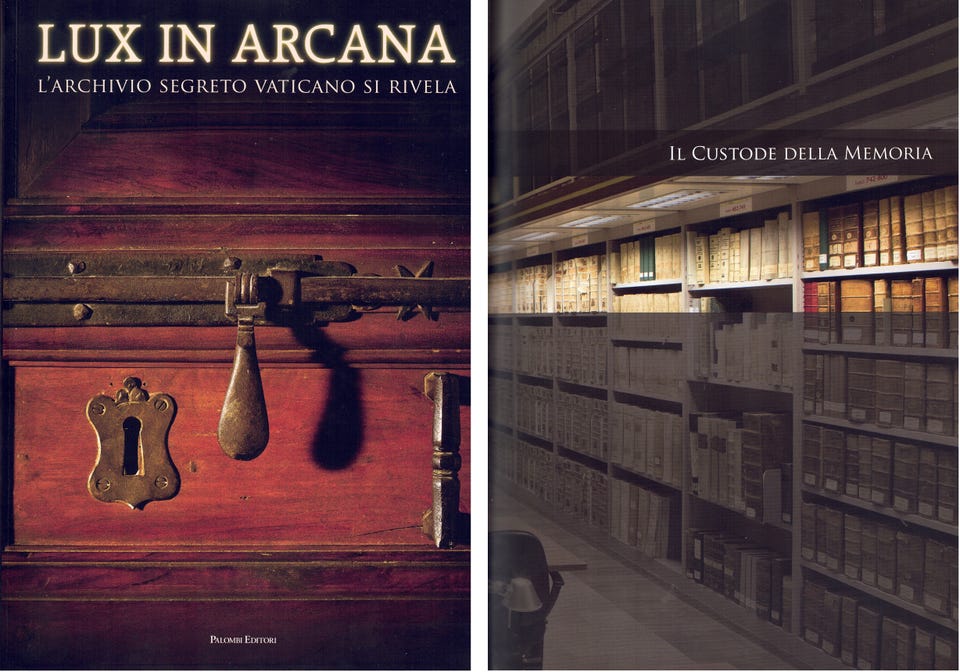
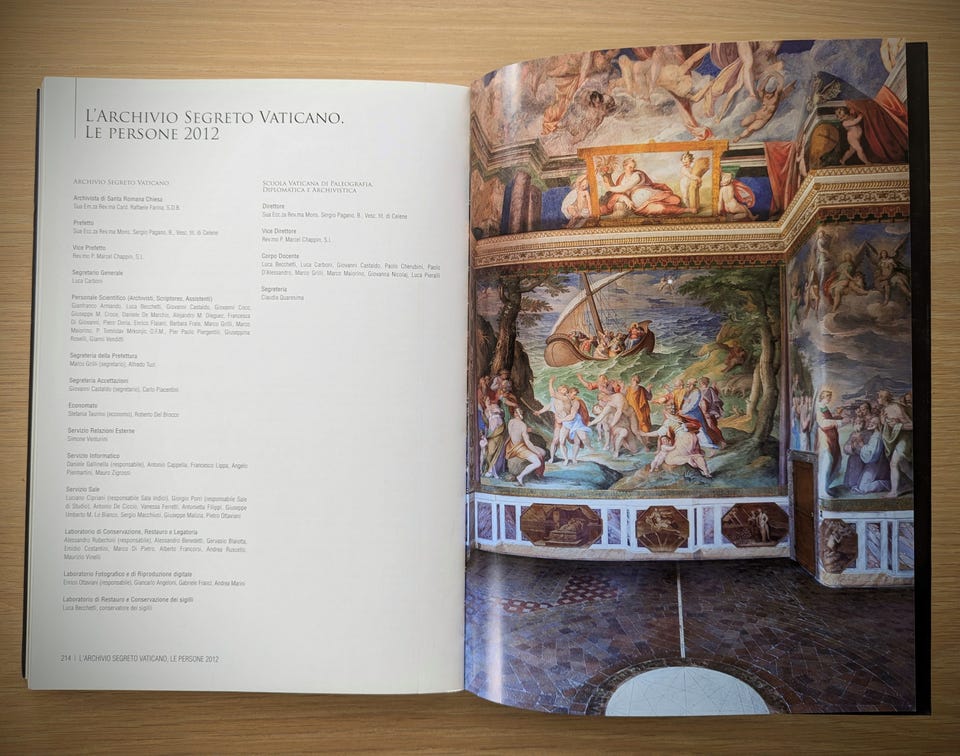
albumet LUX IN ARCANA (lys på arkivene) fra Vatikanets hemmelige arkiv
Til salgs
Fiks ferdig
50 kr
Frakt fra 38 kr + Trygg betaling 39 kr
Trygg handel med Fiks ferdig
Varen sendes til deg, og du har 24 timer til å inspisere den før pengene overføres til selgeren.
Beskrivelse av varen
Tilstand: Som ny - Ikke synlig brukt
En historisk utstilling fant sted i Kapitolmuseene i anledning av 400-års jubileum for de hemmelige Vatikan-arkivene.
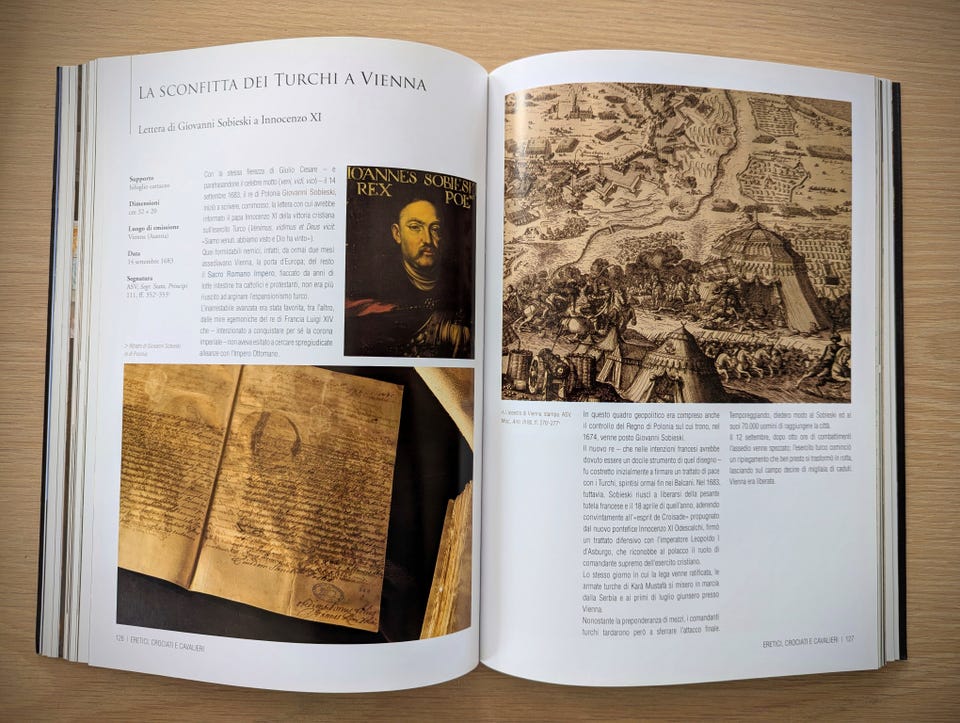
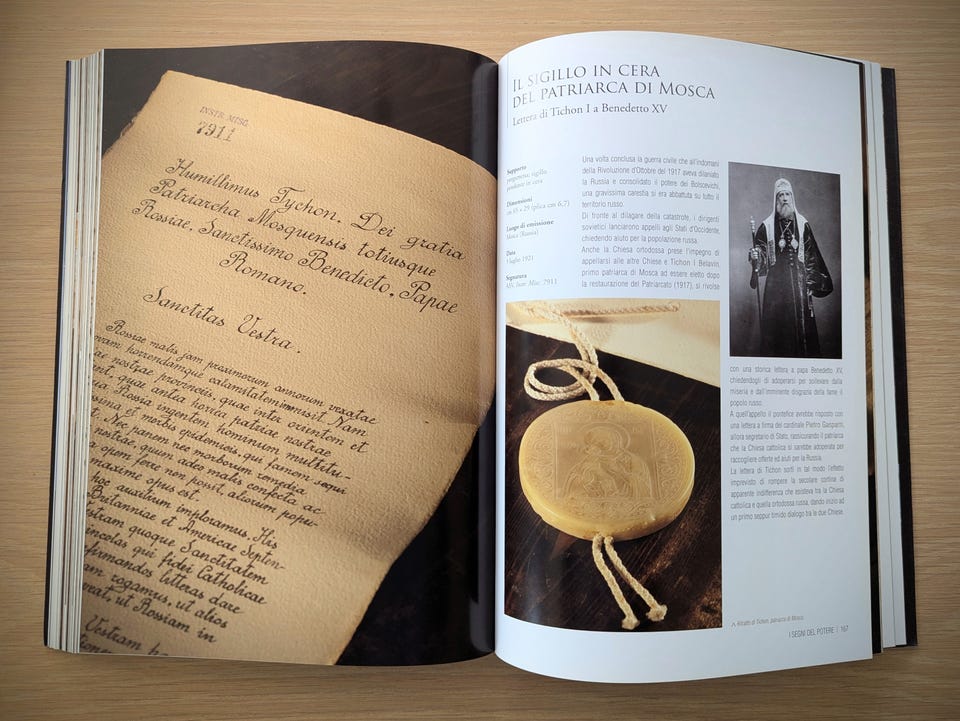
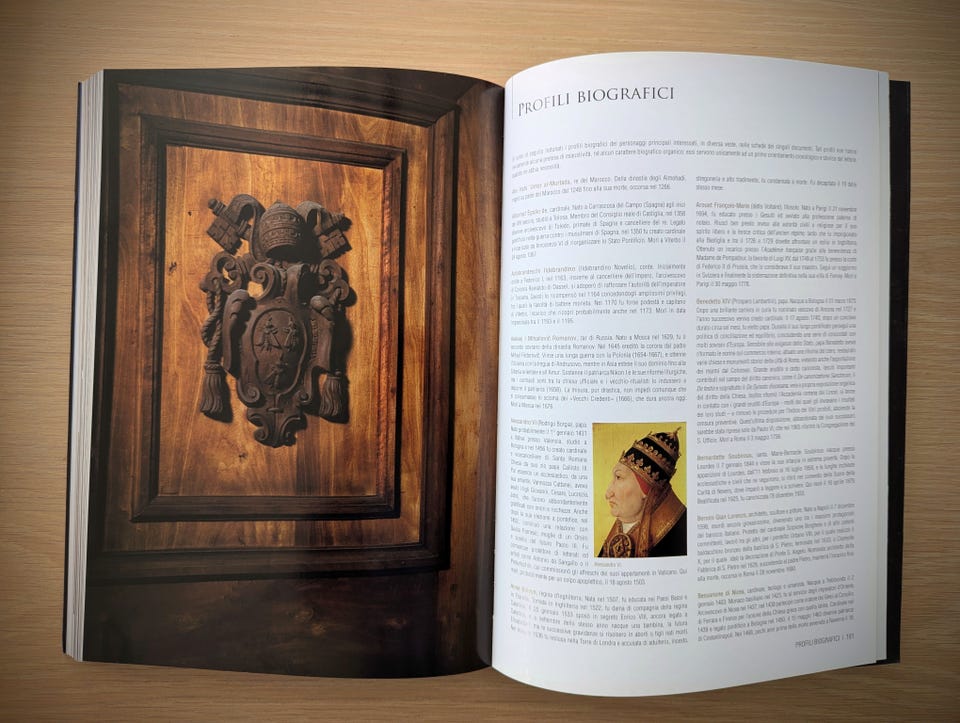
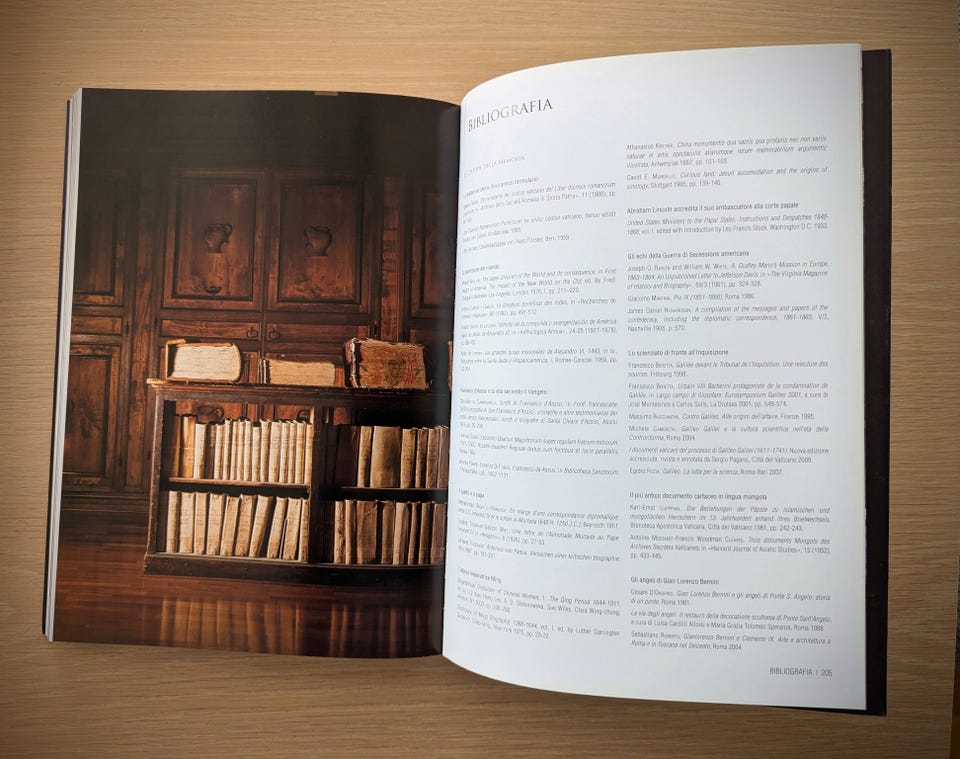
I forbindelse med utstillingen ble albumet som jeg tilbyr her laget i Roma hvor jeg kjøpte det.
Dette høykvalitets albumet er i A4-størrelse, har 220 sider og veier ca. 1,2 kg.
Det er den rikt illustrerte originalversjonen på italiensk.
Albumet kan hentes i Sandefjord eller sendes.
Jeg siterer her fra den engelskspråklige beskrivelsen på hjemmesiden til Musei Capitolini:
"Lux in arcana - The Vatican Secret Archive reveals itself.
For the first and possibly only time in history, one hundred original and priceless documents selected among the treasures preserved and cherished by the Vatican Secret Archives for centuries leave the Vatican City walls. And they will do so in order to be housed and displayed in the beautiful halls of the Capitoline Museums in Rome.
The exhibition which is conceived for the IV Centenary of the foundation of the Vatican Secret Archives aims at explaining and describing what the Pope’s archives are and how they work and, at the same time, at making the invisible visible, thus allowing access to some of the marvels enshrined in the Vatican Secret Archives’ 85 linear kilometres of shelving; records of an extraordinary historical value, covering a time-span that stretches from the VIII to the XX century.
The name, Lux in arcana, conveys the exhibition’s main objective: the light piercing through the Archive’s innermost depths enlightens a reality which precludes a superficial knowledge and is only enjoyable by means of direct and concrete contact with the sources from the Archive, that opens the doors to the discovery of often unpublished history recounted in documents. The exhibition is enriched by multimedia installations, guided by an intriguing but rigorous historical narration, to allow the visitor to experience some famous events from the past and to “re-live” the documents, that will come to life with tales of the context and the people involved. A screen next to each showcase gives a brief description of the exhibit. Moving texts and images frame the document in its historical period and create links among various information levels, revealing the document’s unusual features and its unseen background.
Visitors can also download these contents free on Apple and Android devices and continue to discover Lux in Arcana even when you have left the exhibition. The Lux in Arcana official App - powered by Accenture - is available free of charge for Apple and Android devices. Download it before coming to the show and use it to discover more about the documents on display. Immerse yourself in history’s absorbing atmospheres and take advantage of all the contents available in the videos that accompany the documents. The exhibition’s official site - www.luxinarcana.org - is full of interesting stories about the people concerned in the documents on display, behind-the scenes facts and “curiosities” about the Vatican Secret Archives and everything that revolves around the world of ancient documents, plus a great many photos, anecdotes and the small secrets of the archivists’ profession. Moreover, it is possible to follow the exhibition’s side-events and discover curiosities and insights on the most renowned social networks and watch the official trailer on You Tube.
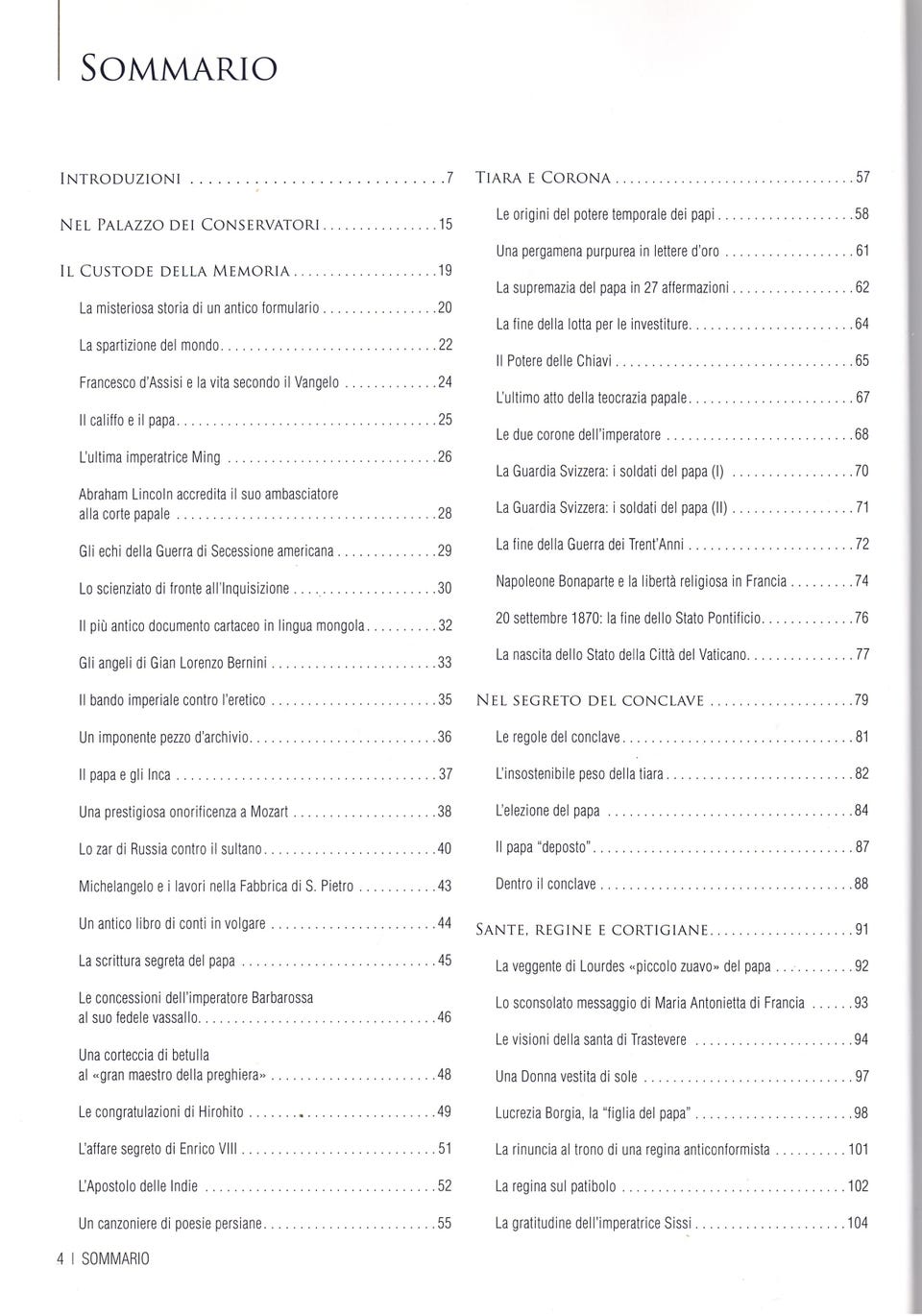
The exhibition’s layout starts in the Capitoline Museums’ splendid Hall of the Horatii and Curiatii. It hosts the section titled “The Custodian of Memory,” which describes the contents of the Vatican Secret Archives. On display here is a selection of documents representative of the types preserved in the popes’ archives: diplomas and edicts, bulls and letters, papal briefs and registers, codices, accounting ledgers and trial records, formularies and codebooks that span twelve centuries of history, from the eighth century to the twentieth. They are written on different supports (paper, silk, bark, parchment) and come from different continents (Asia, Africa, America, Europe).
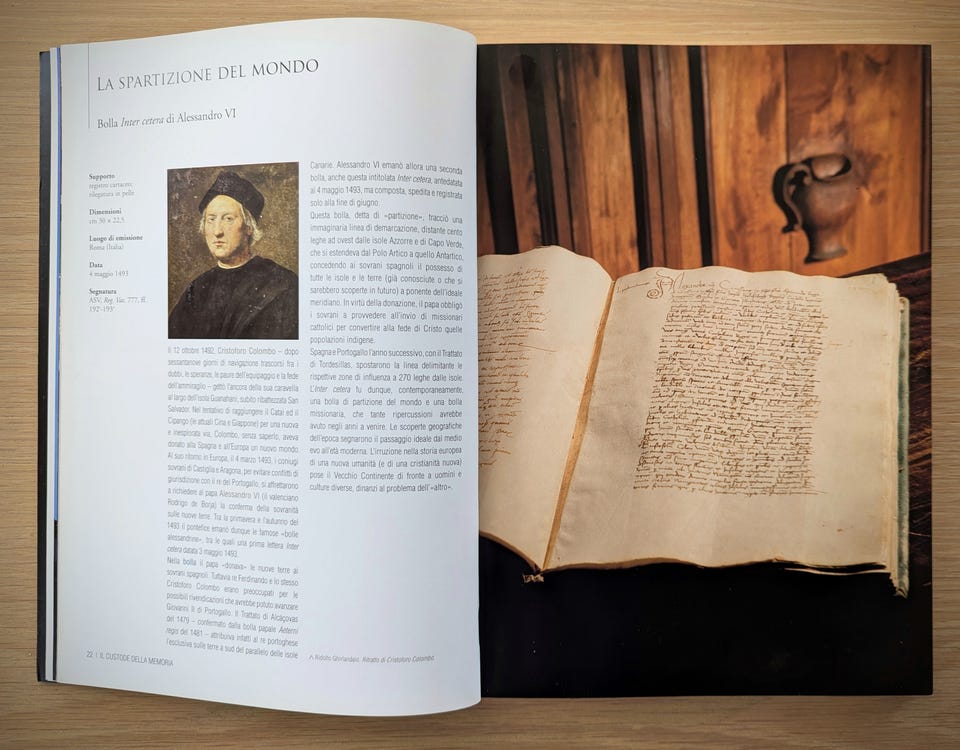
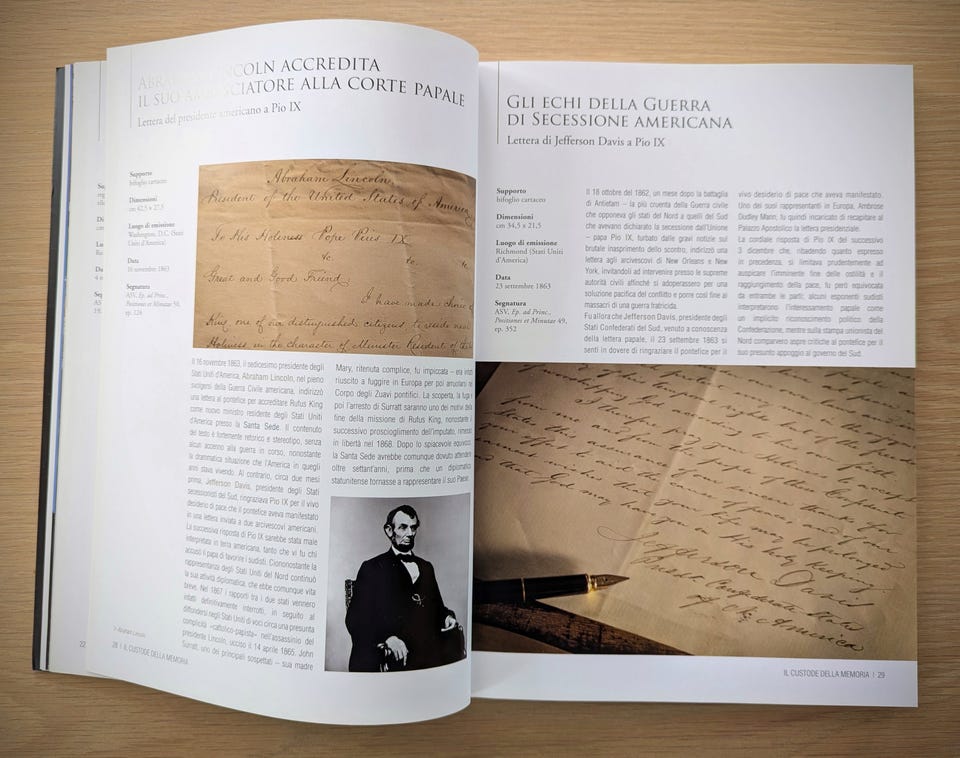
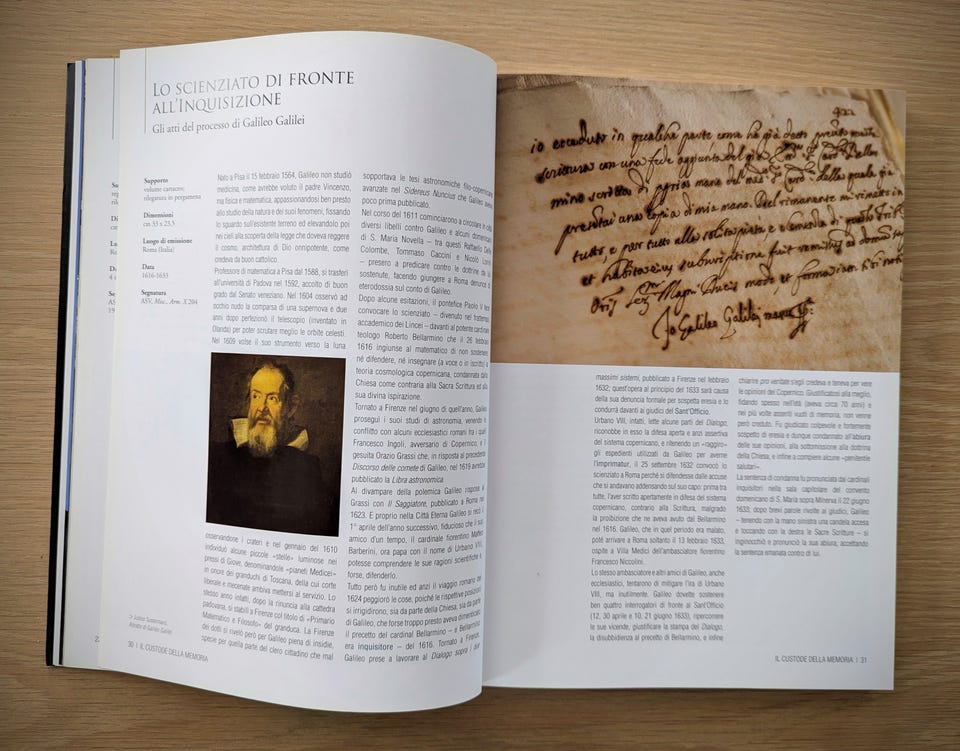
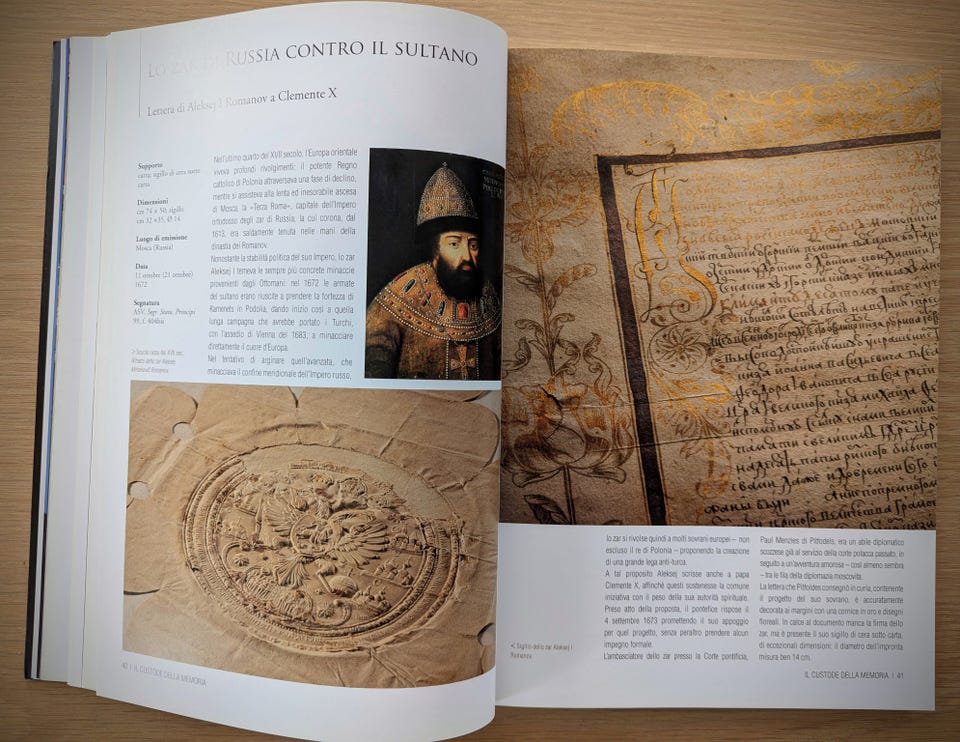
Here we can see pope Alexander VI’s bull Inter cetera, on the discovery of the New World; the registration of St. Francis’s Regula Bullata; the proceedings of the trial of Galileo Galilei; Charles V’s Edict of Worms; a payment notice signed by Gian Lorenzo Bernini; a brief issued by pope Clement XIV for the award of the Order of the Golden Spur to Mozart; and letters sent by illustrious correspondents: one written on silk and addressed by the empress Helena of China to pope Innocent X; one from Abraham Lincoln to pope Pius IX; one from tsar Alexis I Romanov to pope Clement X; one from Michelangelo to the bishop of Cesena, on the state of the construction work at St. Peter’s; and one from members of the English parliament to pope Clement VII, on Henry VIII’s divorce.
The show continues in Palazzo dei Conservatori with seven thematic sections.
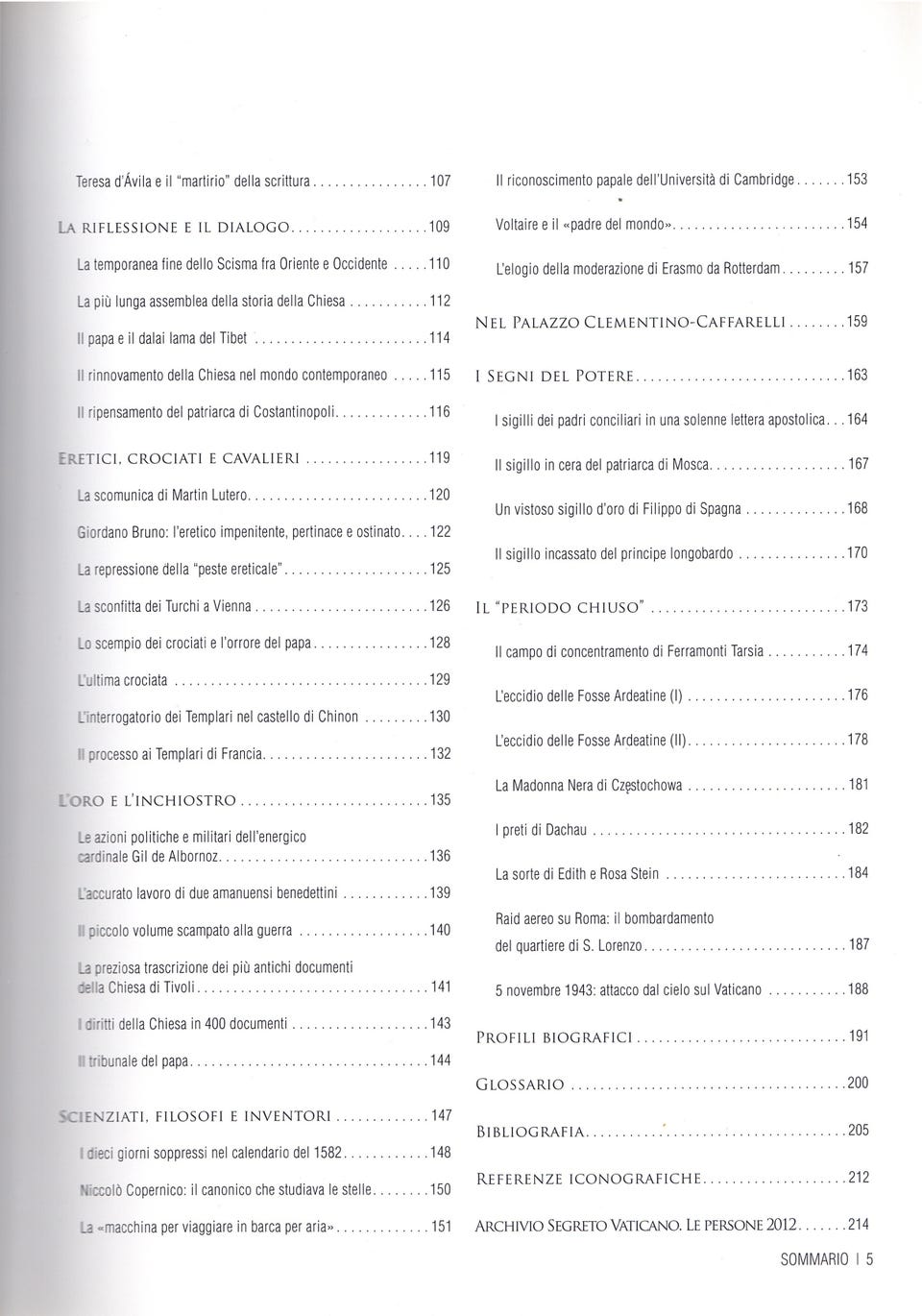
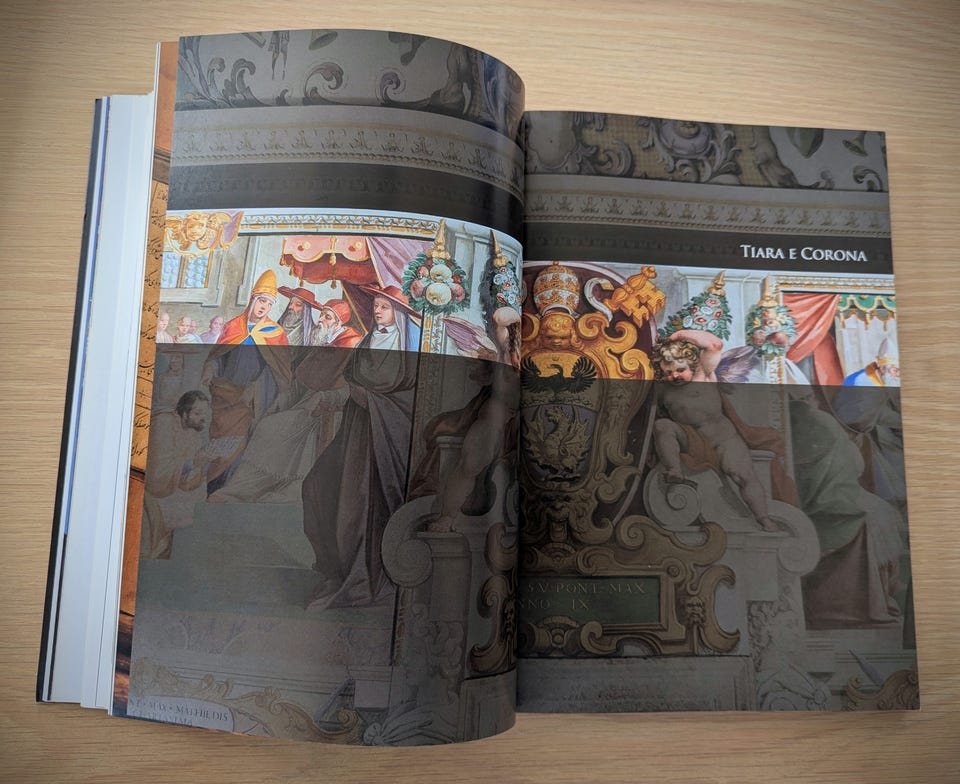
The “Tiara and Crown” section displays twelve documents related to the centuries-long dialectic between spiritual and temporal power: from the forged “Donation of Constantine” to the Privilegium Ottonianum, from Gregory VII’s Dictatus Papae to Boniface VIII’s bull Unam Sanctam, from the surrender of the papal army in 1870 to the Lateran Pacts of 1929.
The section titled “In the Secret of the Conclave” comprises documents that recount the historic evolution of this assembly of cardinals gathered to elect a new pope. It also includes the parchment letter that the cardinal-electors sent to Pietro del Morrone, the future Celestine V, to notify him of his election as the new pope.
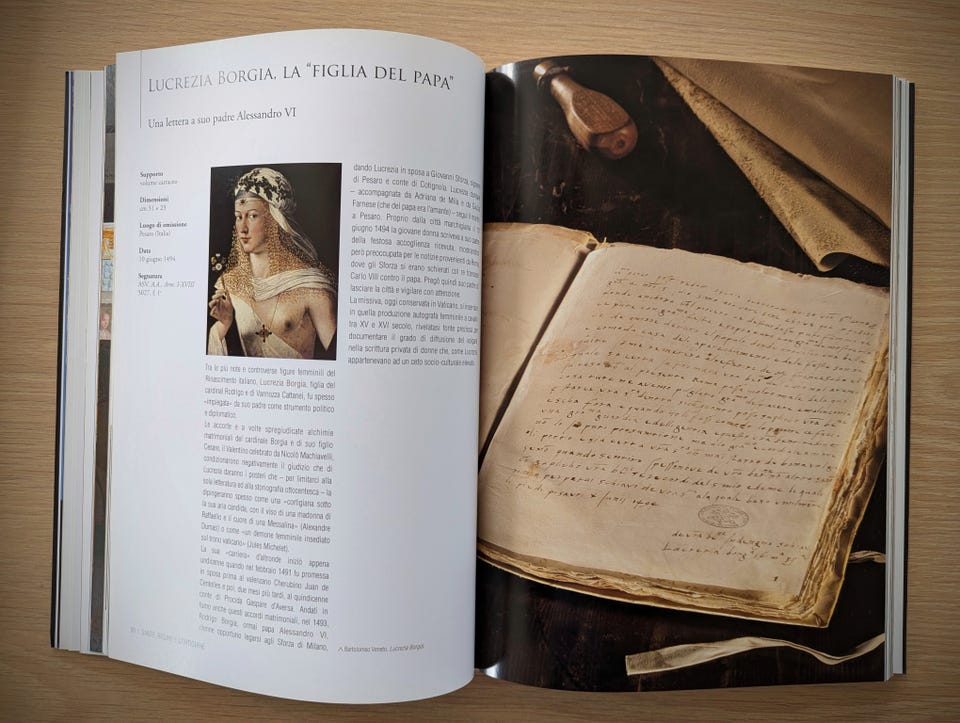
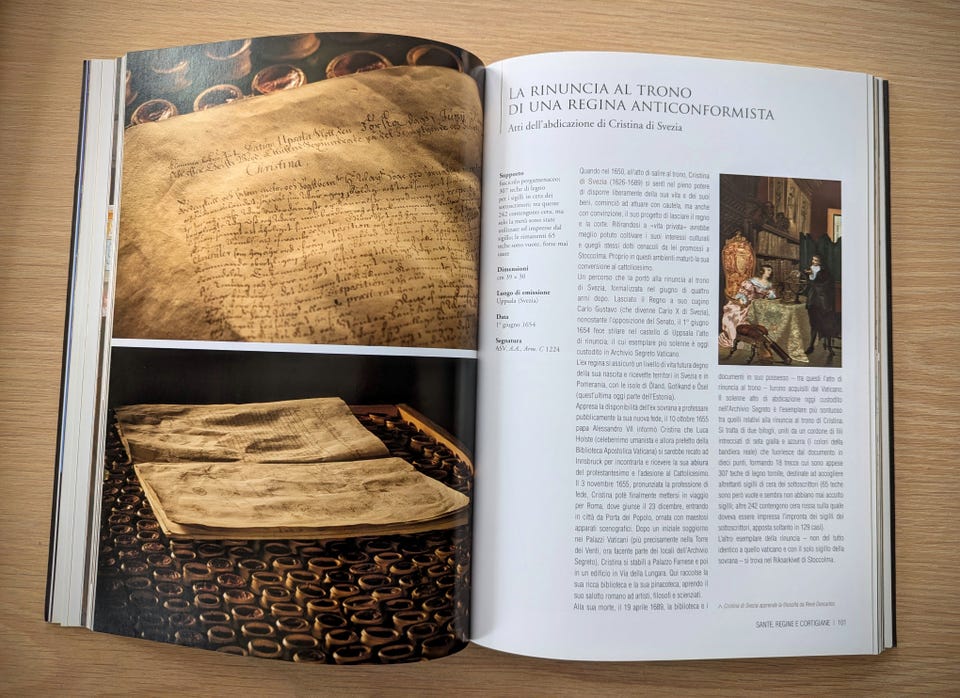
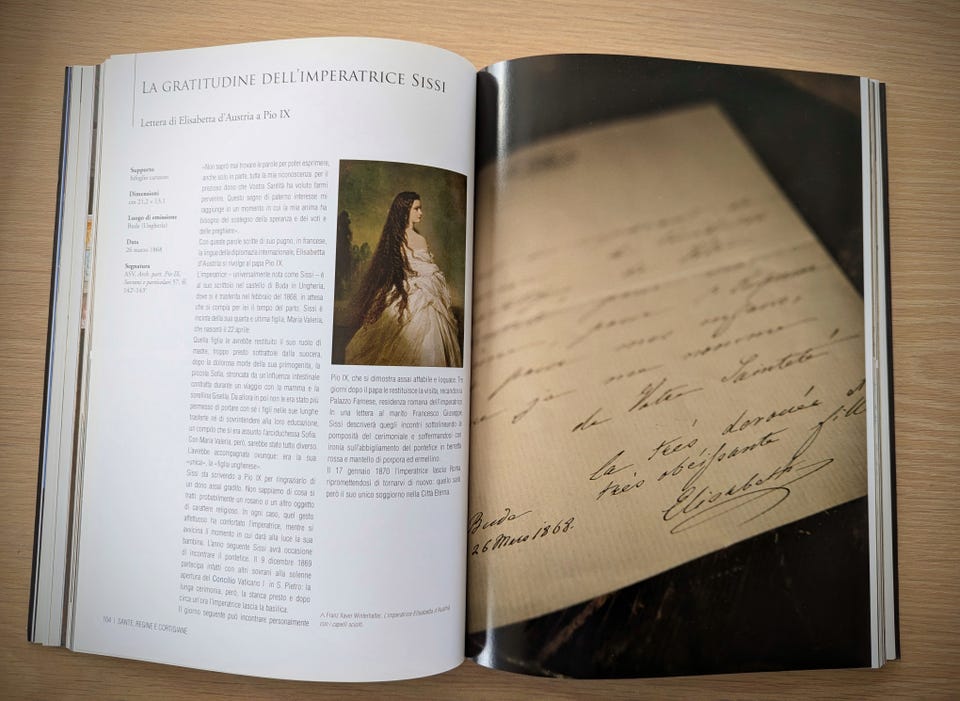
“Saints, Queens and Great Ladies” displays documents concerning famous women, from Lucrezia Borgia (pope Alexander VI’s daughter) to Bernadette Soubirous, the humble seer of Massabielle; from Christina of Sweden’s abdication from her throne to Mary Stuart’s last letter to pope Sixtus V; from a letter sent by Elizabeth of Austria to Pius IX, to the note handwritten by Marie Antoinette of France in prison.
“Dialogue and Reflection” recounts the Catholic Church’s internal thinking, its dialogue with other Christian denominations and other religions, and its evolution from the strict rules imposed by the Council of Trent to the more mature decrees of Vatican Council II. Also displayed in this section is a letter from Clement XII to the deputy of the seventh Dalai Lama; the pope requested protection for a Franciscan mission in Tibet and freedom for the friars to preach the Gospel.
The show could hardly lack a section on “Heretics, Crusaders and Knights.” Among the documents on display here is the record of the trial of the Templars of France, written on a 60-meter-long parchment roll; the excommunication of Martin Luther; a summary of the proceedings at the trial of Giordano Bruno, and Gregory IX’s Statutes against heretics.
Six documents are present in the section titled “Scientists, Philosophers and Inventors.” Some concern great names such as Nicolaus Copernicus, Voltaire and Erasmus of Rotterdam. Other curious documents are the design of a singular flying machine invented by a Brazilian priest named Bartolomeu Lourenço de Gusmão, a printed copy of the new Gregorian calendar for 1582 (the Lunario novo), and the pope’s recognition of Cambridge University. Interesting moments in the relationship between the Catholic Church and philosophic and scientific culture: a relationship intended in part as the papacy’s promotion of culture.
Lastly, the section on “Ink and Gold” displays fine manuscripts and illustrated codices preserved in the Vatican Secret Archives."
NB: Knappen for å vise hele beskrivelsen har kun en visuell effekt.
Brukerprofil

Du må være logget inn for å se brukerprofiler og sende meldinger.
Logg innAnnonsens metadata
Sist endret: 16.4.2026 kl. 15:41 ・ FINN-kode: 460132814
Utforsk våre nye sider for klær og mote
Ta en titt