Bildegalleri
(1/13)
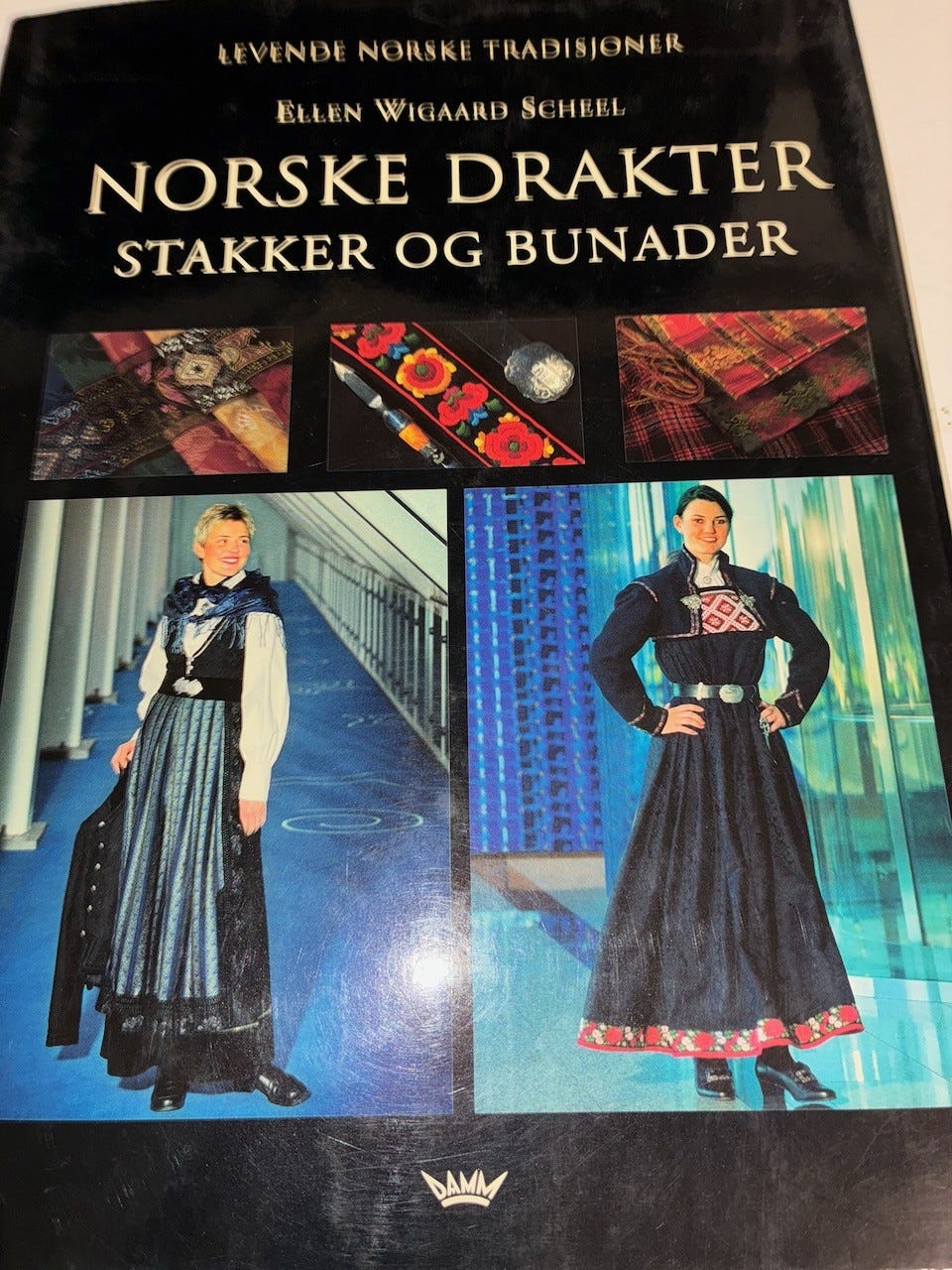
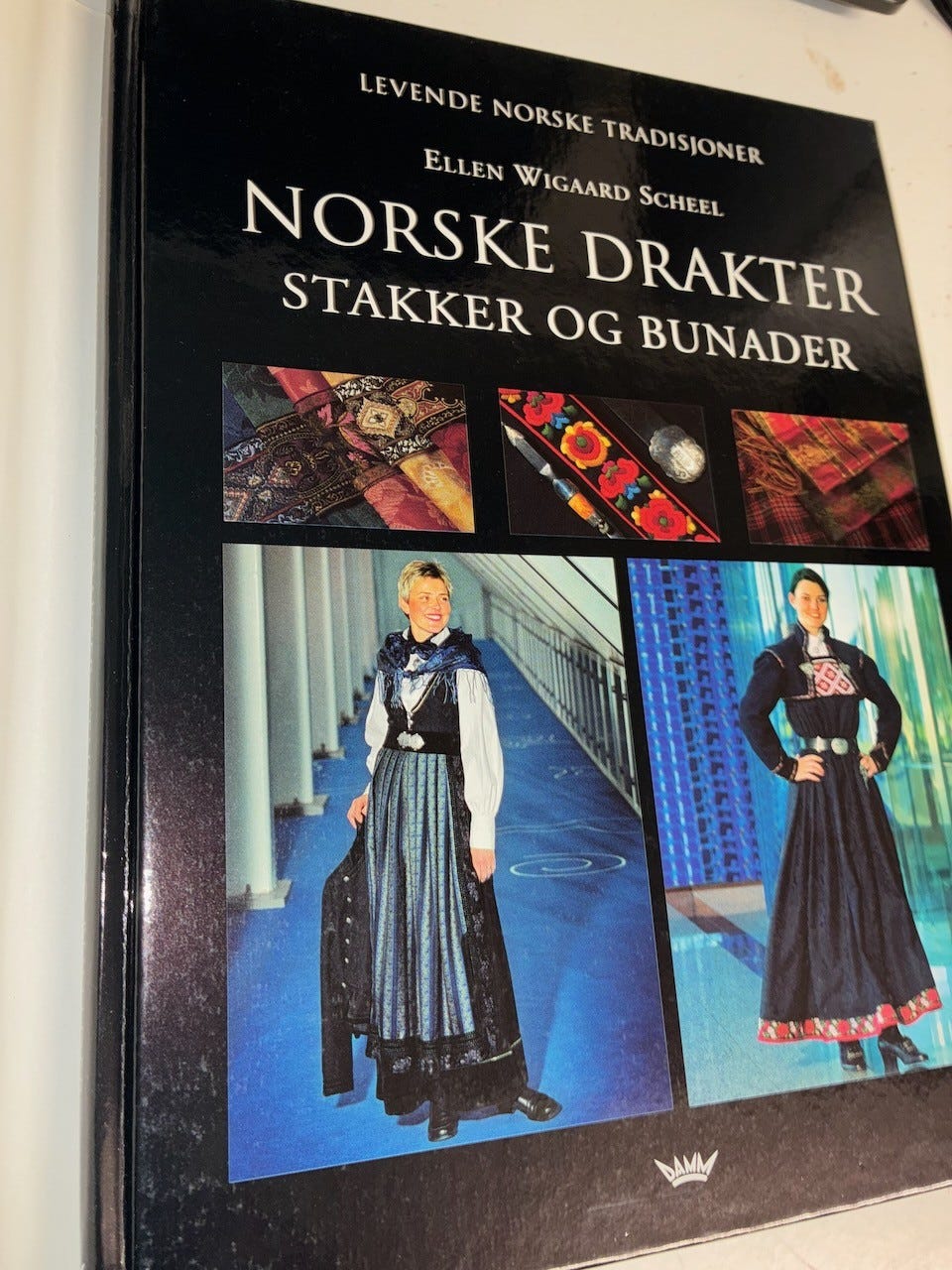

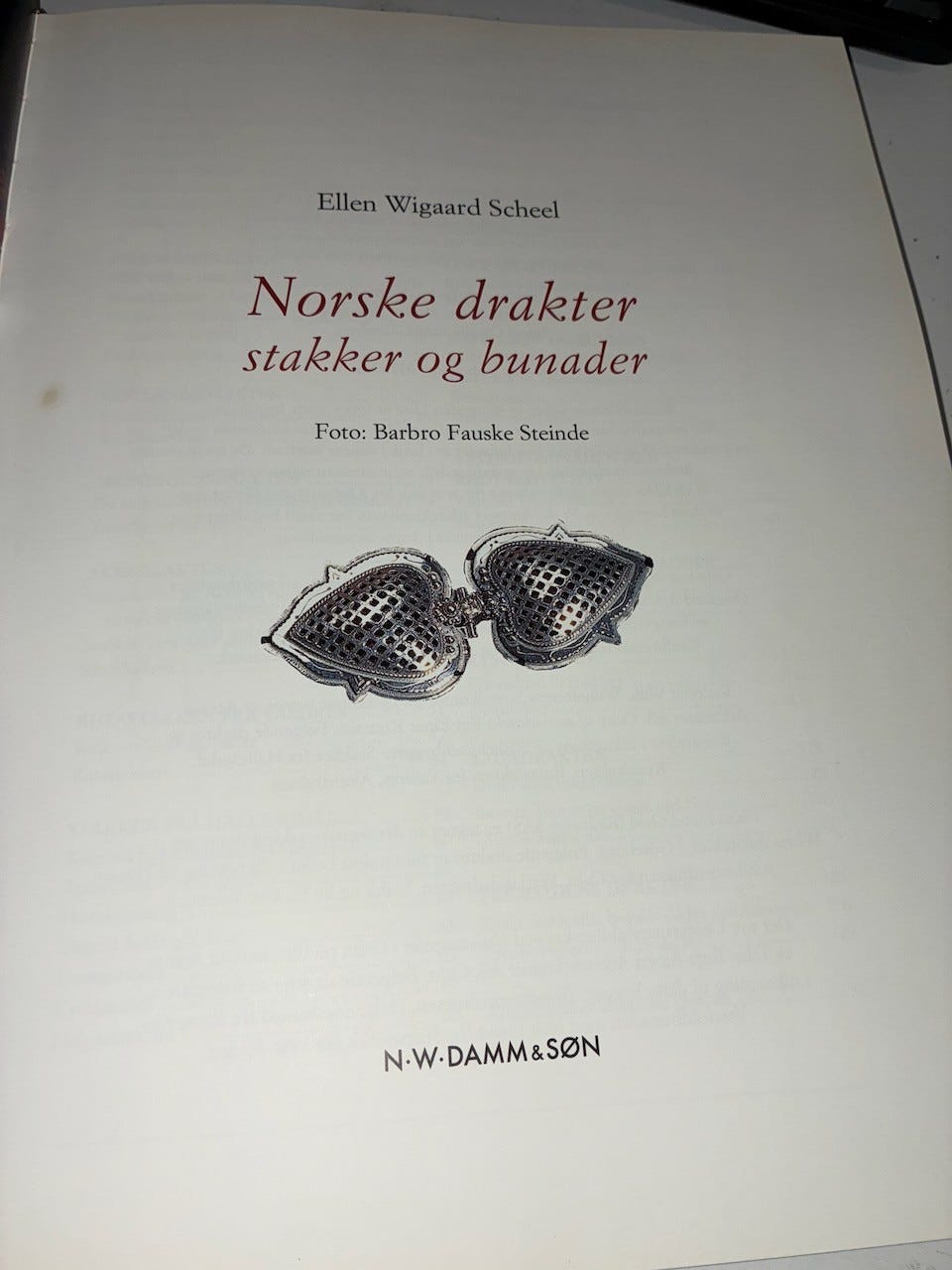

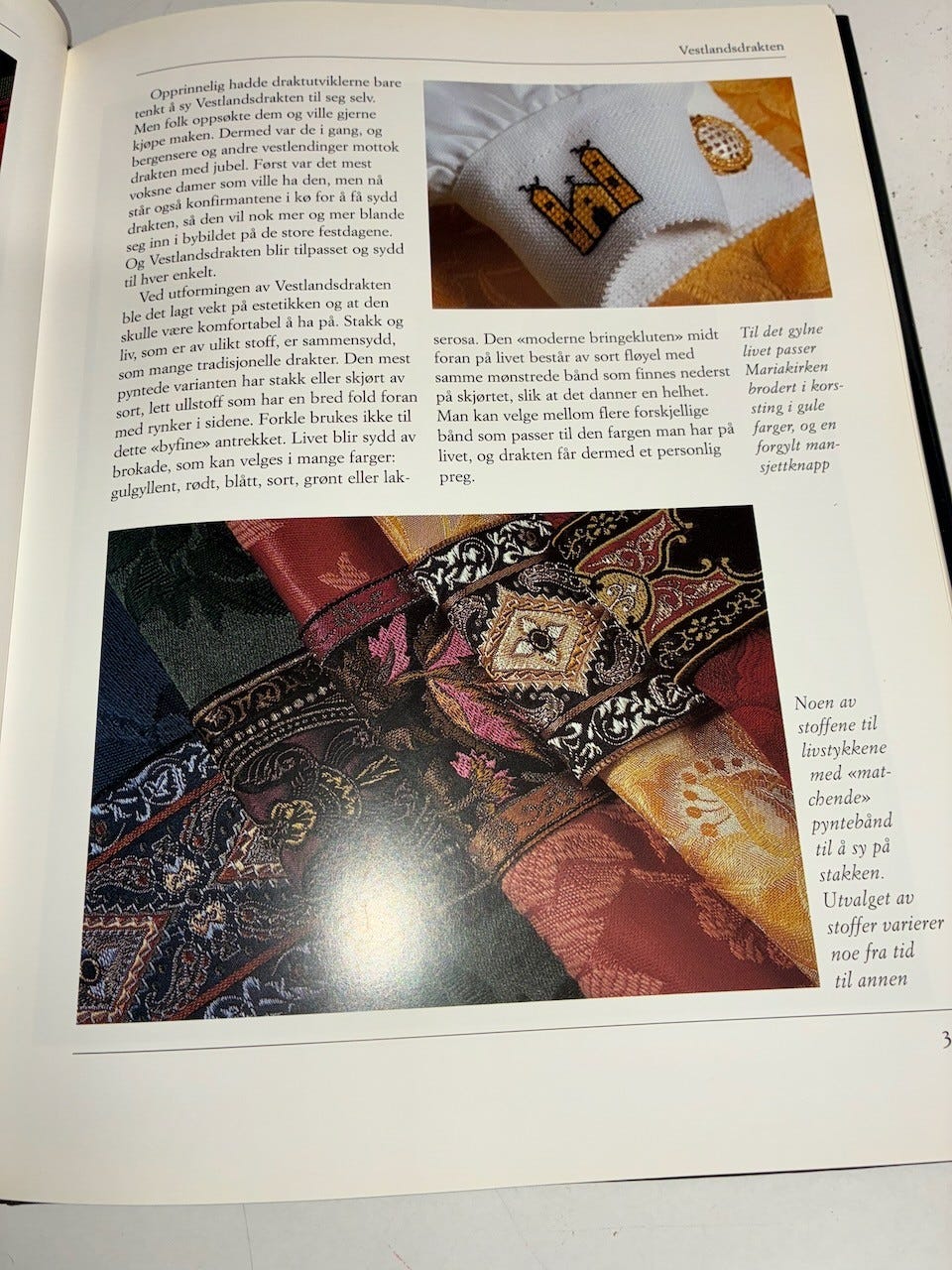
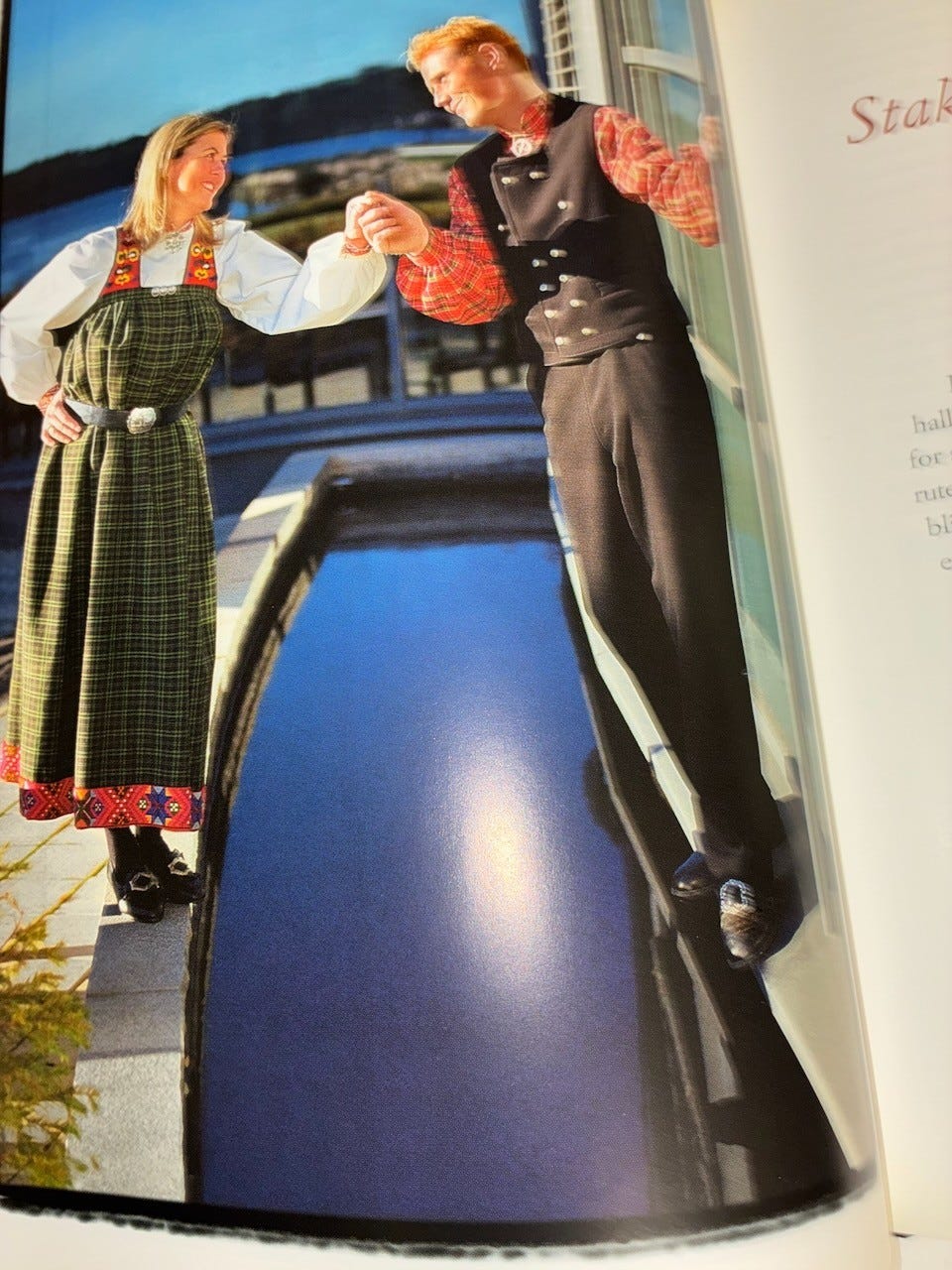

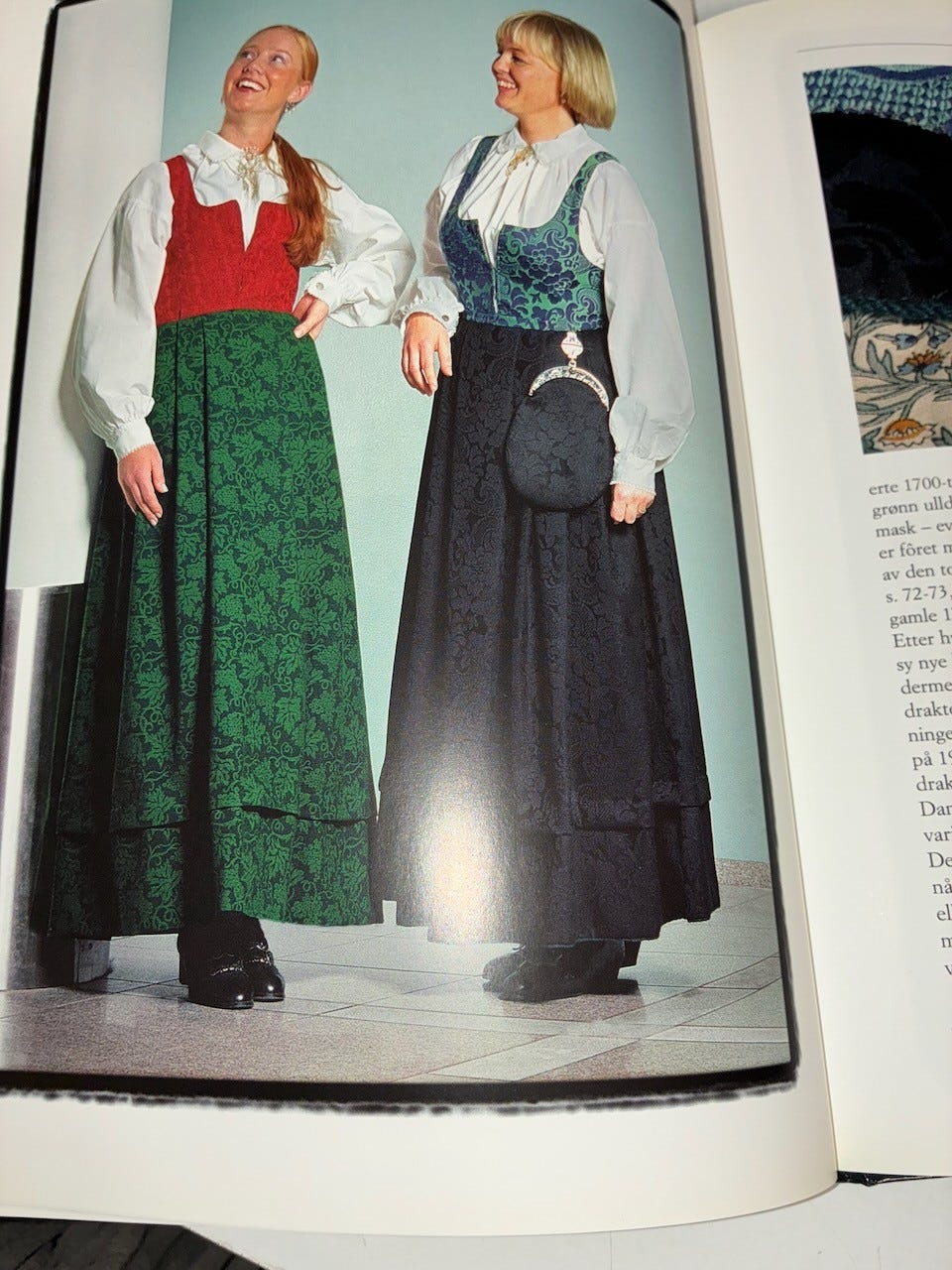

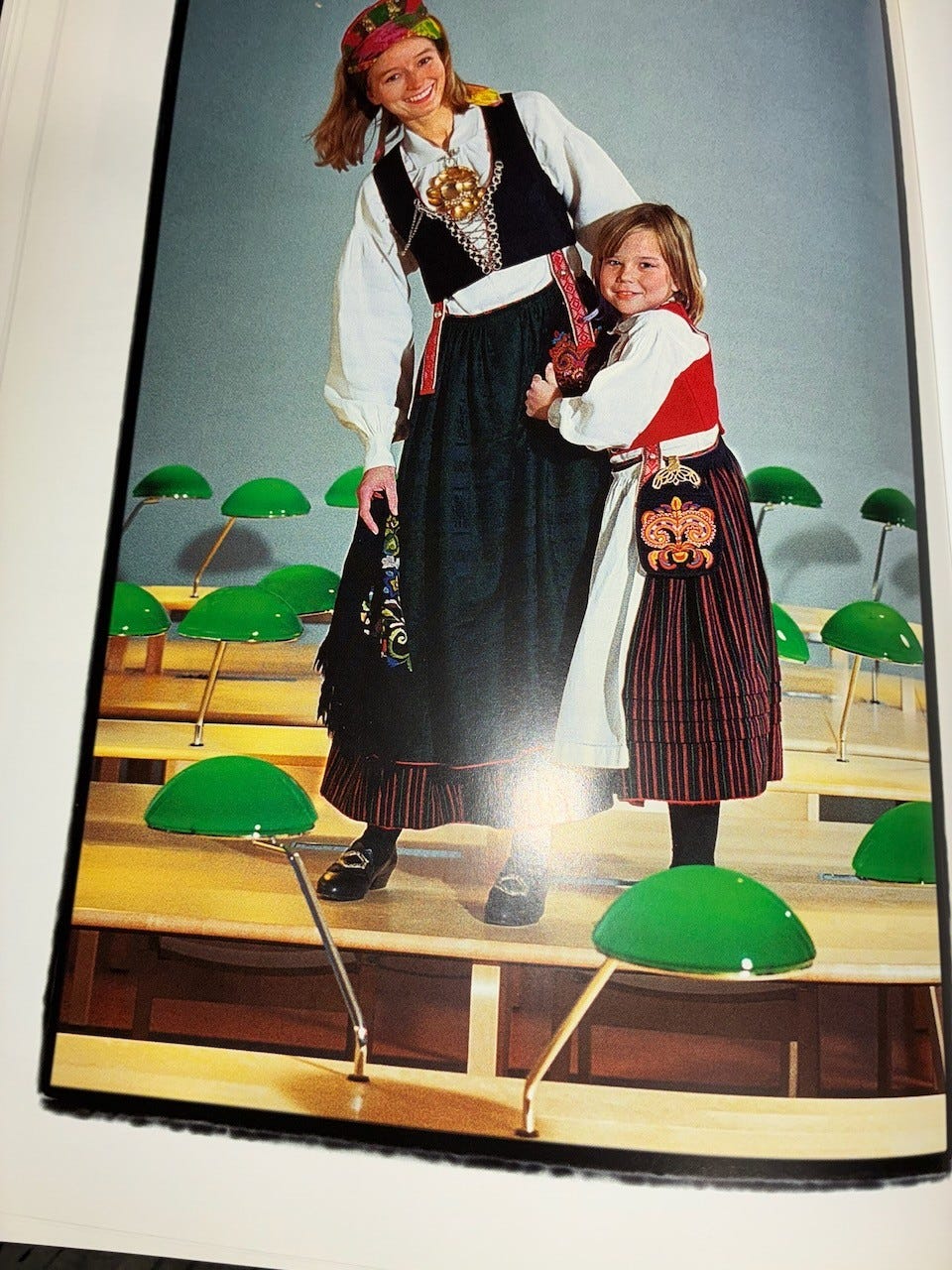


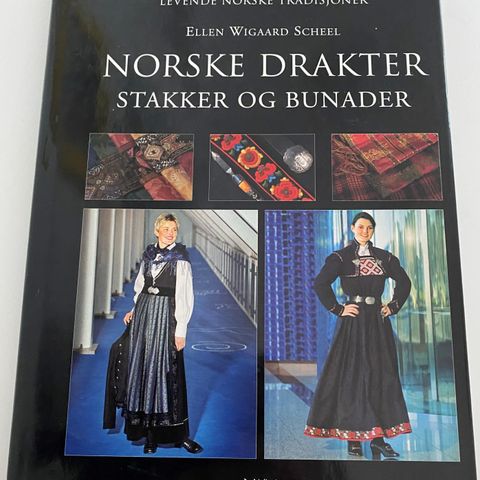
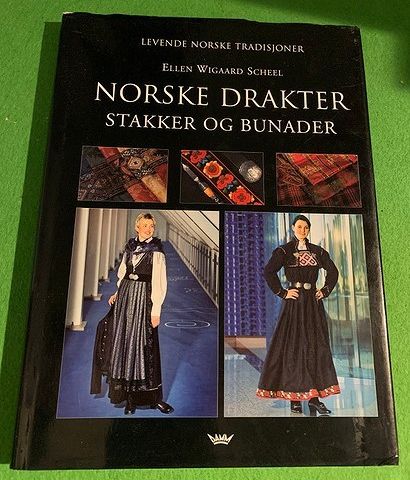
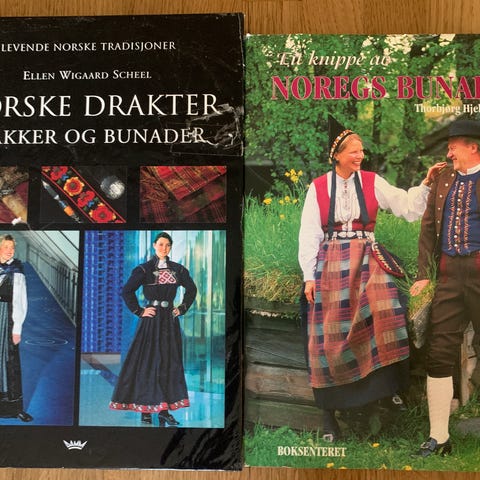
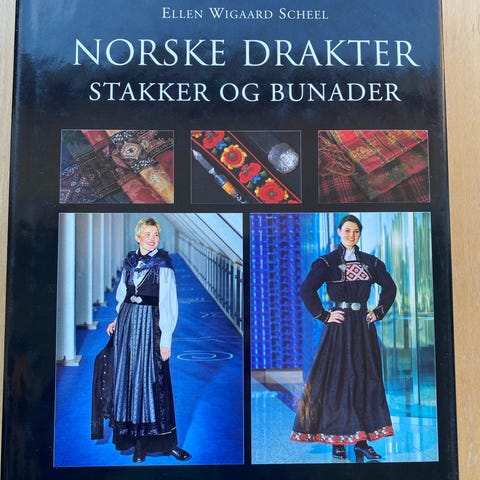
Norske drakter stakker og bunader. Ellen Wigaard Scheel.
Til salgs550 kr
Beskrivelse
Norske drakter stakker og bunader. Levende norske tradisjoner. Ellen Wigaard Scheel. N.W. Damm & Sønn.
Selve bunadbruken er blitt en tradisjon når man pynter seg til fest i Norge, og mange typer drakter er å få. Noen kalles bunader, andre folkedrakter, stakker eller bare drakter. I denne boken presenteres et utvalg av høyst ulike drakter med et fellestrekk: de er lettere å ha på seg enn mange tunge festbunader. Dessuten er flere av dem rimeligere i anskaffelse.Her finnes både bunader og "stakker" med røtter i vår folkedrakttradisjon samt nyere komponerte drakter, som "bydrakten" for Oslo, Bergen og Trondheim, og dessuten Kystdrakten og Sagadrakten. Forfatteren forklarer bakgrunnen for bruken av ulike betegnelser på draktene: Her får du blant annet lese om hvorfor ikke alle bunader er folkedrakter, og hvorfor ikke alle festdrakter bør kalles bunader.Omtrent 25 forskjellige drakter eller varianter av disse blir presentert i boken. Forfatteren tar først og fremst for seg kvinnedrakter, men noen herre- og barnedrakter i samme "familie" er også med. De enkelte festantrekkene blir beskrevet grundig, og leseren får bakgrunnsinformasjon om draktene med tips om hvor disse kan kjøpes.Tanken bak boken er å gi inspirasjon til de som ønsker å skaffe seg et festantrekk i vår bunadtradisjon . eller gi nyttig informasjon om den drakten man allerede har. Uansett om det gjelder drakt, stakk eller bunad er det hyggelig å kjenne til historien bak sin egen festdrakt.
Ellen Wigaard Scheel har interessert seg for bunader og folkedrakter i mange år. Hun har tidligere skrevet en bok om bunadbrodering, som for det meste omfatter velkjente festbunader. Ut av dette kom senere idéen om å presentere noen andre drakter i vår bunadstradisjon, slike som er lettere å ha på seg enn de mange festbunadene.
Bunad (Norwegian: [?b???n?d], plural: bunader/bunadar) is a Norwegian umbrella term. In a broader sense, the term encompasses household, householding equipment, and livestock as well as both traditional rural clothes (mostly dating to the 18th and 19th centuries) and modern 20th-century folk costumes.[1] In its narrowest sense, the word bunad refers only to clothes designed in the early 20th century that are loosely based on traditional costumes.
The bunad movement has its root in 19th-century national romanticism, which included an interest for traditional folk costumes not only in Norway, but also in neighbouring countries such as Denmark and notably Germany. However, in Norway, national romanticist ideas had a more lasting impact, as seen in the use of folk-inspired costumes.
History
Traditional folk clothing of eastern Telemark, 1880s
The bunad movement has been carried forward by enthusiasts all over the country and new bunad variations are frequently created and proposed for approval. Designers such as Lise Skjåk Bræk have developed entire lines of costumes based on the bunad tradition. In the field of folk costumes it is common to differentiate between bunad and folk costume, the latter being the local dress in previous times with all its variations and use. Modern interpretations of these costumes have often modified or done away with completely parts of the traditional dresses in order to align them with a more conventional idea of beauty and fashion. For example, few Norwegians still use the headdresses and headpieces that were a part of the traditional costumes, preferring instead to show their hair, in accord with modern, Western fashions. These headdresses, like the one in the photo at the top of this article, were often seen as the most important part of the costume for native practitioners of the customs as the headdress often indicated an individual's social or marital status.
There is a continuing debate about the extent to which bunads must conform to the standards, or whether it is acceptable to vary or improvise based on general themes. Some groups (sometimes derisively referred to as the bunad police) argue that bunads must be sewn and worn according to strict standards; others advocate a more creative, lenient approach. Traditionally it is correct for women to wear proper bunad shoes and purses, and to avoid wearing sunglasses, earrings, and heavy makeup when dressed in a bunad.
Bunads are nowadays often viewed as a status symbol, ranging in the price of $2,000?10,000, depending on the desired design, material, embroidery, gold, silver and accessories. The price also depends on whether the customer buys from a well-established company like Husfliden, from local sewers or decides to sew or do part of the embroidery themselves. It usually takes up to a year to finish making the bunad, and it has become a tradition for parents to give their children a bunad as a confirmation gift, which they will wear on their confirmation day.
Ring eller send sms til 915 44 248 for å kjøpe og for å diskutere henting og sending.
NB: Knappen for å vise hele beskrivelsen har kun en visuell effekt.
Beliggenhet
| FINN-kode | 458429604 |
|---|---|
| Sist endret | 3.4.2026 kl. 18:08 |