Fiks ferdig
Frakt fra 25 kr + Trygg betaling 224 kr. Frakten er på tilbud – ordinær pris er 50 kr.
Varen sendes til deg, og du har 24 timer til å inspisere den før pengene overføres til selgeren.
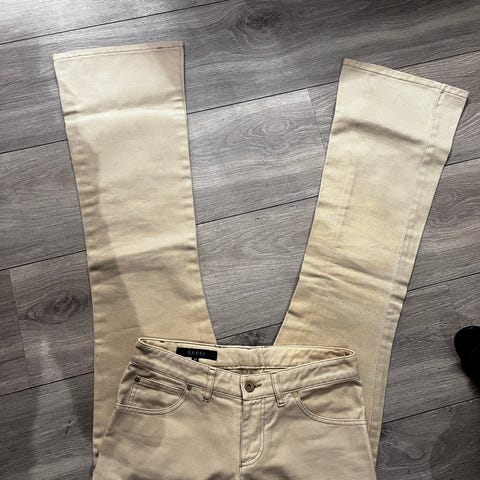
Tilstand: Pent brukt - I god stand
Størrelse: S
Merke: Gucci
Farge: Grå
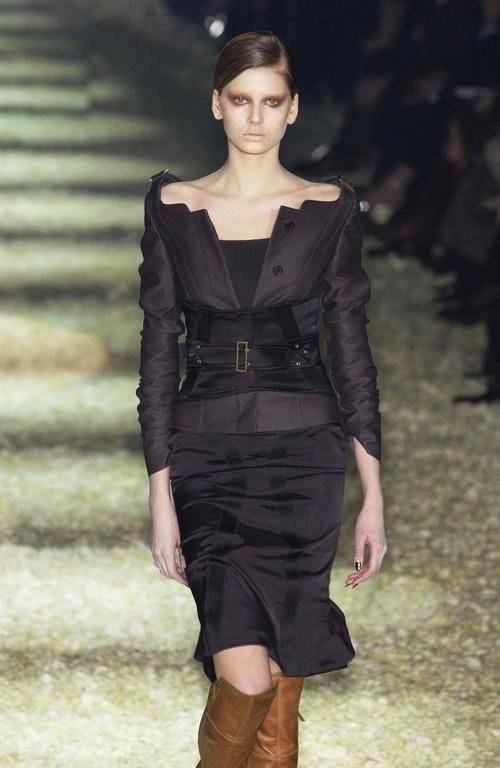
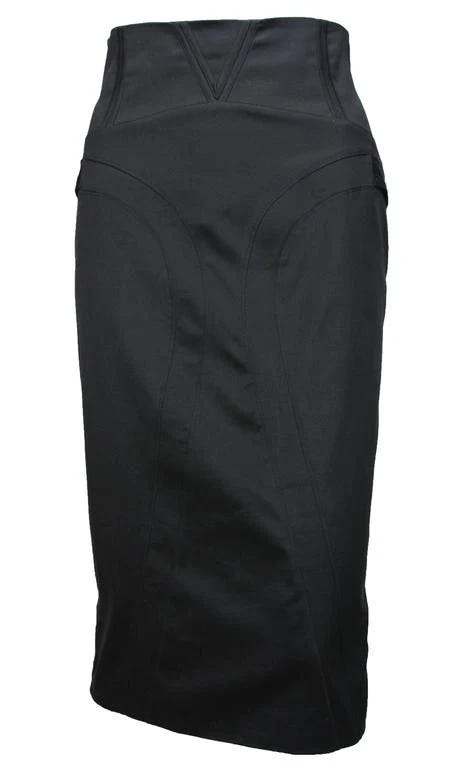
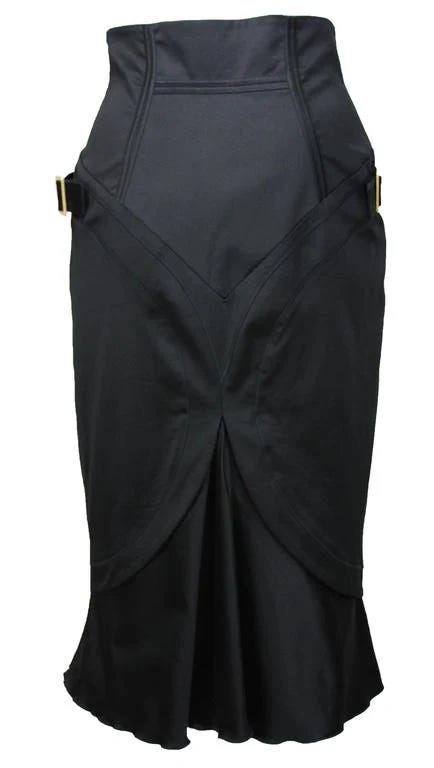
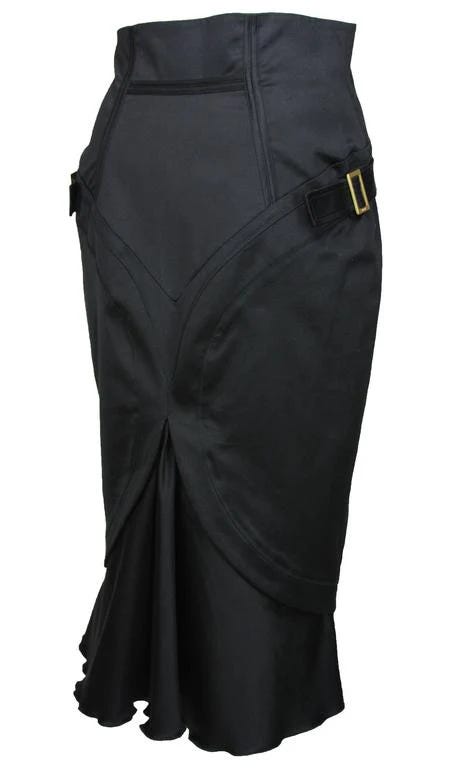
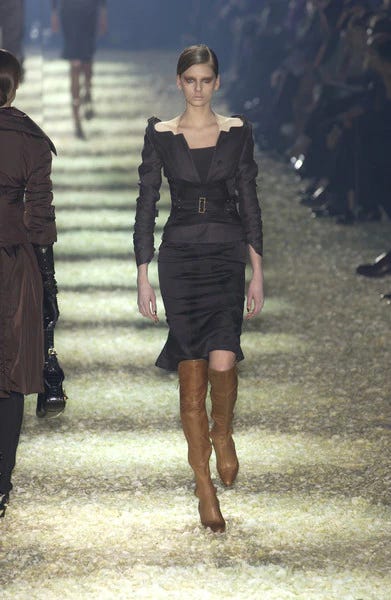
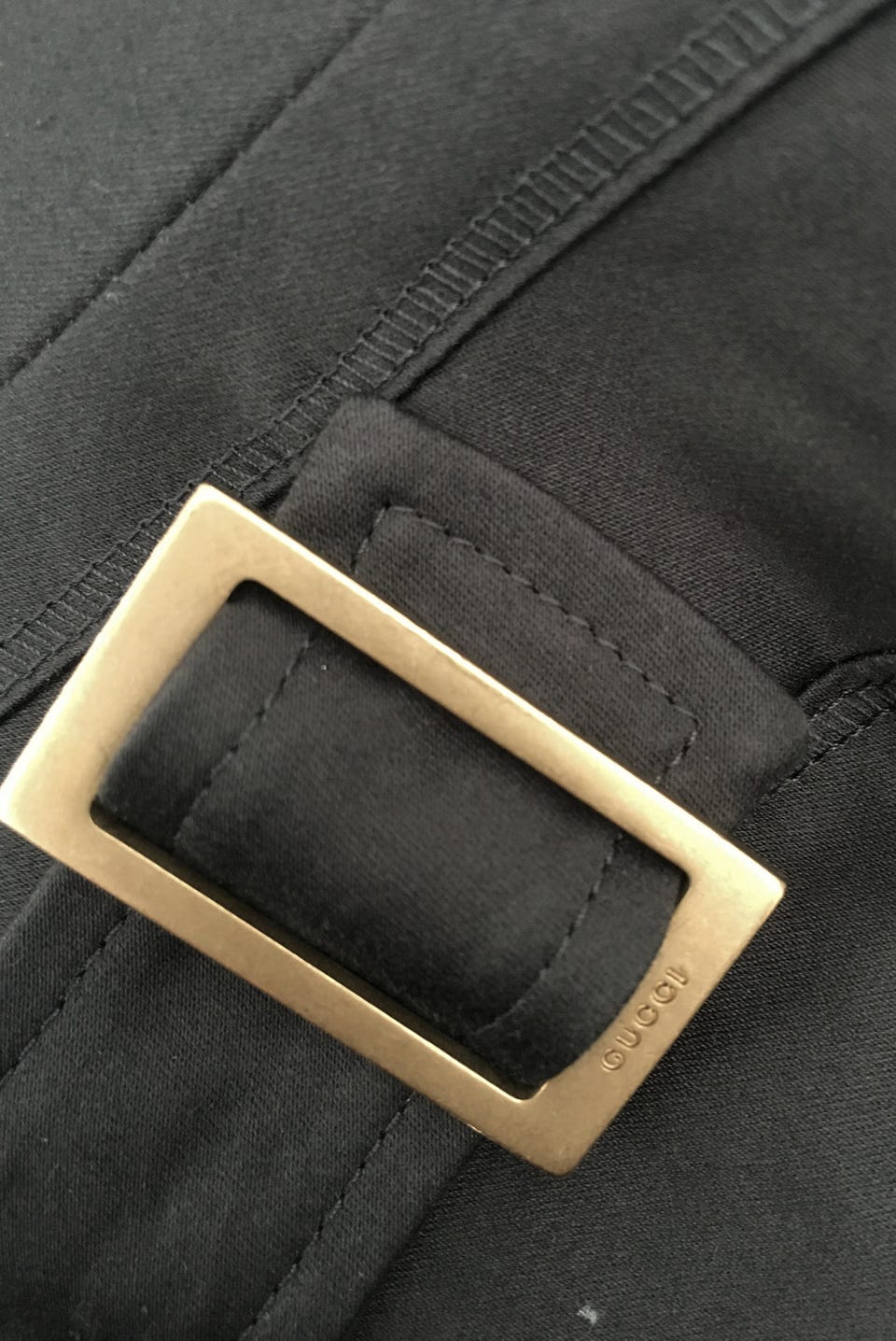
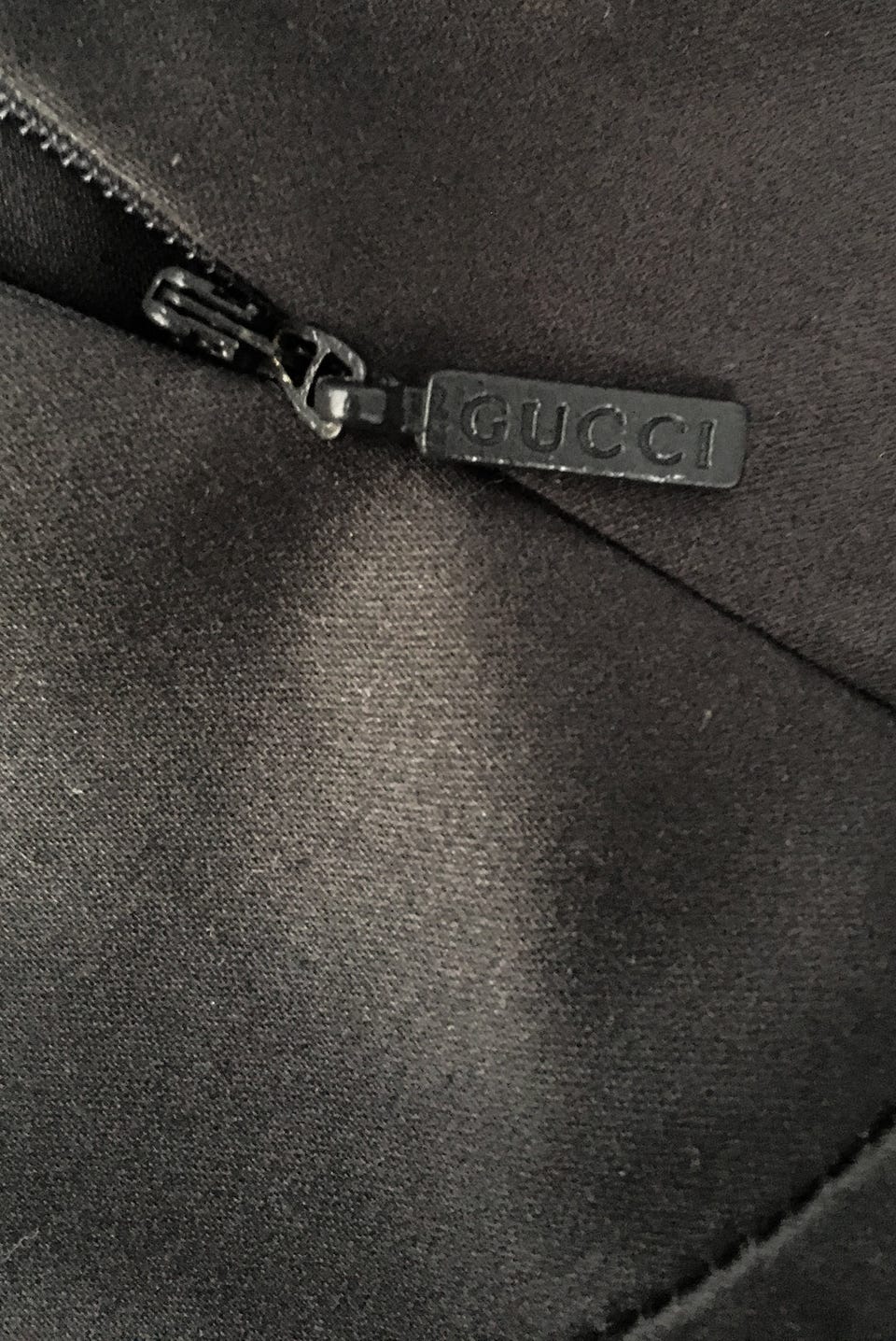
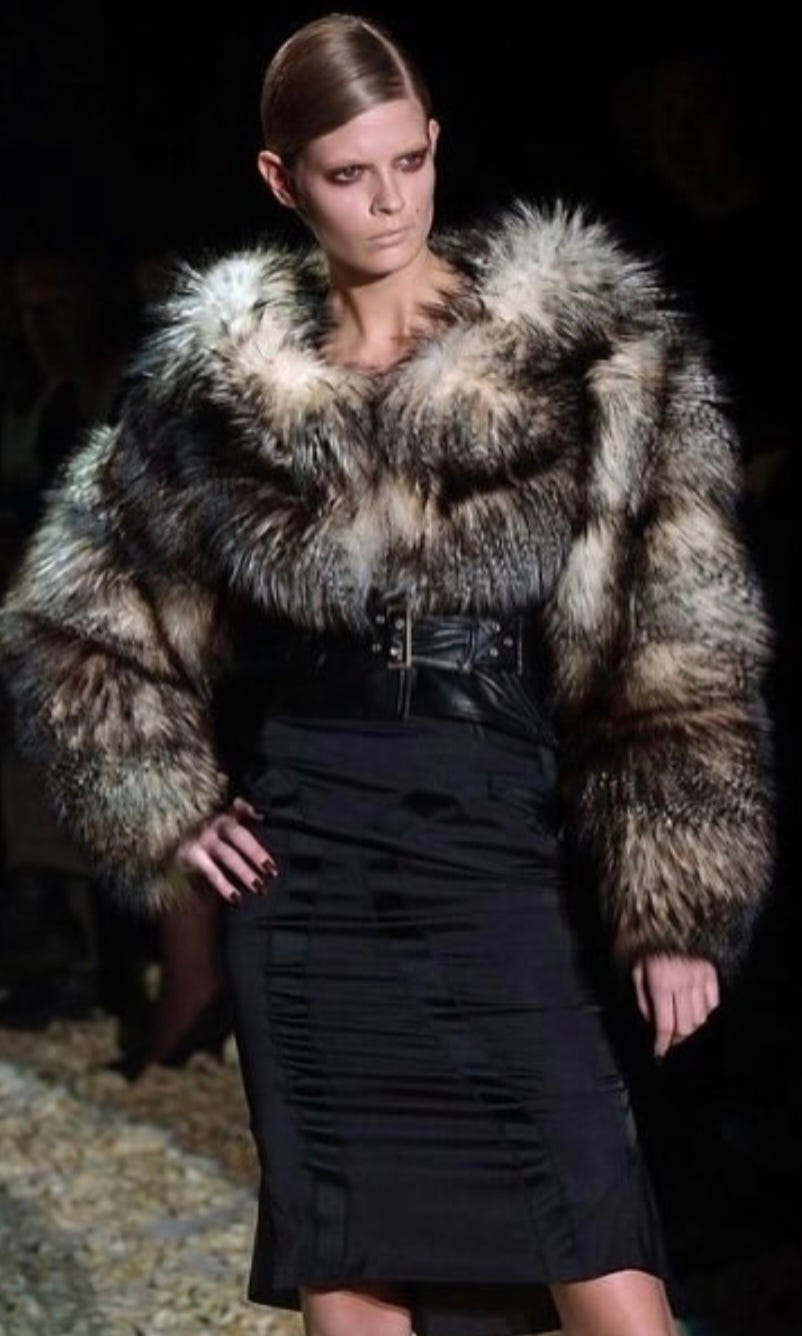
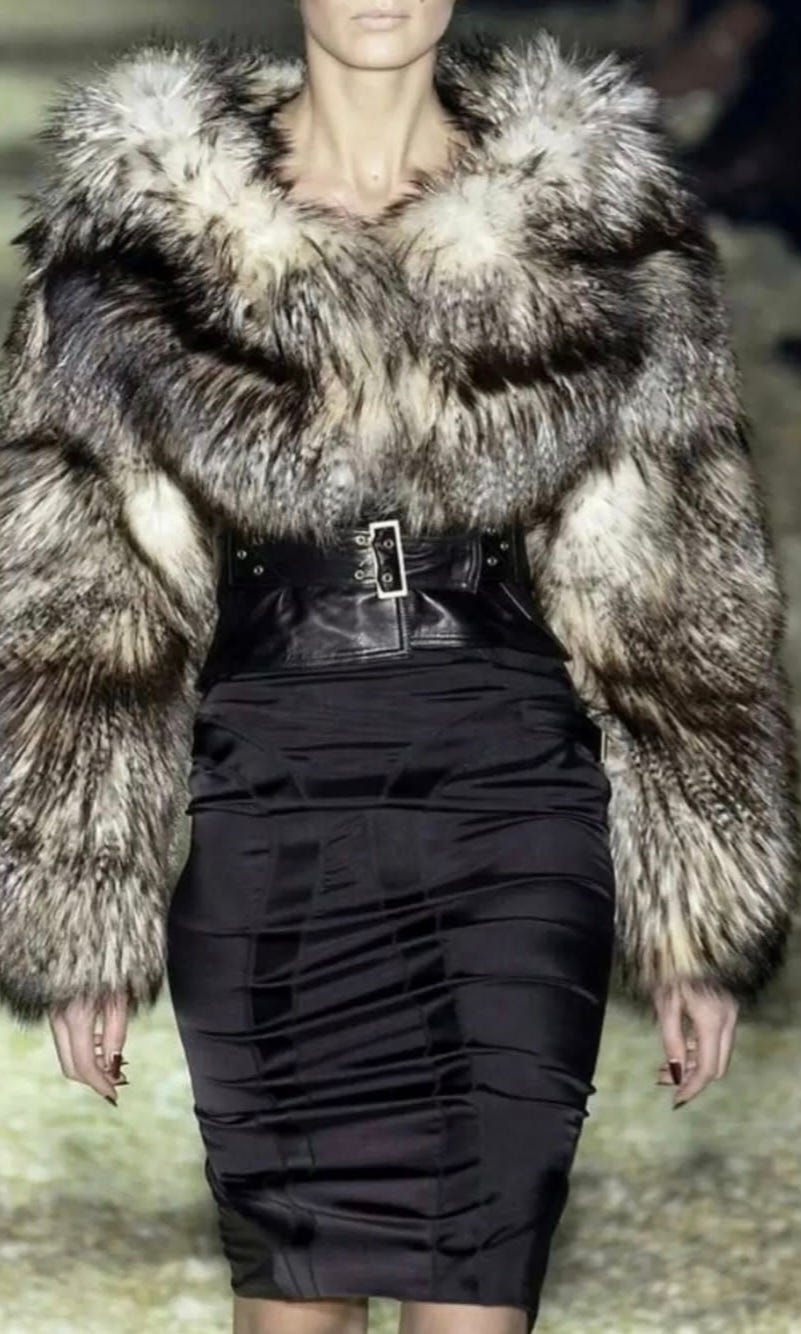
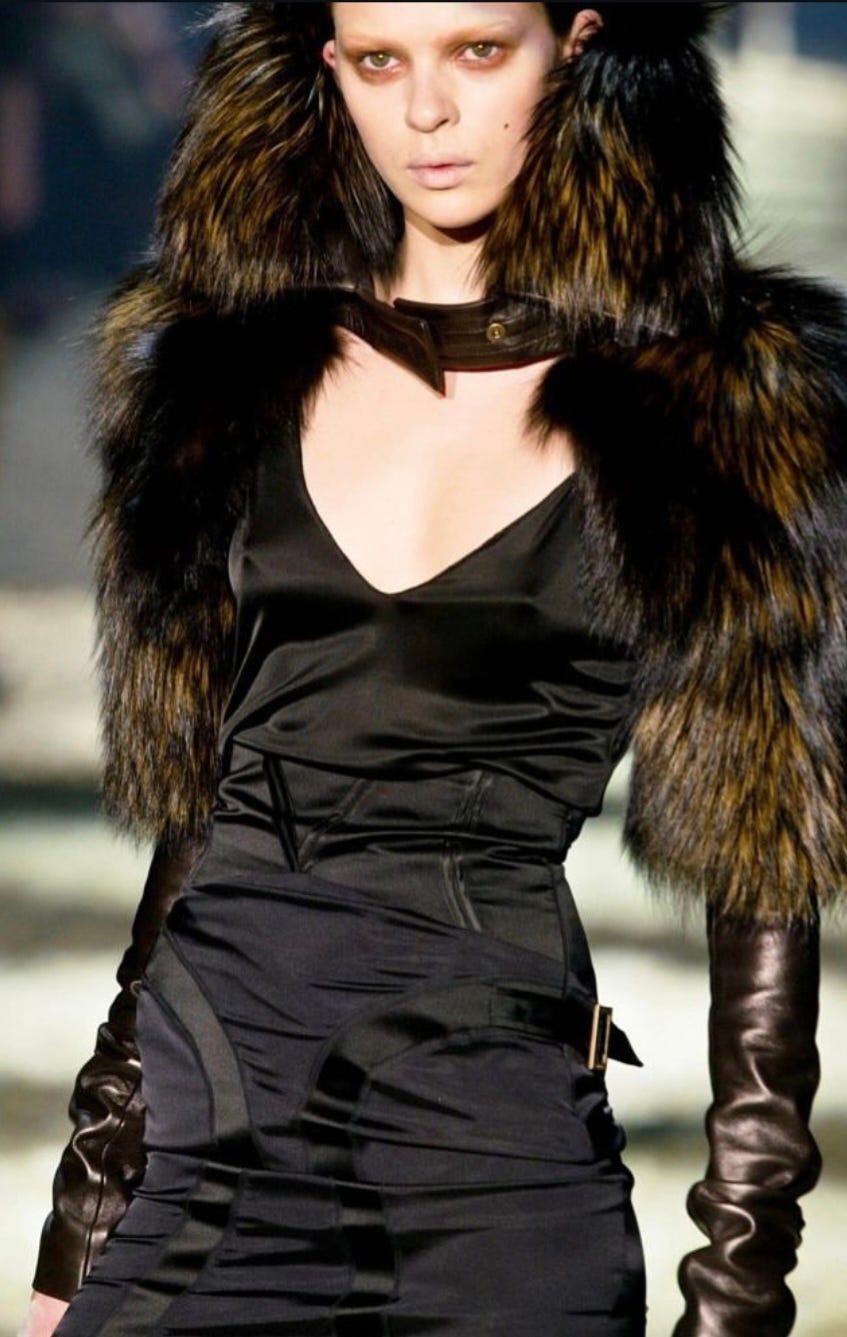
Tettsittende, kullgrått blyantskjørt fra Gucci med skreddersydde sømmer. Skjørtet sitter høyt med et kortsettliknende bånd i livet som fremhever timeglassfigur. Det har to belter på sidene av hoftene, og nederst på baksiden av skjørtet åpner det seg. Skjørtet har en usynlig glidelås i siden med Gucci-stempel. Tom Ford viste dette skjørtet fire ganger under vsiningen for høst/vinter 2003.
Tom Ford arrived at Gucci in 1994 at a moment when the Italian house was widely seen as languishing: its image tired, its sales flagging, and its cultural relevance fading. What he did next wasn’t incremental — it was revolutionary. Within just a couple of seasons, Ford turned Gucci into the most talked-about, coveted brand in fashion and a global symbol of modern glamour and desirability.
Ford’s Gucci was unapologetically bold, sleek, and seductive — a stark contrast to the restrained elegance dominating early ’90s fashion. His runway shows and collections radiated a potent mix of studio-54 glamour, lustrous fabrics, and body-confident silhouettes that captured the imagination of an entire generation: jewel-toned silk blouses paired with low-slung velvet trousers, plunging necklines with tailored suiting, and a sophisticated eroticism that felt both luxurious and raw.
These weren’t just clothes — they were cultural moments. Supermodels like Kate Moss walking the runway in satin shirt ensembles became instant archetypes of ’90s chic, and celebrities such as Madonna and Gwyneth Paltrow wore his designs on the world stage, cementing Gucci as the ultimate fashion brand of its era.
Ford understood that fashion isn’t just about garments — it’s about stories and desire. His campaigns, shot with collaborators like Mario Testino and styled by Carine Roitfeld, were provocative, glamorous, and buzz-worthy, positioning Gucci not merely as a label but as a full-on lifestyle aspiration. Even controversial moments — such as bold campaigns that blurred the line between fashion and art — became part of that allure.
Gucci Fall/Winter 2003–04 was Tom Ford at his most controlled, powerful, and cinematic — the moment where seduction gave way to authority. By this point, Ford had already resurrected Gucci and defined an era. FW03 wasn’t about shock; it was about mastery. The collection distilled everything he had built since 1994 into a razor-sharp vision of modern luxury: confident, polished, and devastatingly sexy without trying. FW 2003 captured Tom Ford’s evolution at Gucci: from provocateur to architect of desire. It showed how a house could be seductive without excess, glamorous without nostalgia, and modern without irony. Many designers still reference this era when chasing “timeless sexy” — because Ford already solved it.
It stands today as one of the clearest examples of how fashion can communicate power, confidence, and control — not through volume, but through restraint.
Even decades after his departure, Ford’s Gucci era is seen as the blueprint for what a fashion house can be when it harmonizes design vision, marketing bravado, and cultural resonance. His work laid the groundwork for how modern creative directors shape brand identity — a legacy that echoes in luxury houses today.

Du må være logget inn for å se brukerprofiler og sende meldinger.
Logg innSist endret: 21.1.2026 kl. 16:33 ・ FINN-kode: 443580631