Bildegalleri
(1/3)
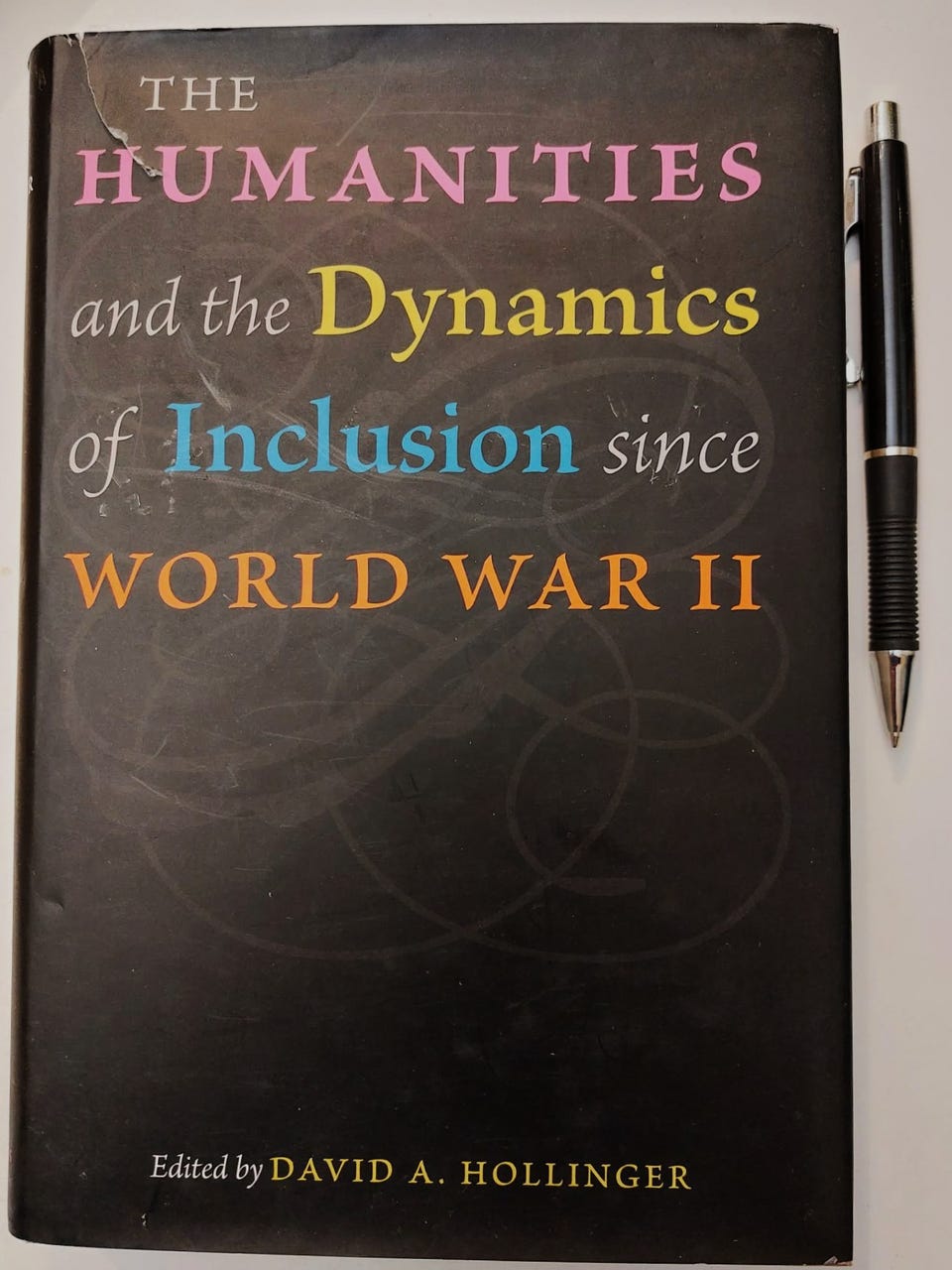
The Humanities and the Dynamics of Inclusion since World War ll (Hollinger ed.)
Til salgs
Fiks ferdig
129 kr
Frakt fra 38 kr + Trygg betaling 39 kr
Trygg handel med Fiks ferdig
Varen sendes til deg, og du har 24 timer til å inspisere den før pengene overføres til selgeren.
Beskrivelse av varen
Tilstand: Pent brukt - I god stand
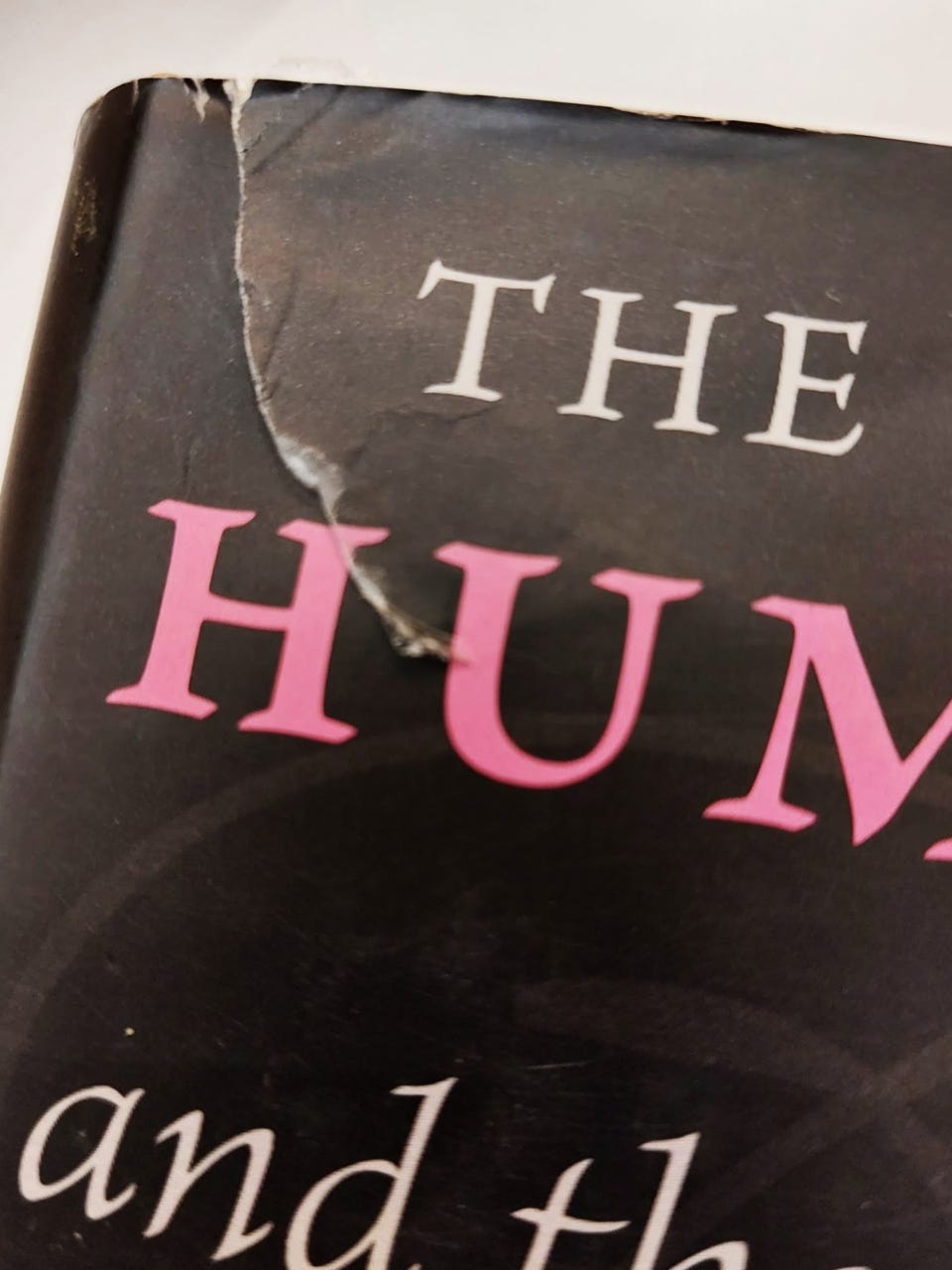
NB! Innbundet bok i god stand. Det er en tapet rift øverst på papiromslaget, se bilde.
Kan hentes i Bergen sentrum, sendes med Fiksferdig, eller sendes med Posten/Postnord uten Finn-gebyr.
Se gjerne mine andre annonser for samsending av flere bøker for samme porto.
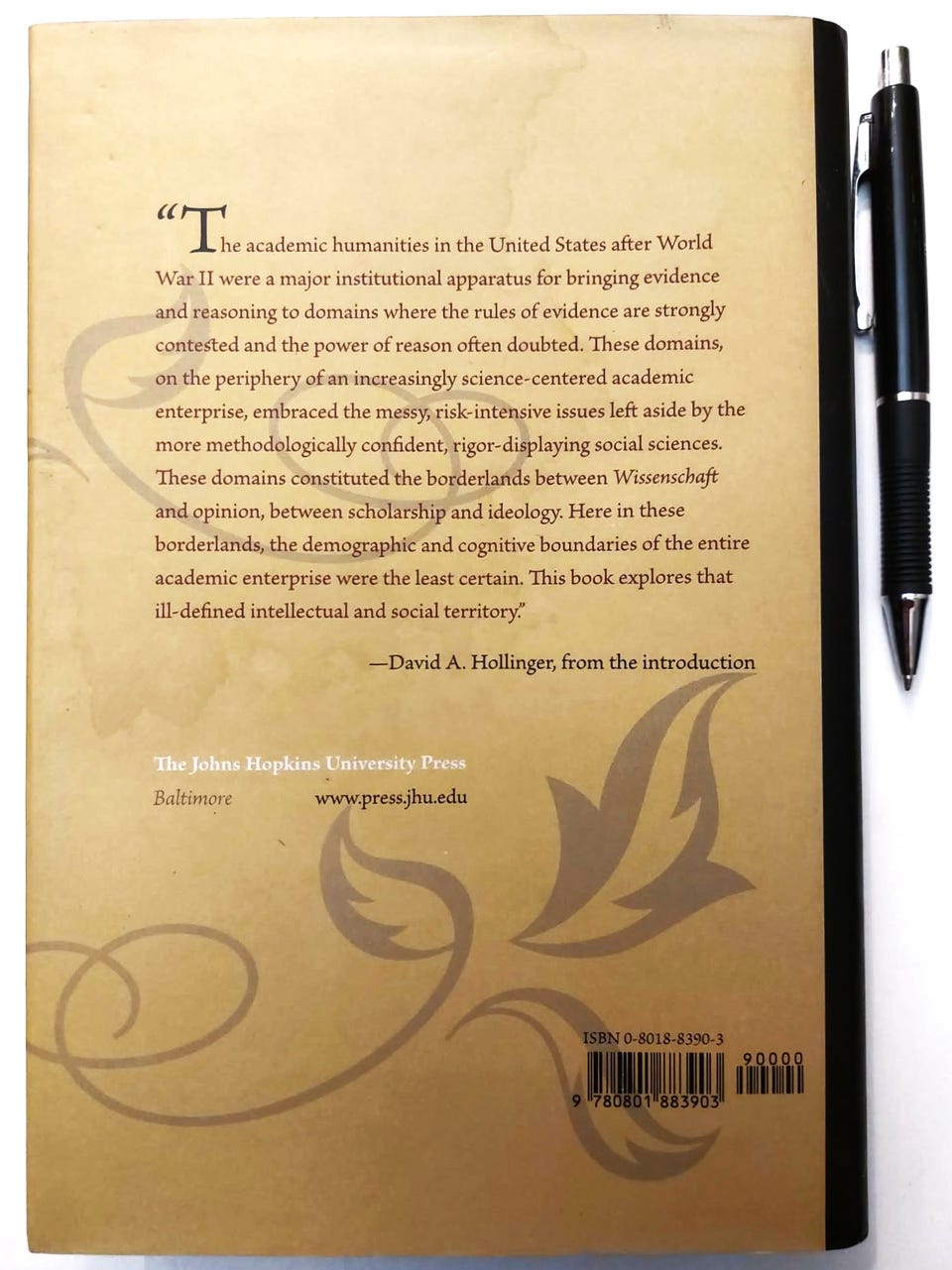
"The Humanities and the Dynamics of Inclusion since World War II" refers to a significant Johns Hopkins University Press edited volume by David A. Hollinger, exploring how post-WWII humanities in American universities became sites for incorporating diverse peoples (like women, Jews, Catholics, African Americans) and cultures (Area Studies, American Studies) previously marginalized, shifting curricula to reflect broader demographics and global interactions, a key aspect of reconciling American diversity.
Key Themes & Content
Demographic Shifts: The book examines how increased diversity in the academy (Jews, Catholics, women, African Americans) changed humanities disciplines.
summary
The role played by the humanities in reconciling American diversity—a diversity of both ideas and peoples—is not always appreciated. This volume of essays, commissioned by the American Academy of Arts and Sciences, examines that role in the half century after World War II, when exceptional prosperity and population growth, coupled with America's expanded political interaction with the world abroad, presented American higher education with unprecedented challenges and opportunities. The humanities proved to be the site for important efforts to incorporate groups and doctrines that had once been excluded from the American cultural conversation.Edited and introduced by David Hollinger, this volume explores the interaction between the humanities and demographic changes in the university, including the link between external changes and the rise of new academic specializations in area and other interdisciplinary studies.This volume analyzes the evolution of humanities disciplines and institutions, examines the conditions and intellectual climate in which they operate, and assesses the role and value of the humanities in society.Contents:John Guillory, "Who's Afraid of Marcel Proust? The Failure of General Education in the American University" Roger L. Geiger, "Demography and Curriculum: The Humanities in American Higher Education from the 1950s through the 1980s" Joan Shelley Rubin, "The Scholar and the World: Academic Humanists and General Readers"Martin Jay, "The Ambivalent Virtues of Mendacity: How Europeans Taught (Some of Us) to Learn to Love the Lies of Politics"James T. Kloppenberg, "The Place of Value in a Culture of Facts: Truth and Historicism"Bruce Kuklick, "Philosophy and Inclusion in the United States, 1929–2001"John T. McGreevy, "Catholics, Catholicism, and the Humanities, 1945–1985"Jonathan Scott Holloway, "The Black Scholar, the Humanities, and the Politics of Racial Knowledge Since 1945"Rosalind Rosenberg, "Women in the Humanities: Taking Their Place"Leila Zenderland, "American Studies and the Expansion of the Humanities"David C. Engerman, "The Ironies of the Iron Curtain: The Cold War and the Rise of Russian Studies"Andrew E. Barshay, "What is Japan to Us"?Rolena Adorno, "Havana and Macondo: The Humanities Side of U.S. Latin American Studies, 1940–2000"
Table of Contents
Introduction
pp. 1-22
Part 1: Academia and the Question of a Common Culture
1. Whoâ s Afraid of Marcel Proust? The Failure of General Education in the American University
pp. 25-49
2. Demography and Curriculum: The Humanities in American Higher Education from the 1950s through the 1980s
pp. 50-72
3. The Scholar and the World: Academic Humanists and General Readers in Postwar America
pp. 73-103
Part 2: European Movements against the American Grain?
4. The Ambivalent Virtues of Mendacity: How Europeans Taught (Some of ) Us to Learn to Love the Lies of Politics
pp. 107-125
5. The Place of Value in a Culture of Facts: Truth and Historicism
pp. 126-158
6. Philosophy and Inclusion in the United States, 1929â 2001
pp. 159-185
Part 3: Social Inclusion
7. Catholics, Catholicism, and the Humanities since World War II
pp. 189-216
8. The Black Scholar, the Humanities, and the Politics of Racial Knowledge since 1945
pp. 217-246
9. Women in the Humanities: Taking Their Place
pp. 247-269
Part 4: Area Studies at Home and Abroad
10. Constructing American Studies: Culture, Identity, and the Expansion of the Humanities
pp. 273-313
11. The Ironies of the Iron Curtain: The Cold War and the Rise of Russian Studies
pp. 314-344
12. What Is Japan to Us?
pp. 345-371
13. Havana and Macondo: The Humanities in U.S. Latin American Studies, 1940â 2000
pp. 372-404
Acknowledgments
pp. 405
Contributors
pp. 407-409
Index
pp. 411-421
Curricular Expansion: It details the rise of new fields like American Studies, Latin American Studies, and Russian Studies, integrating non-European cultures and histories.
Cultural Conversation: The humanities became crucial in debating American identity, expanding beyond traditional Western canons to include varied cultural perspectives.
Intellectual & Political Context: Essays discuss the influence of Cold War politics, European émigré intellectuals, and the challenge of reconciling universal values with specific cultural contexts.
Significance
The volume argues that the humanities, far from being static, actively engaged with and shaped America's evolving multicultural landscape by broadening their scope and welcoming previously excluded voices and subjects, marking a major transformation in higher education.
NB: Knappen for å vise hele beskrivelsen har kun en visuell effekt.
Brukerprofil

Du må være logget inn for å se brukerprofiler og sende meldinger.
Logg innAnnonsens metadata
Sist endret: 28.4.2026 kl. 20:59 ・ FINN-kode: 443514679
Utforsk våre nye sider for klær og mote
Ta en titt