Bildegalleri
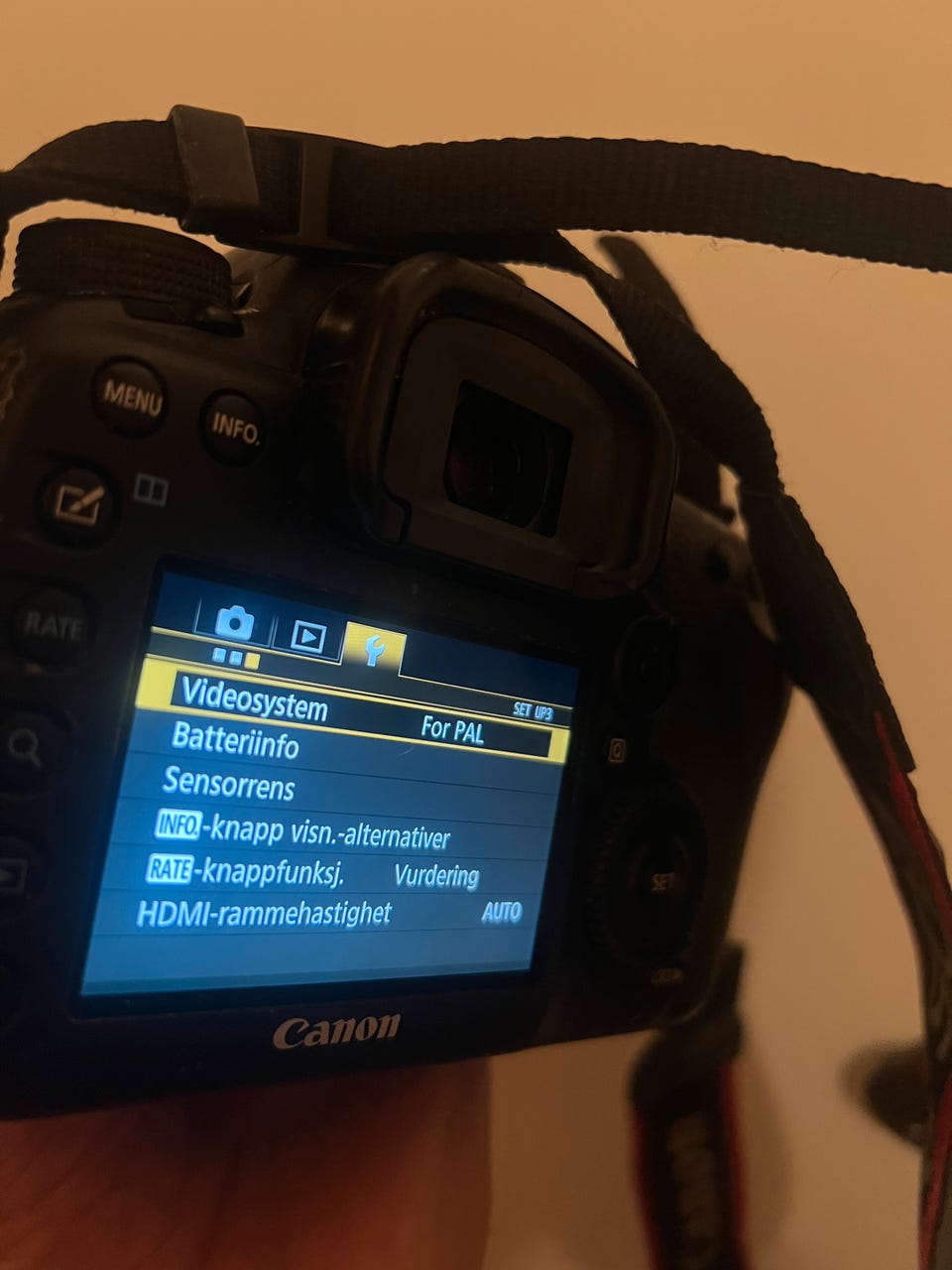
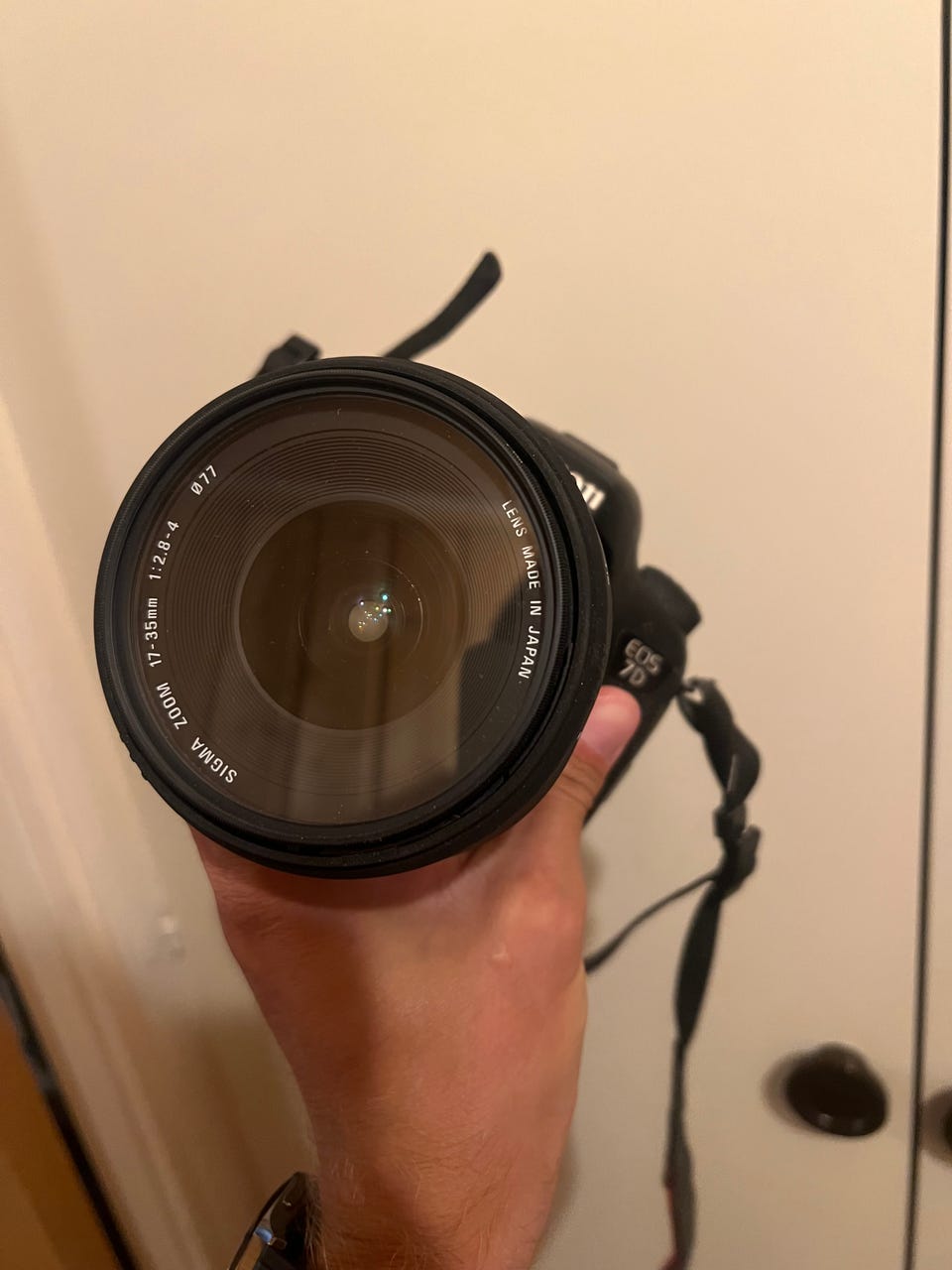
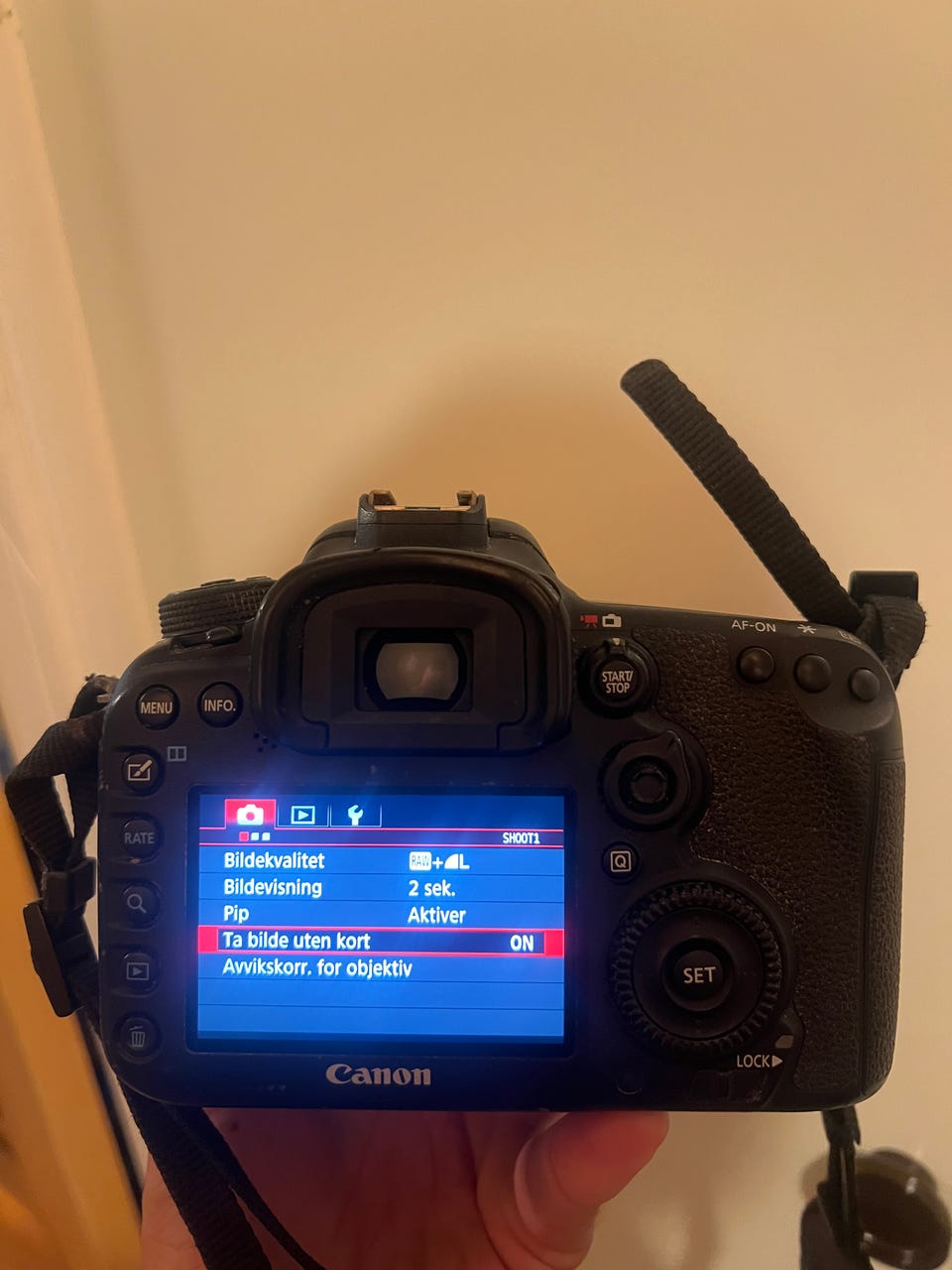
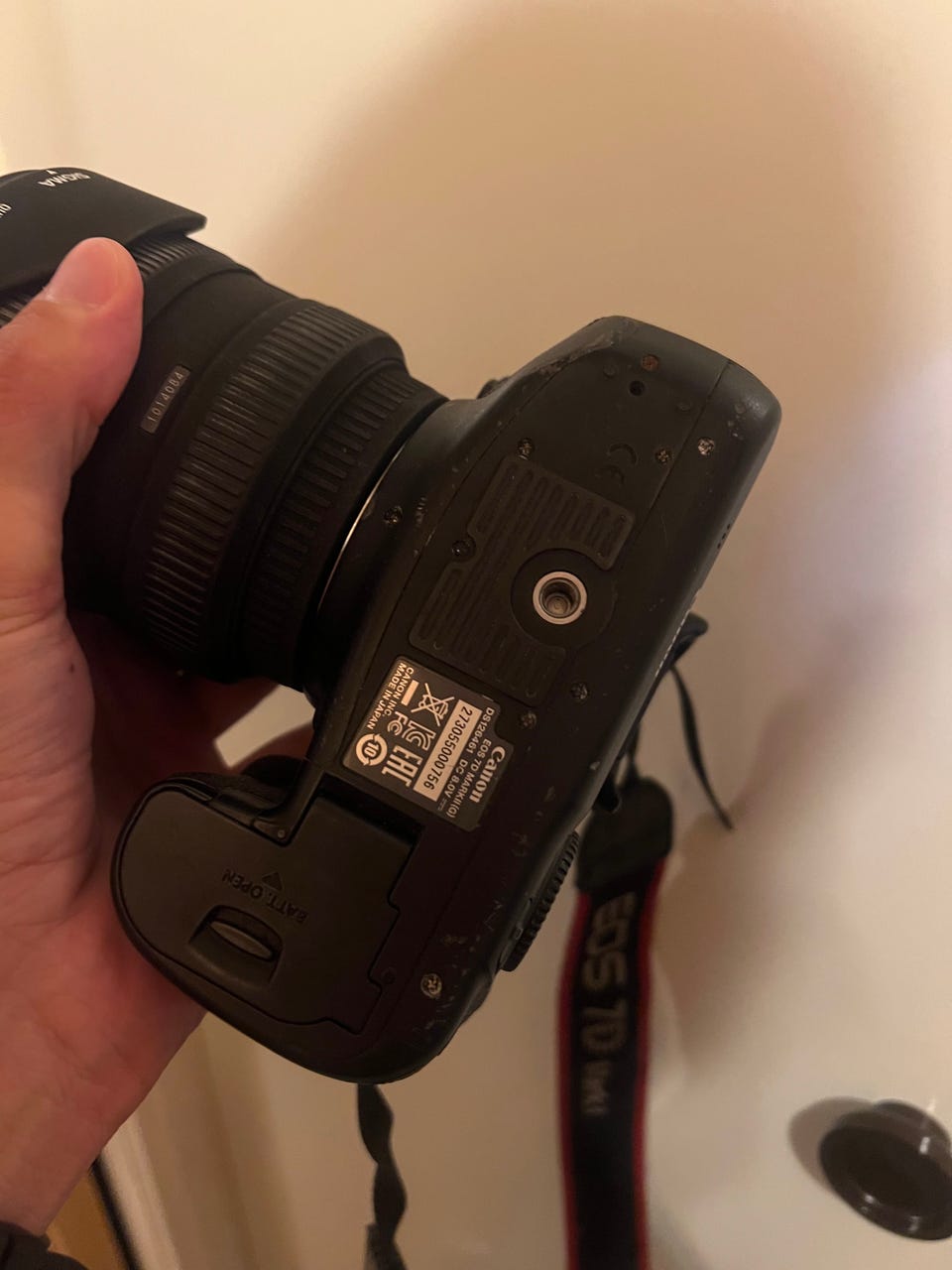
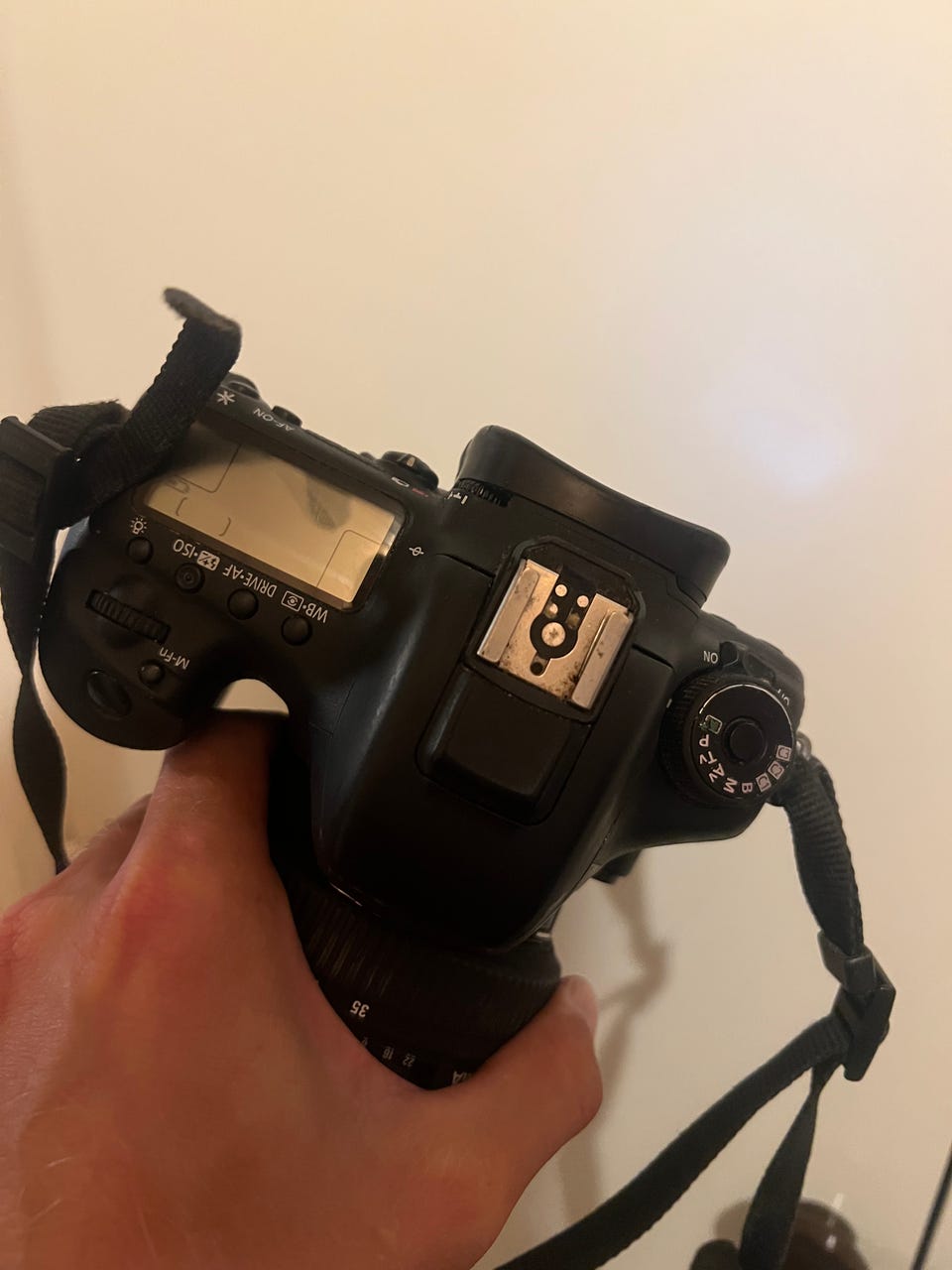
Proff vidvinkel 17-35mm 2.8 med «gratis» Canon 7D mark II !!
Til salgs
1 990 kr
Beskrivelse av varen
Godt brukt Canon 7D Mk2 med Sigma sin 17-35mm 2.8-4. Selges samlet og ekstremt billig! Førstemann til mølla via fiks ferdig! Kommer med frontdeksel, kameradeksel, batteri, filter og bakdeksel. Thats it.
Har en 55-200mm og Canon 350d pluss en del ekstra som kan selges for kun 2400 totalt! Si fra i så fall!
Enkelte knapper sitter fast og jeg forstår meg ikke helt på hva som fungerer og ikke. På Auto tar den supre bilder med AI fokus, pga tilstand på kamera så følger den mer eller mindre med gratis! Objektiv derimot er en GEM! Unik til sin pris!
The Canon 7D Mark II is the world's best camera for shooting indoor or night sports. Unless you have installed special lighting at the arena so you can use an older pro camera like the Canon 1D X or Nikon D4S, the new 7D Mk II has a special new flicker-compensating feature that lets you get consistently great photos without the random dark frames caused by most artificial lighting.
Even in daylight, the 7D Mk II is the best camera for less than $6,000 for shooting any kind of action because of its extremely high 10 FPS frame rate. Only a huge $6,500 pro camera goes faster.
The 7D Mk II is the world's fastest APS-C camera and has more processing power than any EOS camera. It's faster than any of Nikon's pro DX cameras like the D2HS. For sports, unless you're a full-time Sports Illustrated shooter with a $6,800 Canon 1D X or Nikon D4S, the 7D Mk II just became the new world's best sports camera, in most artificial light, no camera is better at any price.
The 7D Mark II's AF sensor array covers most of the frame, unlike full-frame cameras whose AF areas are still all stuck in the middle. Will this lead to pros abandoning the 1D X and Nikon D4S so we can focus all over our frame? It just might! Who said this was a consumer camera? Its shutter is rated for 200,000 shots!
The 7D Mk II super-fast and technically and ergonomically top-notch. Besides having essentially the same resolution as full-frame, high ISO performance is also spectacular. It's not 2007 anymore; today APS-C is technically magnificent as well.
The Canon EOS 7D Mark II feels just as solid as the original, if not more so. The first time you pick it up you realize this is a camera that's been designed to get used, and get used a lot. I felt no qualms about taking it anywhere, and throughout my use it endured bumps, bangs, and a few rather wet moments (courtesy of our Seattle rain) with aplomb.
Ergonomics and Controls:
If you're coming from a 7D you should feel right at home on the Mark II. There are a few ergonomic changes going on, but they're all for the better in my opinion. A few of the rear buttons have changed positions or been relabeled, and the 7D now looks and feels almost identical to its big brother, the EOS 5D Mark III.
Canon has clearly put an emphasis on consistency of controls across the 5D and 7D lines, suggesting that it sees this camera as one that a 5D III user might add to their kit for situations where fast action shooting or telephoto reach are of prime importance (for reference, an equivalent crop from the 5D III sensor equates to around 8.4MP). To Canon's credit, this consistency of design works really well. After using the 7D II for a while I picked up a 5D III and the transition was virtually seamless.
I say virtually, because it turns out the 7D II does include one important new control: The AF Area Selection Lever, which sits on a ring surrounding the joystick on the back of the camera. This control is making its debut on the 7D II, and it's a fantastic addition. The lever's official name, referring to its ability to select the AF area, is a bit of a misnomer as it can be assigned to perform any number of useful functions.For sports, especially with the world's first system that can "shoot through" flickering stadium lighting, the Canon 7D Mark II is the world's best indoor and night sports camera, better than the Canon 1D X and Nikon D4S unless you install a whole-arena strobe system or high-frequency ballasts. If you're shooting indoor or night sports at anything other than a major national venue, you'll need this 7D Mk II. This flicker shoot-through feature synchronizes your shutter automatically so you don't get random dark or color-shifted images.
The 7D Mk II is also a spectacular camera for every other kind of use. If you think you want one for general photography, landscapes, portraits or action, get one!
Only if you shoot subjects that don't move and really do exhibit at mural size or larger on a regular basis (few do), would I get a full frame camera like the 6D or 5D Mark III instead.
I've always loved the original 7D, and now the long-awaited 7D Mark II is everything the original 7D was — and a whole lot more. Heck, just look at my four-year-old Hawaii photos from the old 7D, and imagine that same quality at 10 frames per second with even better metering.
For under $1,800, my kids call this a "triple-nipple duh." The 7D Mark II is the obvious gotta have, especially for any kind of sports shooting unless you already have a $6,500 flagship.
If you like to carry too much, I use my 24-70/2.8 L II because I already own it for my full frame cameras. If you don't already own it, it's way too big and heavy to buy for use on APS-C, but it is an ideal focal range for APS-C cameras. If I shot my 7D full time instead of my full-frame, I'd buy the 18-135mm STM for it.
Telephoto
Canon 55-250mm STM
Canon 55-250mm STM.
For tele, the Canon EF-S 55-250mm STM is marvelous, small, light and inexpensive.
For a tougher pro-level tele, I own the 70-200/4 L IS; the f/2.8 models are too big and heavy, and we don't need f/2.8 with the insane high ISOs of the 7D Mk II; f/2.8 was for 35mm film.
If you like carry too much, the Canon 100-400mm IS L II has replaced all 70-200mm lenses because it focuses closer and faster; and it's insanely sharp. I use my 100-400 when I shoot my 7D Mk II because I already own one for full frame; if all I shot was the 7D Mk II I'd get the 55-250 instead for sanity's sake.
The 100-400 has astronomical reach at 400mm, but more importantly, focuses as close as the 55-250 — and the 100-400 focuses almost instantly for shooting sports! I would no longer bother with 70-200mm lenses. For head shots, the bokeh of the 100-400 is even better at 400mm than a 200mm at f/2.8.
Big lenses feel great when looking at them at a friend's house or browsing online, but when you have to carry them all day by yourself, it's a very different story.
Brukerprofil

Du må være logget inn for å se brukerprofiler og sende meldinger.
Logg innAnnonsens metadata
Sist endret: 25.7.2025 kl. 13:16 ・ FINN-kode: 418043076