Bildegalleri
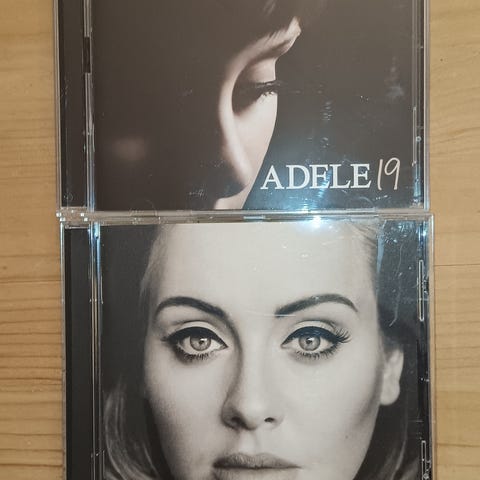
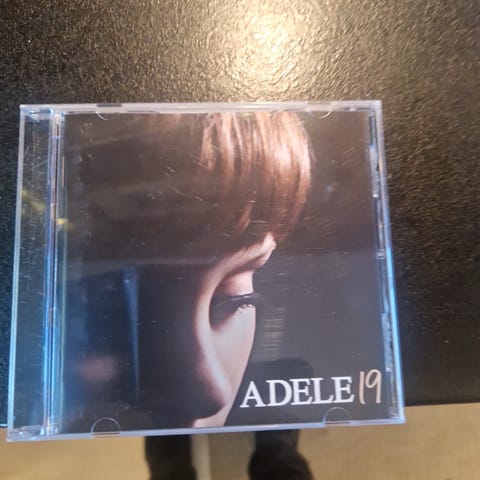
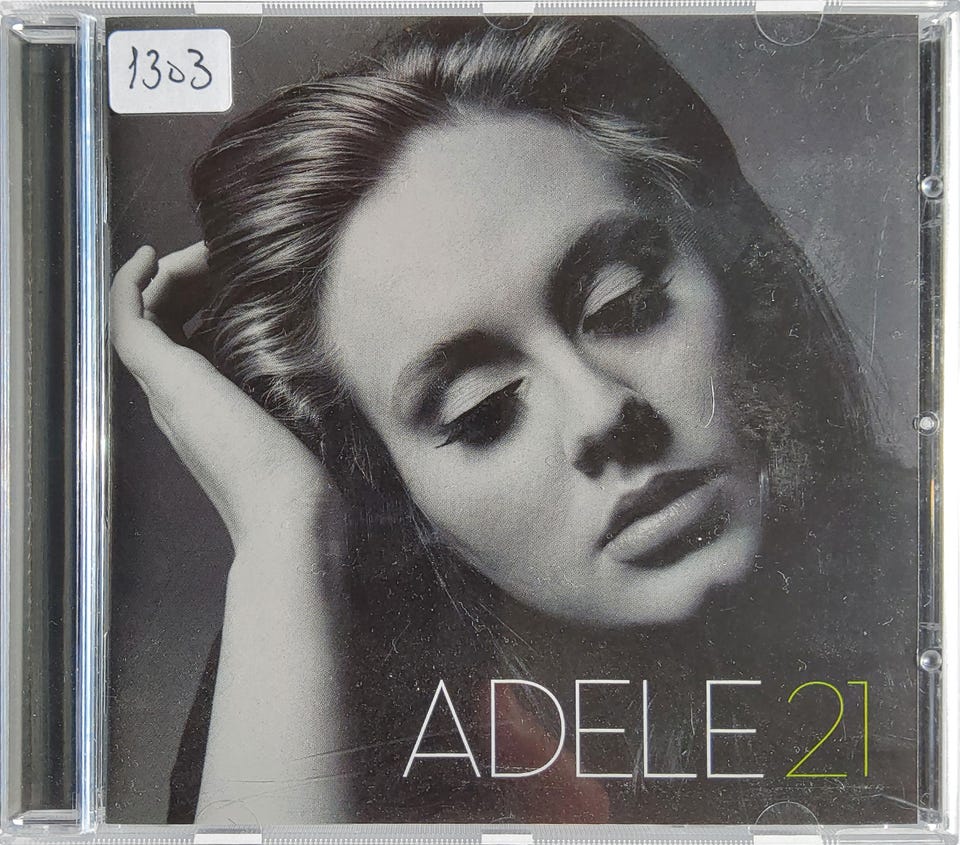
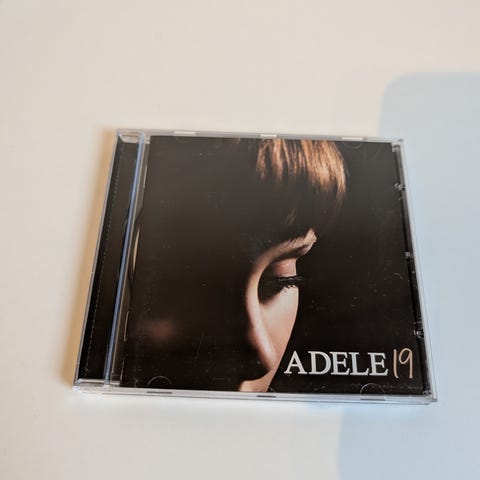
Adele - 21
(1/4)
Adele - 21
Til salgs
75 kr
Be om at selgeren sender med Fiks ferdig! Det er trygt, raskt, og du får varen levert til adressen din. Les mer
Beskrivelse av varen
Selger nå plater, CD’er og DVD'er fra egen samling, som jeg har bygd opp siden midten av 70 tallet.
Samlingen har blitt for stor og jeg velger derfor å legge ut en god del for salg og mere vil bli lagt ut etter hvert.
Samlingen er meget pent behandlet, plater oppbevart i plast cover, og alt er oppbevart i skap.
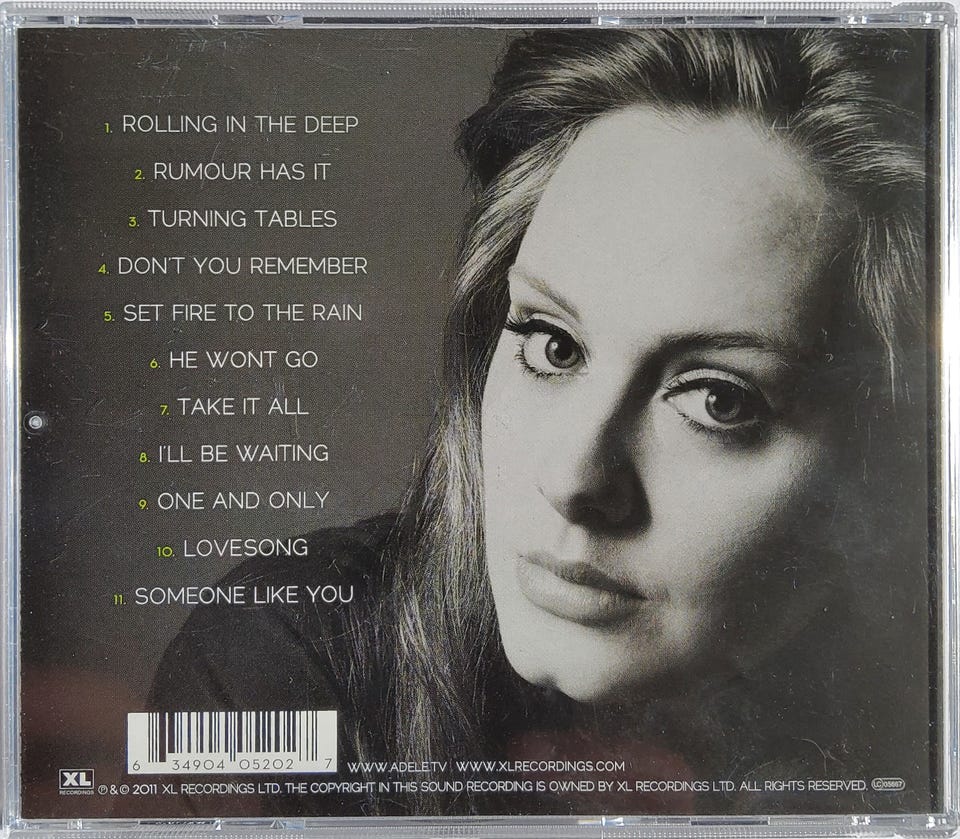
Selger nå en CD av Adele.
Released: 2011 - Europa
Utgitt på / Label: XL Recordings – #XLCD 520
Genre: Jazz - Funk/Soul - Blues - Pop
Style: Soul Jazz - Acoustic - Piano Blues - Neo Soul
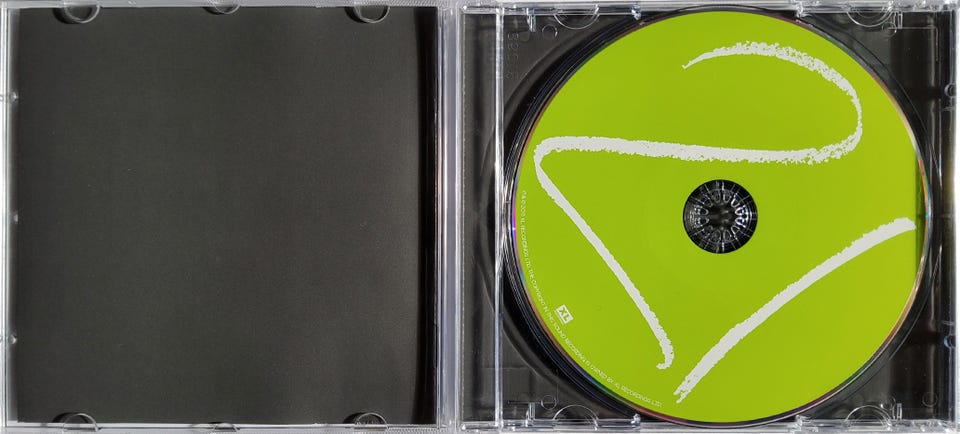
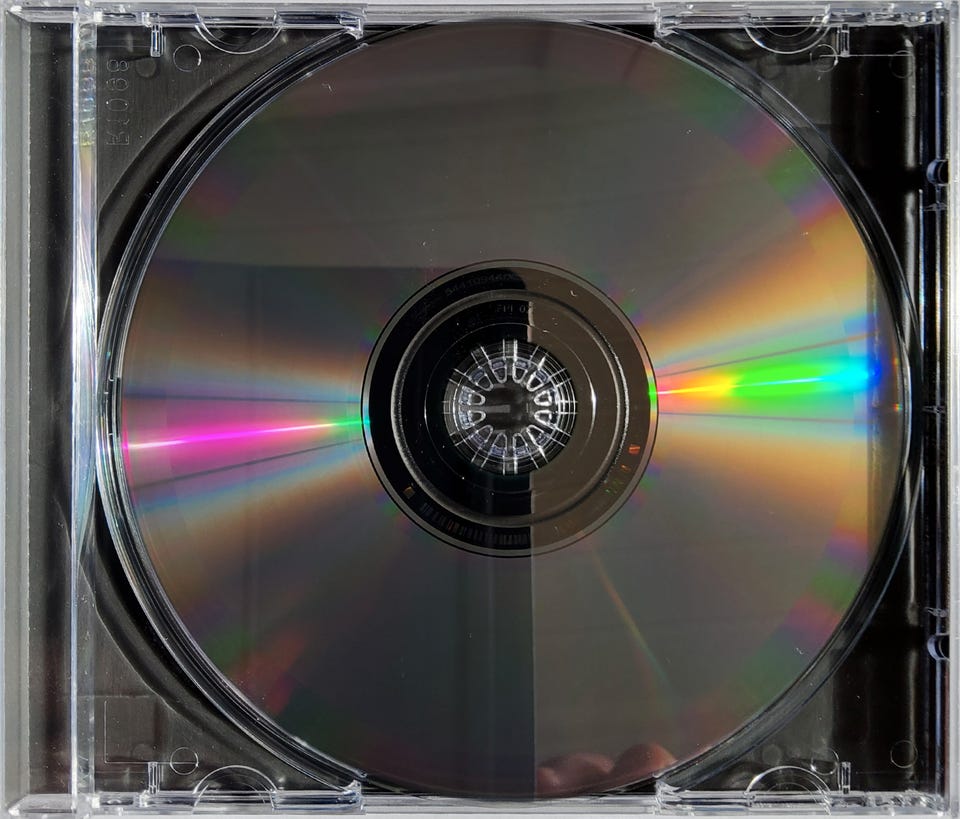
CD NM, omslag NM
Number sticker, øverst venstre hjørne, kan enkelt fjernes.
Wikipedia
Adele Laurie Blue Adkins (/əˈdɛl/; born 5 May 1988) is an English singer-songwriter. Regarded as a British icon, she is known for her mezzo-soprano vocals and sentimental songwriting. Her accolades include 16 Grammy Awards, 12 Brit Awards (including three for British Album of the Year), an Academy Award, a Primetime Emmy Award, and a Golden Globe Award.
21 is the second studio album by the English singer-songwriter Adele. It was released on 24 January 2011 in Europe by XL Recordings and on 22 February 2011 in North America by Columbia Records. The album was named after the age of the singer during its production. 21 shares the Motown and soul influences of her 2008 debut album 19, but also draws influence from the American country and Southern blues music that Adele started listening to during the North American leg of her tour An Evening with Adele. Composed in the aftermath of the singer's separation from her then partner, the album explores themes of heartbreak, healing, introspection, and forgiveness.
Adele began writing 21 in April 2009, while still involved in the relationship that subsequently inspired the record. Looking to deviate from the brooding sound of her first album, she had intended to compose a more upbeat and contemporary follow-up. However, studio sessions ended prematurely due to a lack of inspiration. She resumed production immediately after the breakdown of her relationship, channelling her heartbreak and depression into her songs. Adele collaborated with various songwriters and producers, including Columbia Records co-president at the time Rick Rubin, Paul Epworth, Ryan Tedder, Jim Abbiss, and Dan Wilson.
21 defied the modest commercial expectations of her independent record label, XL. A sleeper hit, it topped record charts in more than 30 countries and became the world's best-selling album of the year for both 2011 and 2012, helping to revitalise the lagging sales of the global music industry. In the United Kingdom, it is the best-selling album of the 21st century and the third best-selling album of all time, while its 23-week tenure atop the UK Albums Chart is the longest by a female solo artist. In the United States, it is the best-performing Billboard 200 album of all time, holding the top position for 24 weeks, longer than any other album since 1985 and the longest by a female solo artist in Billboard 200 history. It was certified Diamond by the Recording Industry Association of America (RIAA), denoting sales of over 10 million copies in the US. In addition, three of the five singles released in its promotion – "Rolling in the Deep", "Someone like You", and "Set Fire to the Rain" – became international number-one songs, while "Rumour Has It" charted in the top 20 in countries across Europe and North America. With sales of over 31 million copies worldwide, 21 is the best-selling album of the 21st century, and the seventeenth best-selling album of all time.
Praised for its understated production, vintage aesthetic, and Adele's vocal performance, 21 was shortlisted for the 2011 Mercury Prize, and won the 2012 Grammy Award for Album of the Year and the Brit Award for British Album of the Year. It has since been ranked amongst Rolling Stone's 500 Greatest Albums of All Time and is included in the book 1001 Albums You Must Hear Before You Die.
In April 2009, 20-year-old Adele, who had recently embarked on her first serious relationship with a man 10 years her senior, began composing the follow-up to her 2008 debut album 19. In response to the media's typecasting her as an "old soul" due to the vintage production and sentimental nature of her songs, Adele decided on a more upbeat and contemporary second album. However, studio sessions were generally unproductive, and after two weeks, yielded only one song recorded to the singer's satisfaction—the Jim Abbiss-produced "Take It All," a lovelorn piano ballad not unlike the songs on 19. Disillusioned with lack of inspiration and the slow progress of the studio sessions, she cancelled the remaining recording session dates.
Adele had written "Take It All" during a difficult moment in her 18-month relationship, which ended shortly after she first played this song for her boyfriend. Heartbroken but musically stimulated, Adele channelled her rush of emotions into her music, crafting songs that examined her failed relationship from the perspectives of a vengeful ex-lover, a heartbroken victim, and a nostalgic old flame.
Writing for the album began shortly after Adele separated from her lover. Within a day of her break-up, she contacted producer Paul Epworth, intent on capturing her emotion in a song: "We'd had a fuming argument the night before, I'd been bubbling. Then I went into the studio and screamed." Although she had initially planned on completing a ballad that she had begun writing with Epworth more than a year ago, the producer suggested that she aim for a more aggressive sound. Together, they restructured the song and rewrote lyrics to reflect Adele's recent experience, deciding on the title "Rolling in the Deep." The instrumentation evolved organically—after trying out various jazz riffs, Adele attempted the first verse a cappella, inspiring Epworth to improvise a melody on his acoustic guitar. A thumping drum beat was set to mimic her racing heartbeat. In two days, a demo was recorded to be produced by Columbia Records co-president Rick Rubin later that year. However, Adele re-approached Epworth months later to complete production of the song.
British producer Fraser T Smith recalled following a similar trajectory when he teamed up with Adele to compose the subsequent third single "Set Fire to the Rain" at his MyAudiotonic Studios in London. After the two had created the demo, Adele revisited her co-writer to record the song with him, instead of the intended producer Rick Rubin. Smith thought Adele's first attempt superior to subsequent takes and used the demo as the final production of the song, complete with live drum sounds and an elaborate strings section (arranged by British musician Rosie Danvers).
With the demos of two songs recorded, Adele approached American musician and OneRepublic frontman Ryan Tedder, who was in London at the time for a radio show. Tedder had expressed interest in collaborating with the singer after they met at the 2009 Grammy Awards ceremony in February. He arrived four hours early to their first studio session, buying time to better familiarise himself with some of her previous work.[19] Although unaware of Adele's personal predicament, he composed the opening piano sequence and the first few lines of what became the lovelorn ballad "Turning Tables": "Close enough to start a war/All that I have is on the floor." Coincidentally, it perfectly captured the experience of the singer, who arrived at the studio moments after another altercation with her former lover. Angry and unfocused, she denounced her ex-lover's tendency to "turn the tables" on her during their arguments, an expression that Tedder decided to reference in the song's lyrics. Adele recorded the demo with Jim Abbiss the following day.
Adele and Tedder arranged a second meeting and reconvened at Serenity West Studios in Los Angeles weeks later to write and record "Rumour Has It". In an interview, Tedder recalled his astonishment at the singer's musicality and vocal prowess after she completed the main vocals to the song in 10 minutes: "She sang it once top to bottom, pitch perfect, she didn't miss a note. I looked at the engineer then at her and said, 'Adele, I don't know what to tell you but I have never had anyone do that in ten years'."
After working with Smith, Tedder, and Epworth, Adele travelled to the United States for the remainder of the album's production. At the suggestion of Columbia Records group president Ashley Newton, she met with songwriter Greg Wells at his studio in Culver City, Los Angeles, where they co-wrote the gospel-tinged ballad "One and Only". The song evolved from a four-chord piano progression in a 6/8-metre, which Wells had conceived before meeting with the singer. The lyrics, aimed at the singer's new love interest, came together quickly and were later completed with Dan Wilson, with whom she also composed "Someone like You". In 2008, Adele's appearance on the NBC sketch comedy show Saturday Night Live caught the attention of producer Rick Rubin. In the initial stage of the album's production, Rubin had signed on as its sole producer and was scheduled to produce all of its songs. The demos she had recorded with Epworth, Smith, and Tedder (including "Rolling in the Deep" and "Set Fire to the Rain") were subsequently rerecorded by Rubin when she met with him in his Shangri-La Studio in Malibu, California, in April 2010.
Rubin, notorious for his unorthodox production style, pushed the singer beyond her comfort zone, and despite being drawn to his unconventional methods, Adele described working with the producer as daunting. Rubin had attended many of her shows throughout 2008–2009, and after a Hollywood Bowl performance, approached her to compliment her live sound. When they met in Malibu, he attempted to "capture her live show across on [her] record," assembling a team of musicians—including drummer Chris Dave, guitarist Matt Sweeney, James Poyser on piano, and Pino Palladino on bass—to contribute live instrumentation to the recording sessions. He also decided against the use of music samples and electronic instruments. An advocate of a more free-form approach to music-making, Rubin relied on the moods and feelings behind the music itself to guide the instrumental and melodic arrangement of the songs. He isolated the singer in the studio and encouraged her, as well as his team of musicians, to approach the production process with more spontaneity and less restraint. The singer even recalled moving the musicians and production team to tears while recording some of the songs. In an interview, he commented on the nature of the recording sessions:
Her singing was so strong and heartbreaking in the studio, it was clear something very special was happening ... The musicians were inspired as they rarely get to play with the artist present, much less singing ... Today, most things are recorded as overdubs on track. This was truly an interactive moment where none of the musicians knew exactly what they were going to play and all were listening so, so, deeply and completely to figure out where they fitted in ... all of the playing was keying off the emotion on Adele's outrageous vocal performance.
After recording the album with Rubin, Adele was dissatisfied with many of the songs. Ultimately, she decided to scrap most of the work done in favour of the early takes she did with other producers, including Epworth and Tedder, in order for the music to reflect the raw emotion felt immediately after her break-up. From her collaboration with Rubin, only five songs appeared on the album: "Don't You Remember," "He Won't Go," "I'll Be Waiting," "One and Only," as well as the U.S.-only track "I Found a Boy." Weeks after her stint with Rubin, Adele learned of her ex-lover's recent engagement, inspiring the composition of the album's final track "Someone like You." Adele's record label was initially dissatisfied with the song's sparse production, which comprised Adele's voice alongside a sole piano, and requested that it be re-recorded with Rubin's band. However, the singer opted to keep the arrangement, stating that the song was personal to her and that she wrote it to "free herself."
21's different from 19, it's about the same things but in a different light. I deal with things differently now. I'm more patient ... more forgiving and more aware of my own flaws ... Something that comes with age I think. So fittingly this record is called 21 ... Like a photo album you see [my] progression and change ... throughout the years. I tried to think of other album titles but couldn't come up with anything that represented the album properly.
— Adele, on the meaning behind the title.
Adele first intended to title the album Rolling in the Deep, her adaptation of the slang phrase "roll deep," which summarises how she felt about her relationship; in her loose translation, the phrase refers to having someone "that has your back" and always supports you. However, the singer later deemed the title too confusing for some of her audiences. Although she had wanted to avoid the number motif of her debut, Adele considered "21" the most fitting title as it represented her age at the time of the album's composition, serving as an autobiographical period piece and symbolising the personal maturity and artistic evolution since her debut.
Frakt vil komme i tillegg, kan sendes med PostNord til kr 79,- pakke opp til 5 kg.
Pakkes godt i spesial emballasje for plater.
Ved kjøp av flere plater fra meg, for over kr 1 000,-, spanderer jeg frakten.
Du finner flere annonser fra meg, ved å klikke på navnet mitt og velge flere annonser.
NB: Knappen for å vise hele beskrivelsen har kun en visuell effekt.
Brukerprofil

Du må være logget inn for å se brukerprofiler og sende meldinger.
Logg innAnnonsens metadata
Sist endret: 5.7.2025 kl. 11:24 ・ FINN-kode: 411284938
Utforsk våre nye sider for klær og mote
Ta en titt