Bildegalleri
(1/9)
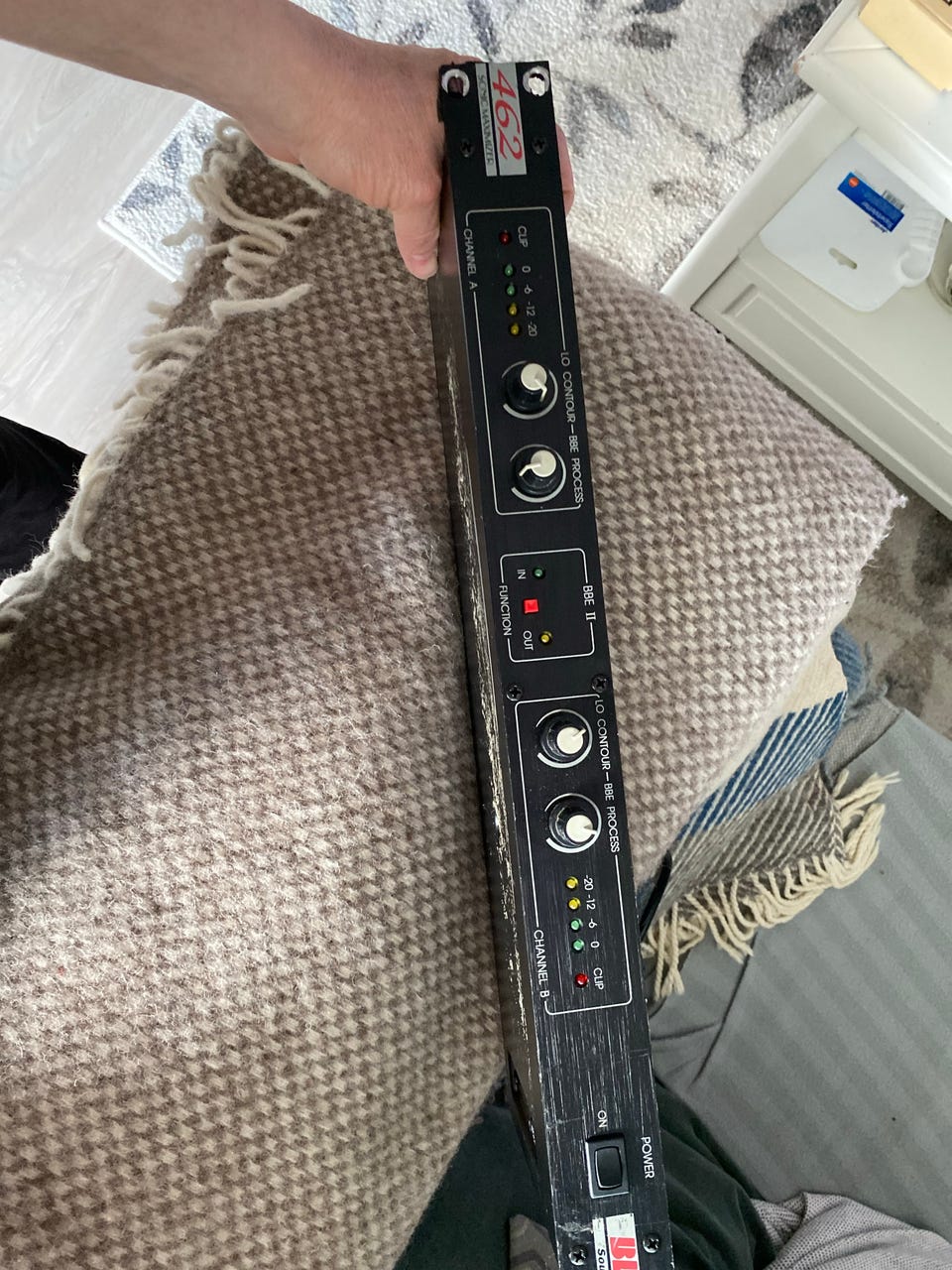
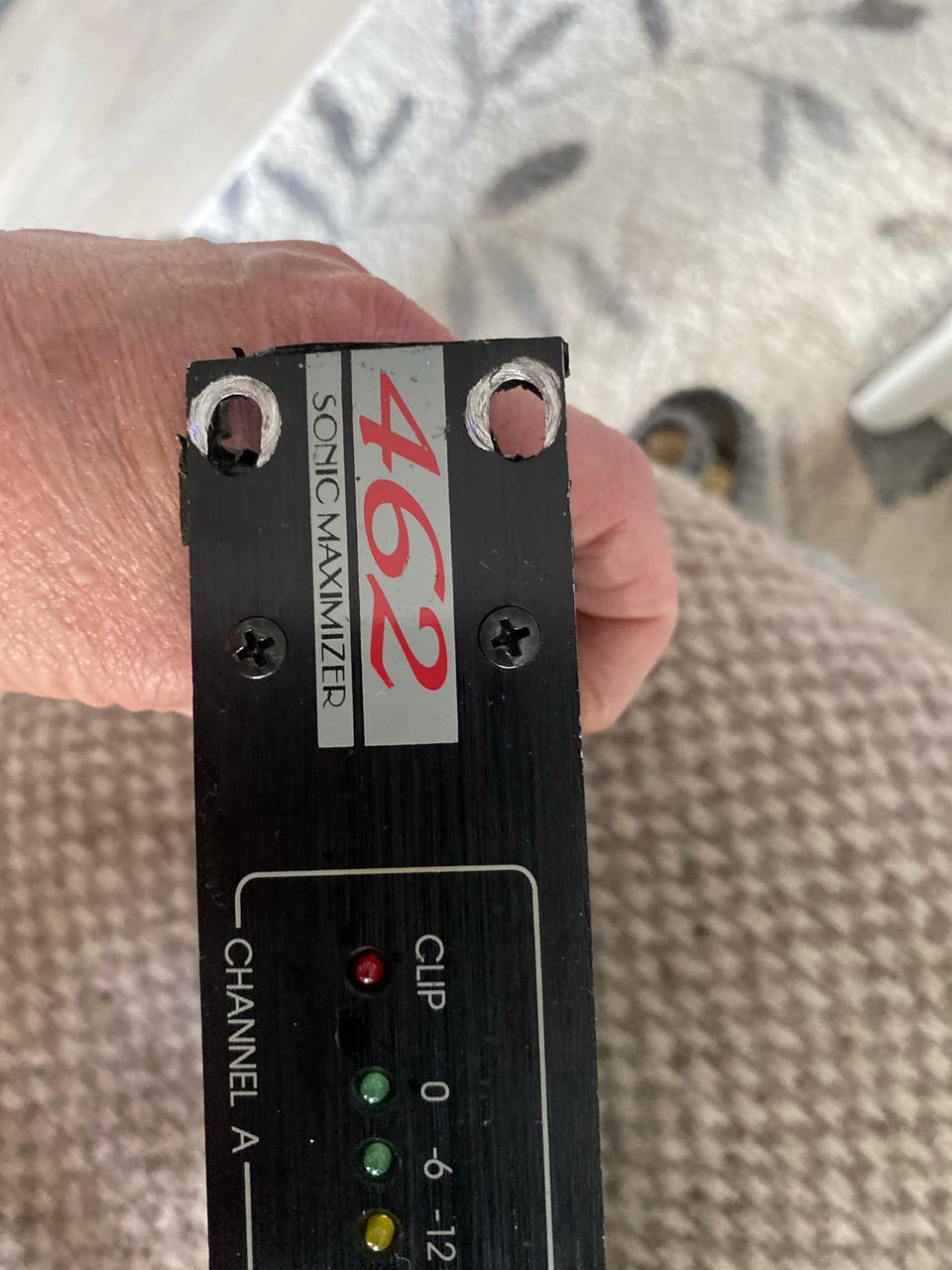
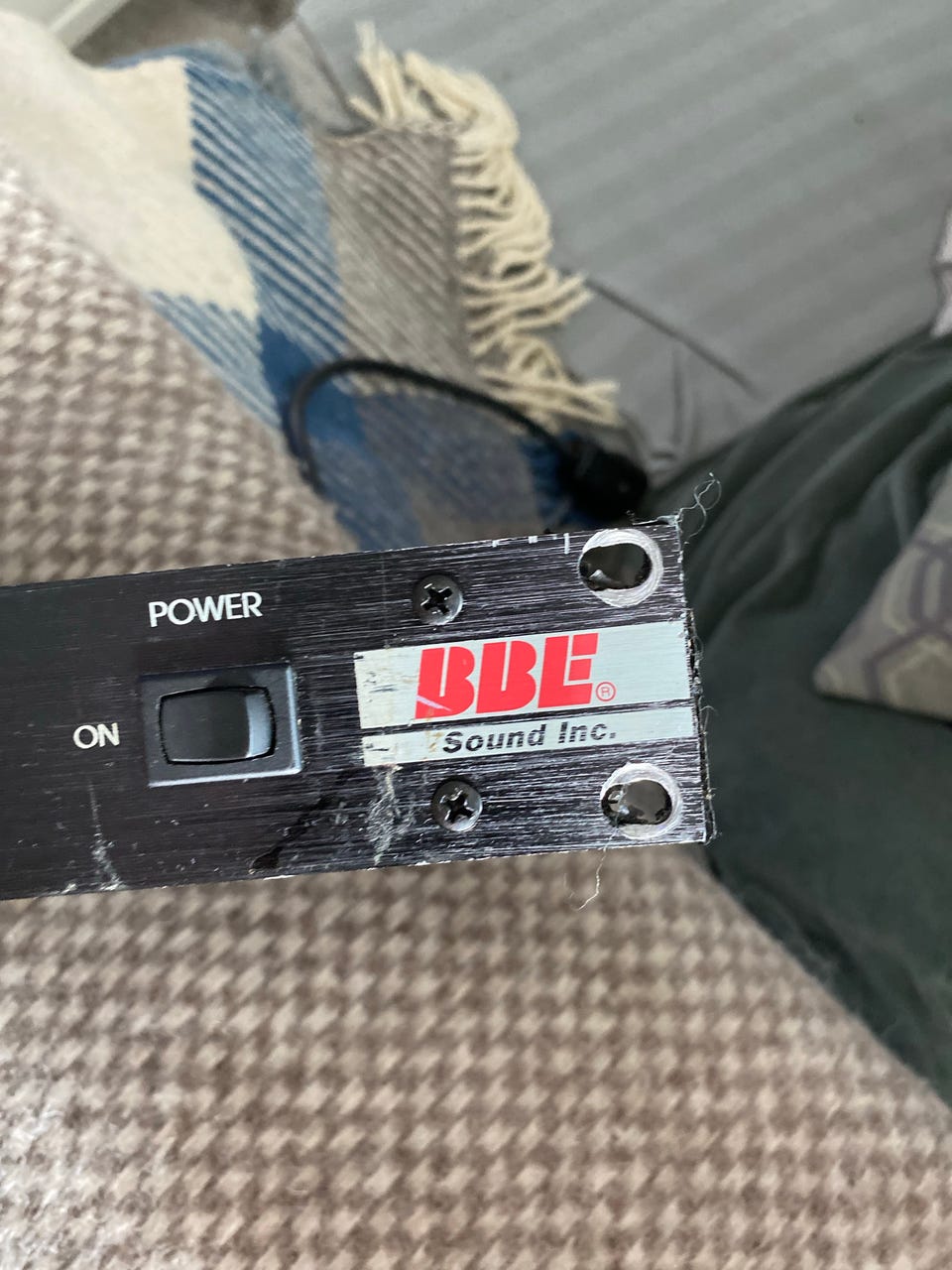
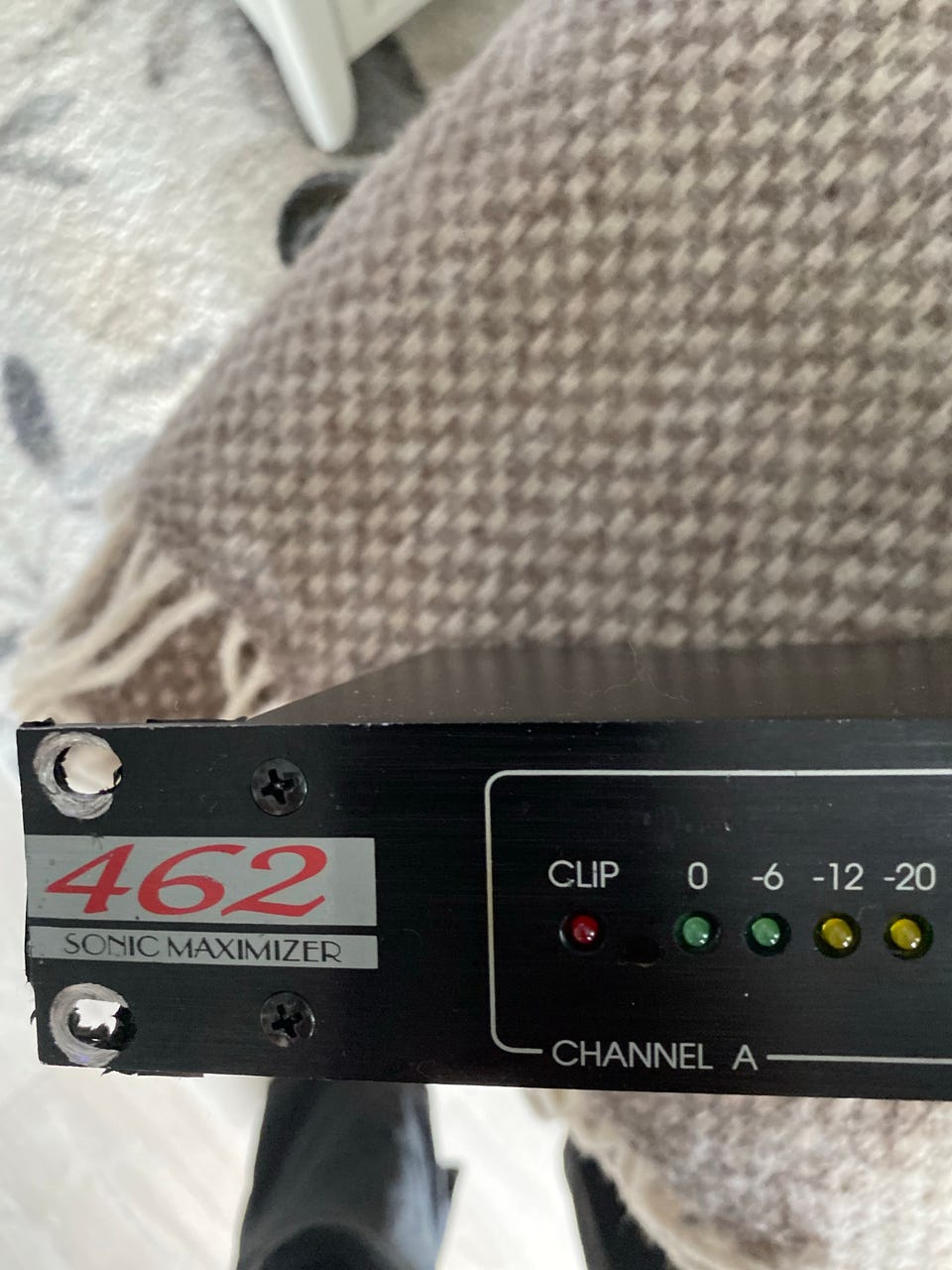
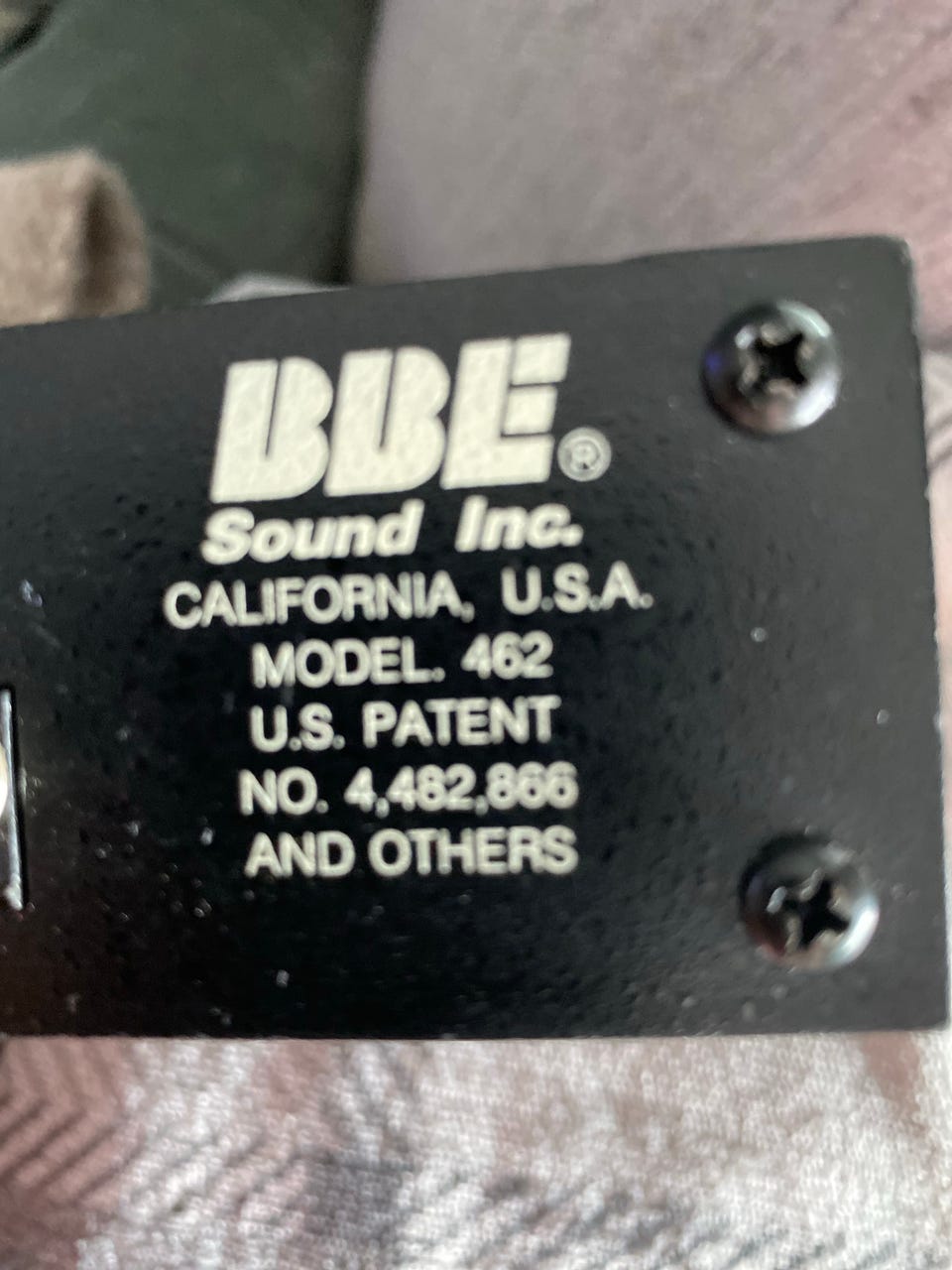
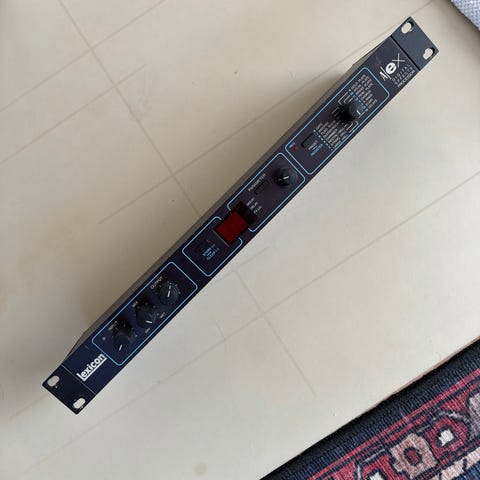
Bbe 462. Reservert
Til salgs
600 kr
Be om at selgeren sender med Fiks ferdig! Det er trygt, raskt, og du får varen levert til adressen din. Les mer
Beskrivelse av varen
Tilstand: Godt brukt - Synlig brukt
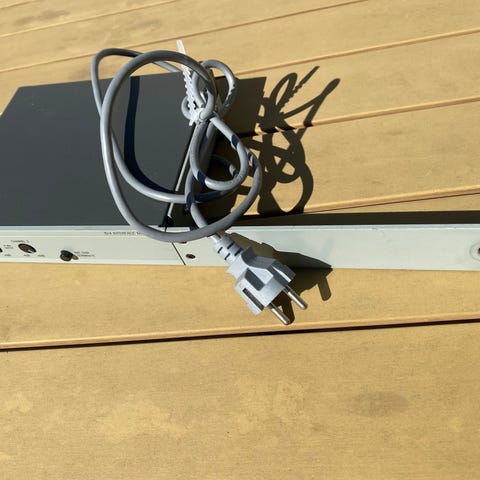
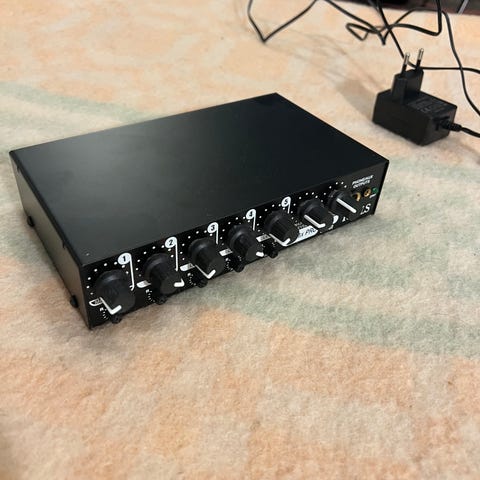
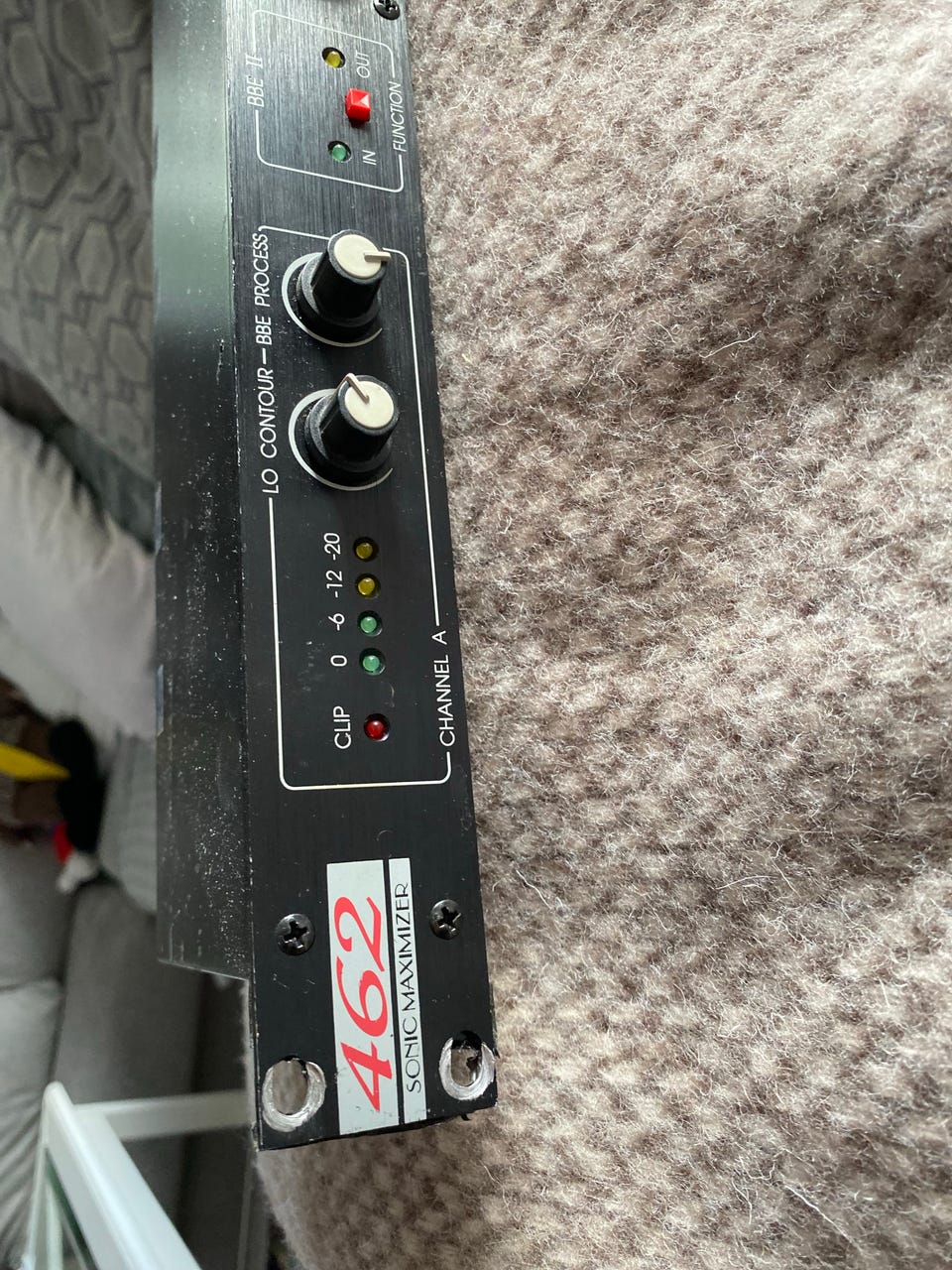
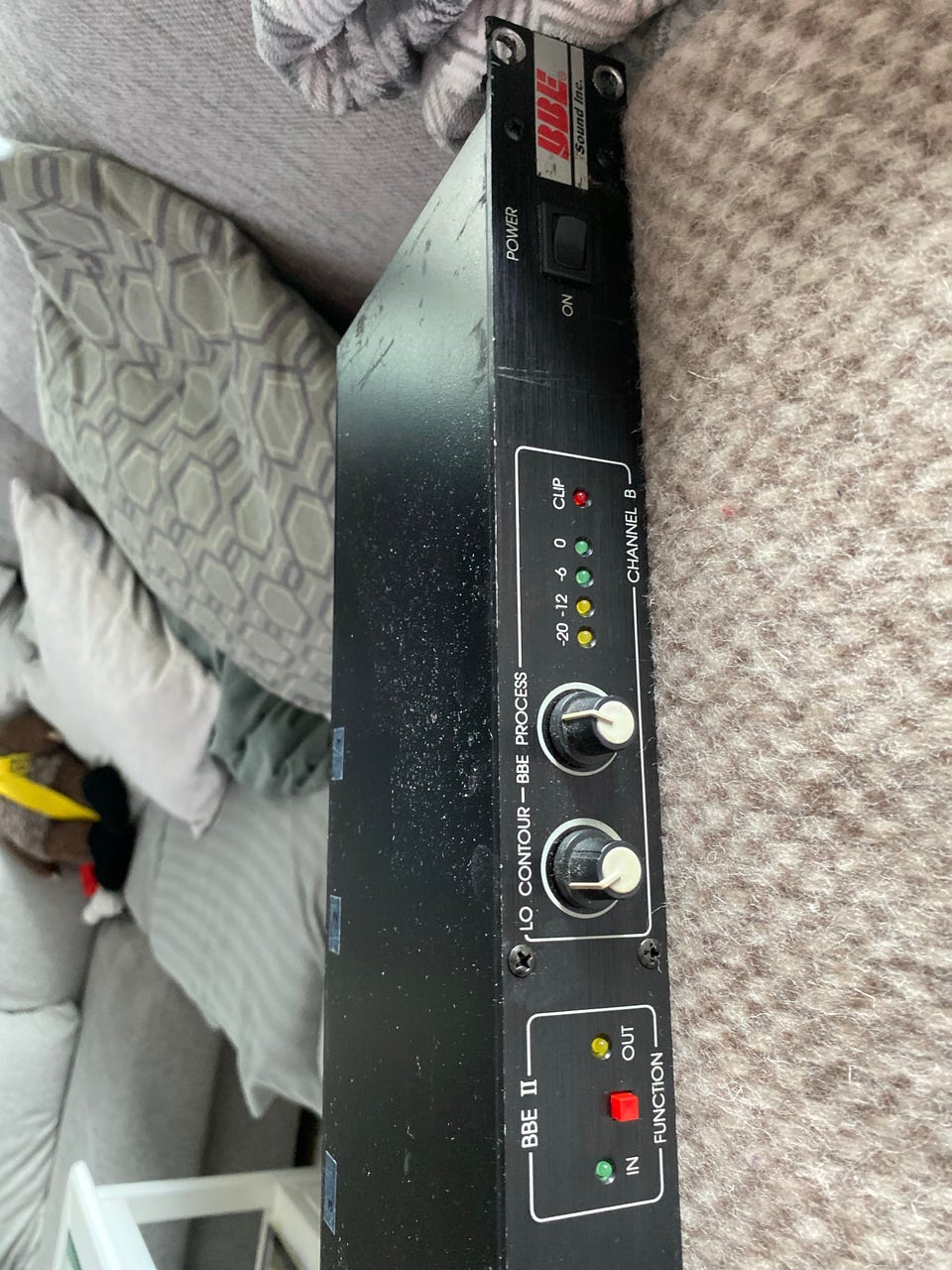
BBE Sonic Maximizer Model 462
Enhancer
Signal Processors
By Paul White Published February 1994
BBE's Sonic Maximizer has been with us for several years now, earning itself a reputation as one of the sweeter sounding enhancers on the market. Paul White studio tests the latest incarnation, the 462, which benefits from extensively redesigned circuitry.
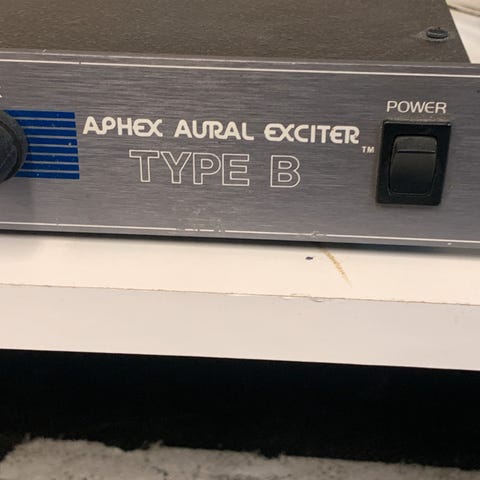
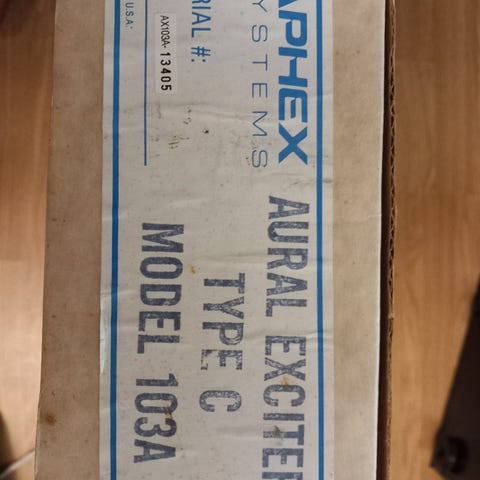
When Aphex first invented the Aural Exciter, they can have had little idea that their work would inspire a whole genre of sonic enhancers, based on a wide range of operating principles. The patented Aphex process works by synthesizing additional high frequency harmonics related to the original signal, but BBE chose to travel a different route, basing their process on a combination of dynamic equalisation and phase manipulation. To augment the high frequency enhancement of the BBE process, the new Model 462 features a Lo Contour control which adds power to the bass end of the spectrum. Few details are provided to explain how this works, but reading between the lines, it appears to be another form of dynamic equalisation.
For those unfamiliar with dynamic equalisation, here's how it works: imagine an equaliser whose level of boost is related to the level of the signal being treated. When there's no signal present, there's no boost, and when the signal level is high, maximum boost is applied. Such an approach has many advantages; it can help emphasise transient sounds without adding any noise when the input signal is low, as would be the case with a conventional boost equaliser.
The phase manipulation side of the process is described as a linear phase shift across the whole audio spectrum corresponding to a delay of under 2ms. This is intended to prevent the high frequency detail from being smeared by the low frequency components of the sound and increases definition without boosting level.
The 462
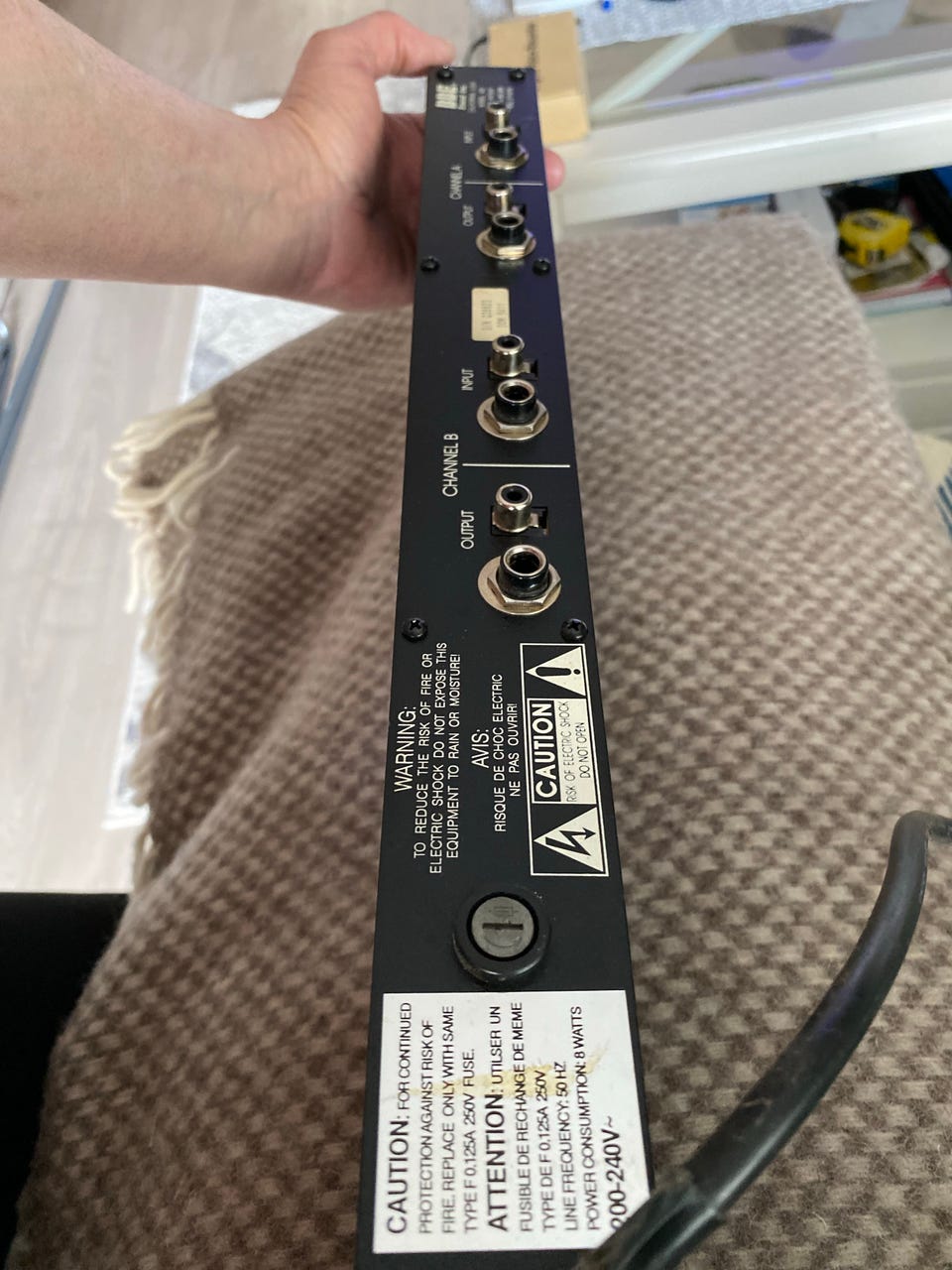
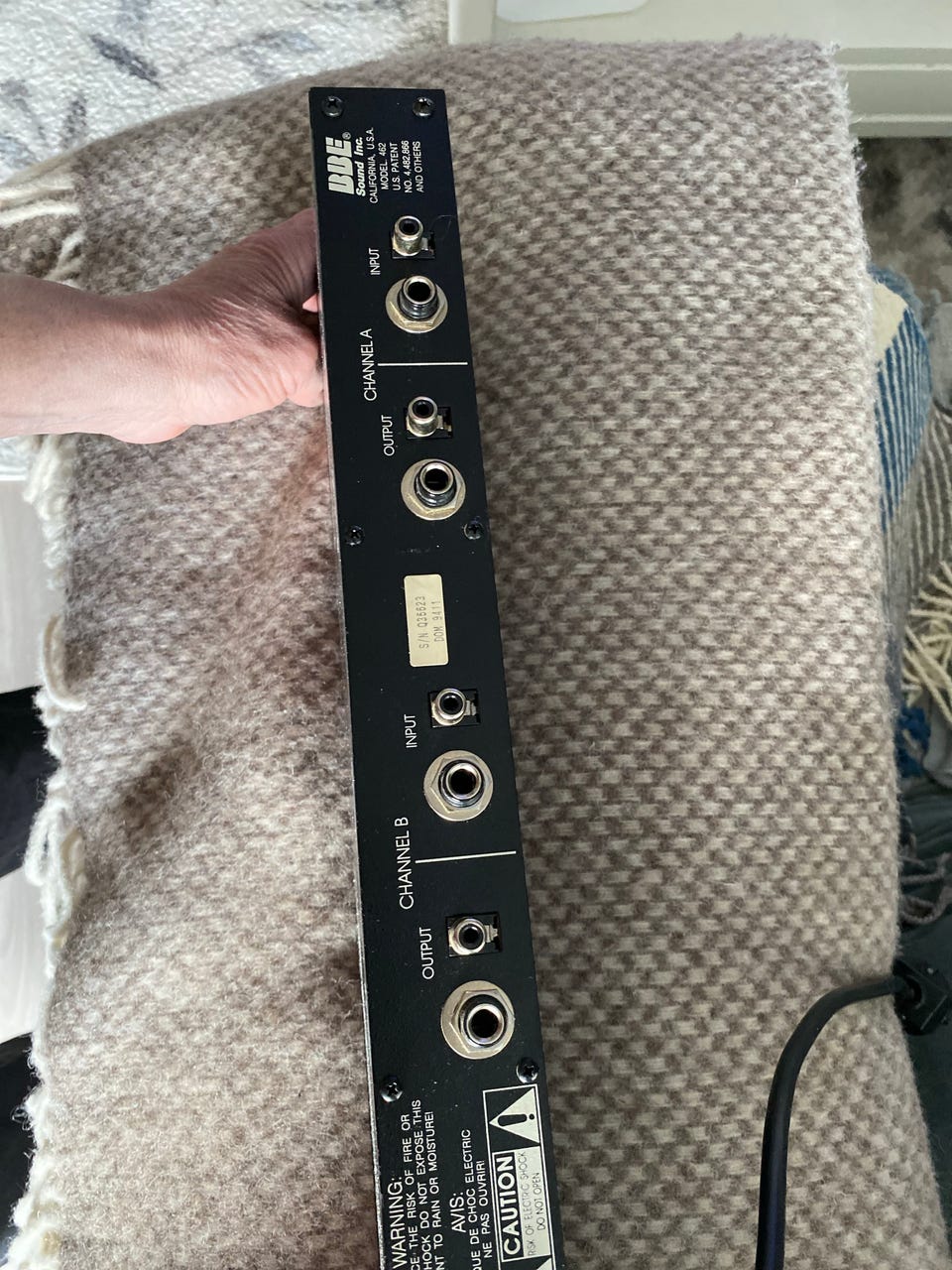
Housed in a mains powered, 1U rack case, the BBE 462 is a true two‑channel device with just two controls per channel. Both phono and unbalanced jack connections are provided for signal connection and the system has sufficient headroom to work with either ‑10dBV or +4dBu signals. Each channel is equipped with a simple LED metering system which monitors the output level of the unit, and the Bypass button operates on both channels simultaneously.
Unlike the early Aphex units and similar enhancers, there is no need to set up a Drive level; once the unit has been patched in (ideally via insert points), the BBE's Process control is used to add brightness and clarity while the Lo Contour control allows for either bass enhancement or bass cut in the 50Hz region of the spectrum. In its centre position, the Lo Contour control contributes nothing to the sound, boost only being applied as it is advanced clockwise from this position. Anti‑clockwise of centre, the control acts as a bass cut. As long as the level meters stay below the clipping level, all that's required is to adjust the control until the sound is 'right'.
In Use
Since the operating principle of the 462 is based on dynamic equalisation, the end result depends very much on the dynamics of the incoming signal. For example, used on a constant level 'pad' sound, the result isn't far removed from what you'd expect when using a conventional equaliser. Conversely, a dynamically active signal such as a drum track or percussive bass line is treated in a far more positive manner. Transient details — such as snare drum beats and cymbal hits — take on extra sparkle, while more subtle sounds — such as reverb and intricate keyboard textures — seem to open up, allowing the individual sounds in a mix to shine through rather than burying each other. Similarly, the bass enhancement helps to make a bass line or bass drum sound punchy without unduly clouding what goes on between the beats.
Verdict
How does the BBE process stand up to competing approaches to enhancement? On the plus side, the BBE process offers smoothness and quietness. Low level sounds are left untreated, so you don't tend to get an increase in background noise during quieter passages, while at higher settings the sound doesn't develop the raw edge that some types of enhancer seem to generate. If used to excess, the sound can become obviously equalised and even a little 'honky' in character, but it never actually becomes rough. On the downside, the very fact that the BBE process doesn't generate any new harmonics means that it is less capable of revitalising an overtly dull sound; it still has to work on what is already there.
On balance, the BBE process has proved itself over the years to be both flexible and controllable with many applications — from overall mix sweetening to beefing up individual instruments or voices in a mix. Personally, I feel that the BBE process works best where the existing sound source is already 95% right, allowing the Sonic Maximizer to add the final gloss without interfering with the underlying character of the sound. If your original material is noticeably limp or dull, however, then one of the less subtle enhancement processors might prove better at achieving the desired result.
NB: Knappen for å vise hele beskrivelsen har kun en visuell effekt.
Brukerprofil

Du må være logget inn for å se brukerprofiler og sende meldinger.
Logg innAnnonsens metadata
Sist endret: 17.4.2026 kl. 11:44 ・ FINN-kode: 460009726
Utforsk våre nye sider for klær og mote
Ta en titt