

Bildegalleri
(1/13)
Dikt av Luis de Camoens, 1810
Til salgs
1 750 kr
Gratis frakt + Trygg betaling 132 kr
Trygg handel med Fiks ferdig
Etter levering har du 24 timer til å se over varen. Hvis det er noe galt med varen, får du pengene dine tilbake.
Lag en pakke
Kjøp mer fra selgeren og betal bare én fraktkostnad.
Beskrivelse av varen
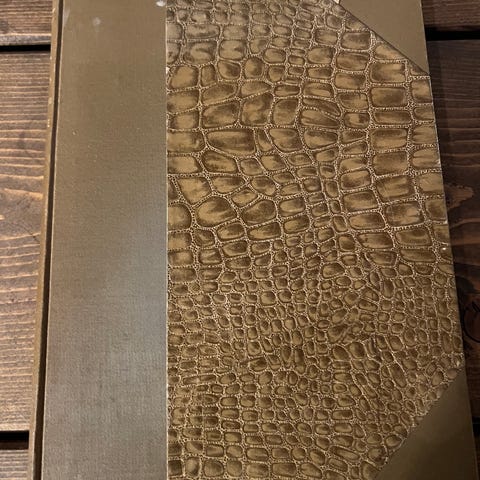
Tilstand: Godt brukt - Synlig brukt
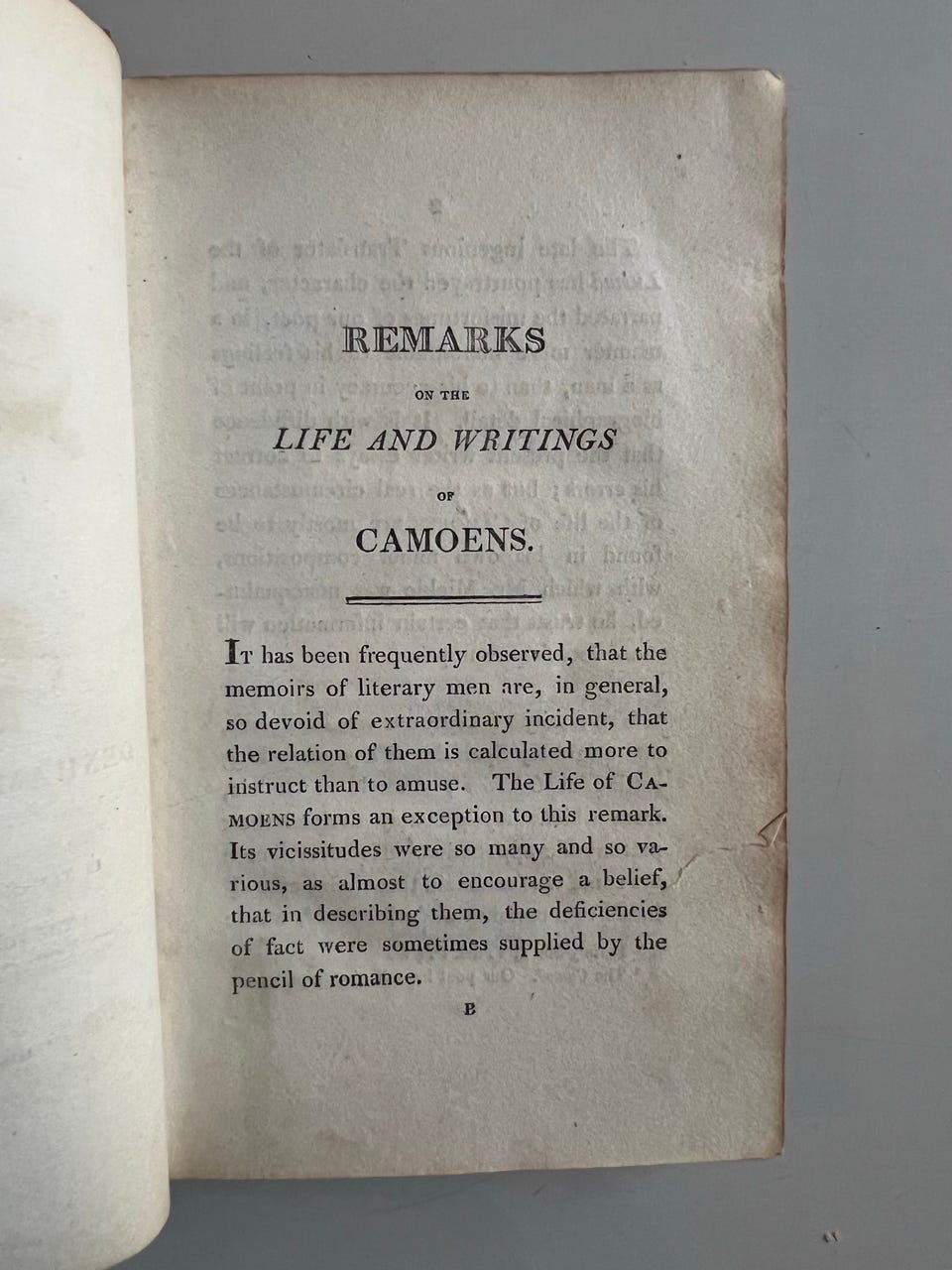
Poems, from the Portugese of Luis de Camoens: with remarks on his life and writings, by Lord Viscount Strangford.
London, 1810
Meget sjelden, antikk
«At some point in the early 1800s, before he was appointed as ambassador to Portugal, Strangford became acquainted with the works of a man who might justifiably be called the ‘Portuguese Shakespeare’: the poet Luis de Camões (1524–80).
Born in Lisbon c.1524, Camões’s father drowned in a shipwreck and he was raised by his mother. He was sent to the University of Coimbra where he was tutored in the classics. Fond of a good life and the odd brawl, in 1552 Camões challenged Gonçalo Borges to a duel. Borges was wounded in the duel, though not fatally, but unfortunately for Camões, Borges was Keeper of the King’s Harness.
Camões was subsequently imprisoned. He was later released on the condition that he serve the Portuguese Empire abroad. So off he went, and his travels took him to Africa and India, where the Portuguese had established a foothold.
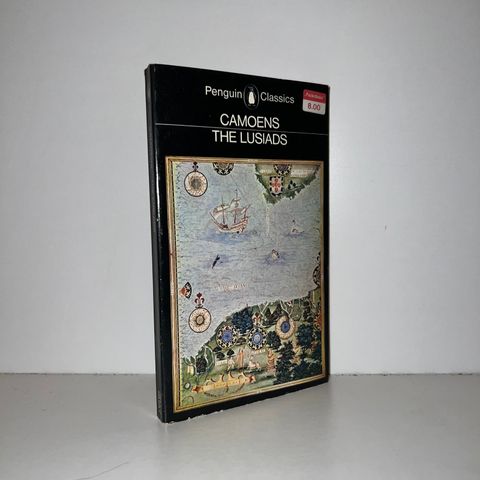
It was Camões’s time spent at sea and in the Portuguese overseas territories that influenced his epic poem Os Lusiadas, or as it is called in English: The Lusiads (1572). Os Lusiadas is an account of Vasco da Gama’s voyages, written in the style of the Aeneid, and is meant to showcase Portugal’s contribution to world culture as the first global, seafaring empire.
What Strangford wanted to do was translate Camões’s little-known (in English at least) sonnets, and the result was Poems, from the Portuguese of Luis de Camoens, published in 1803 (presumably the change to ‘Camoens’ instead of Camões was Strangford’s decision, who probably decided that the change in spelling would have allowed English readers to pronounce it in a similar manner to how the Portuguese pronounced it).
Strangford’s translations were not scholarly but were intended as an introduction to Portugal’s brilliant national poet, and it was certainly admired by others. It was Strangford’s book that influenced Elizabeth Barret Browning to write the poem ‘Catarina to Camoens’ in 1843, and later, between 1845 and 1846, a collection of poems titled Sonnets from the Portuguese, which was later published in 1851.
Brukerprofil

Du må være logget inn for å se brukerprofiler og sende meldinger.
Annonsens metadata
Sist endret: 6.8.2026 kl. 07:10 ・ FINN-kode: 440139433