Bildegalleri
Front
(1/9)
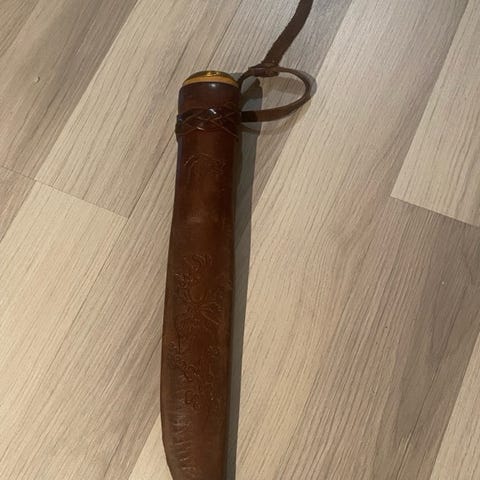
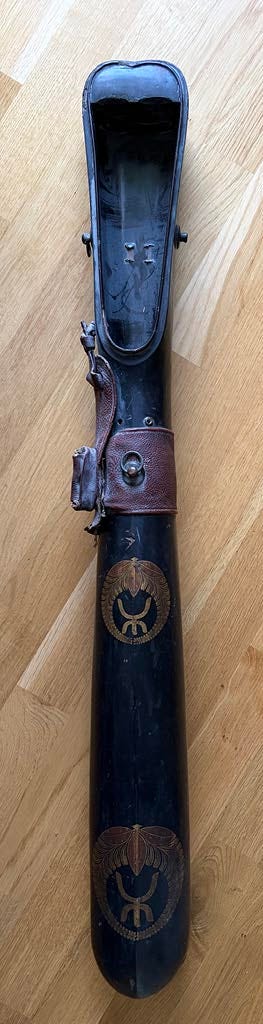
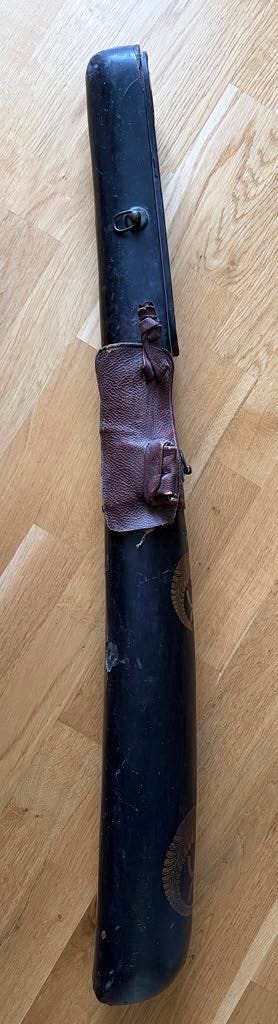
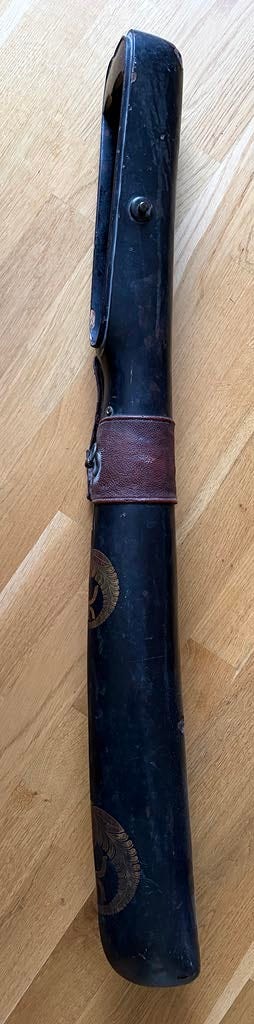
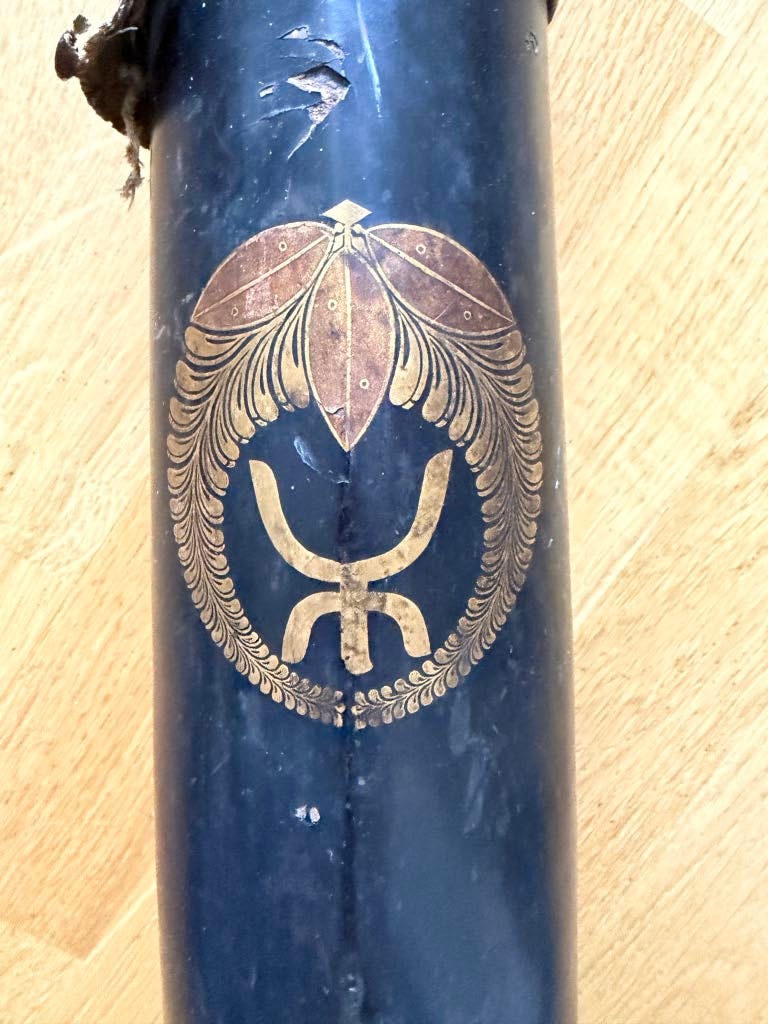
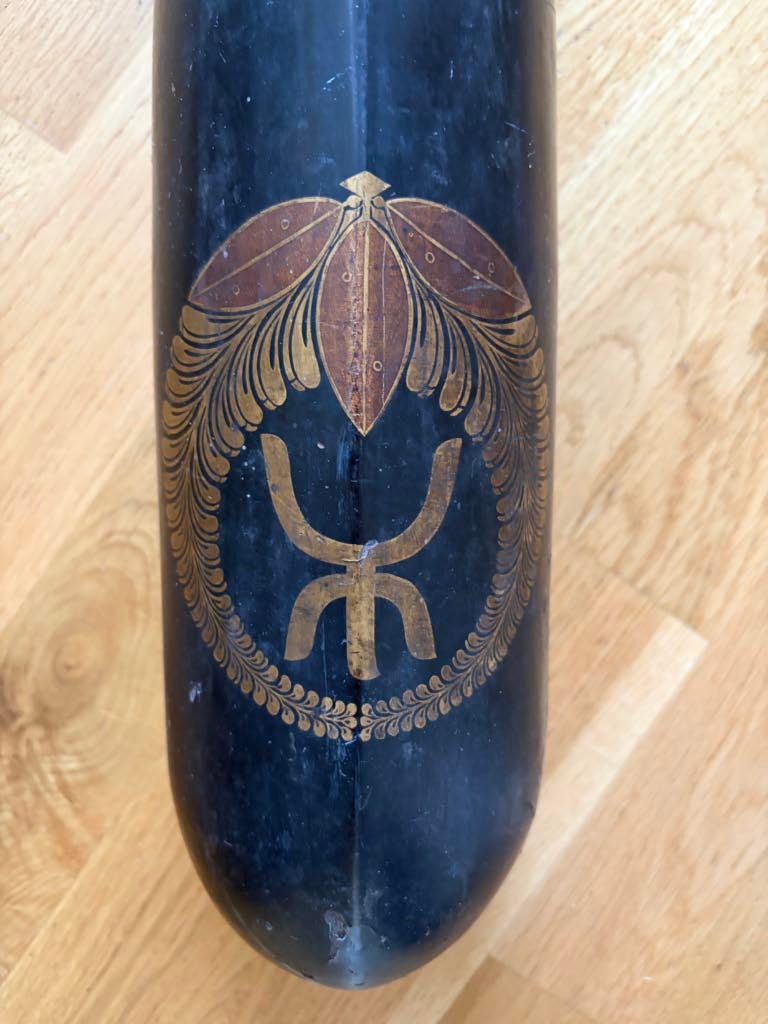
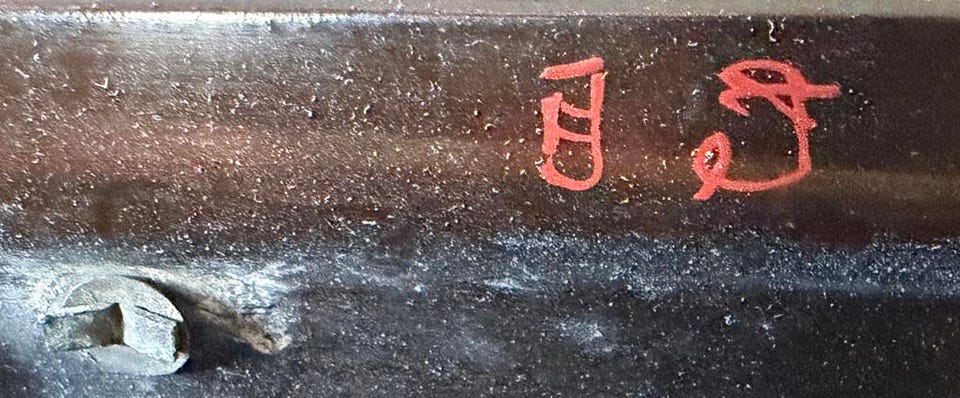
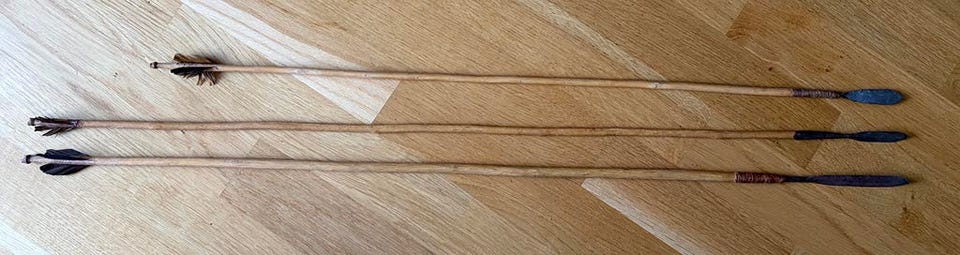
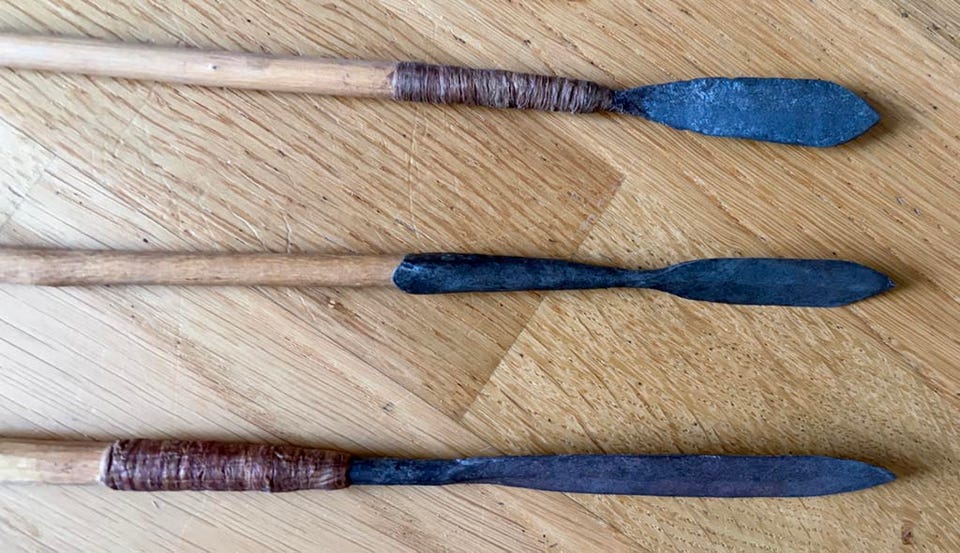
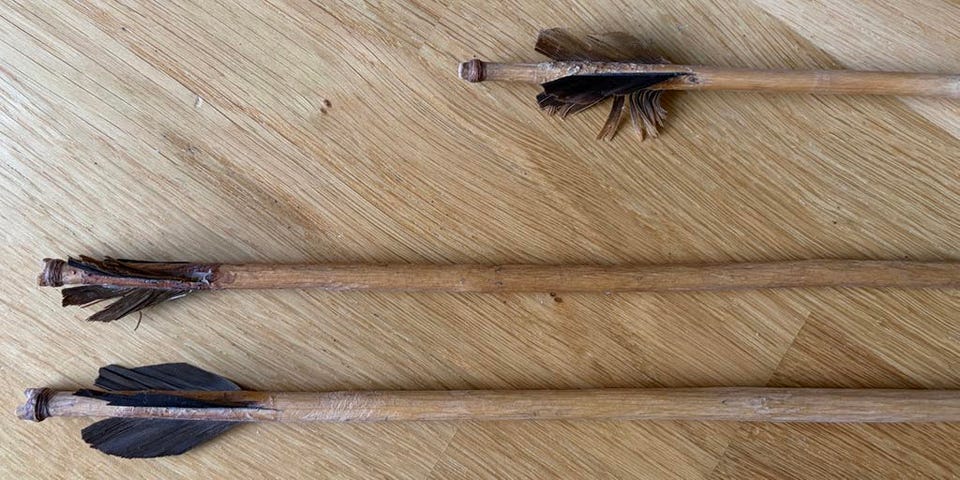
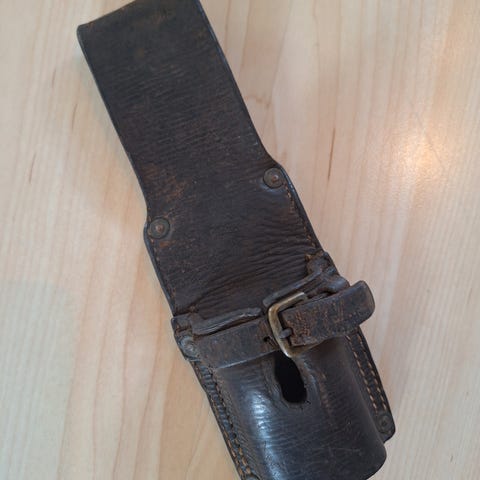
Japansk Samurai pil-kogger fra Okubo-klanen. Bud mottas
Til salgs
20 000 kr
Beskrivelse av varen
Tilstand: Godt brukt - Synlig brukt
Bud mottas.
Meget sjeldent Japansk Samurai pil-kogger fra Okubo-klanen. Antatt alder: sen 1700-tallet
(Yebira (arrow quiver), utsubo type)
Dok: (http://www.samurai-archives.com/crest5.html )
(http://wiki.samurai-archives.com/index.php?title=Okubo_clan)
(https://en.wikipedia.org/wiki/Ōkubo_clan)
Home province Mikawa
Parent house Fujiwara clan via the Utsunomiya clan
Titles daimyō, viscount
Founder Ōkubo Tadatoshi
Final ruler Ōkubo Tadayoshi (II)
Founding year 15th century
Dissolution still extant
Ruled until 1873 (Abolition of the han system)
Cadet branches four cadet branches to the Meiji Restoration
”The Okubo were descended from the Utsunomiya family and were for a time known as the Utsu. They were long-time retainers of the Matsudaira family and in the service of Tokugawa Ieyasu achieved much success. A scandal centered around the Okubo that culminated in the 1614 dispossessing of Okubo Tadachika was a nearly fatal blow to that family's position under the Tokugawa. ”
(http://en.wikipedia.org/wiki/Satomi_Tadayoshi)
”Satomi Tadayoshi (里見忠義 ?) (1594-1622) a retainer of the Japanese clan of Okubo following the Azuchi-Momoyama period of the 17th century. Following the conspiracy of the Okubo clan against the authority of the Tokugawa Shogunate, Tadayoshi along with many others under the Okubo were dispossessed of their personal holdings.”
”…When Toyotomi Hideyoshi took the castle in 1590, and awarded the holdings of the Hōjō to Tokugawa Ieyasu, who in turn installed the Okubo clan at Odawara. ”
(http://ci.nii.ac.jp/naid/110002364038/)
”By examining with whom and how frequently Okubo Toshimichi met with different people during the December 1867 (Keio 3)-March 1877 (Meiji 10) period, the author has come to the following conclusions about Okubo's political relationships. First, his political relations with court nobles and feudal lords (daimyo) who had held high places in the traditional hierarchy of status and authority, including Iwakura Tomomi and Sanjo Sanetomi, became gradually estranged. The decline of the influence of nobles and feudal lords in politics and the contrasting rise of Okubo's influence can be regarded as causes of that trend. Second, Okubo's relations with those who came from the same Kagoshima clan were very intimate throughout this period. After around January 1876, however, he came to rely slightly less on these relations, because with his rise in politics it became more and more possible for him to win over competent officials directly without using intermediaries based on factional ties. Third, those who came from the Yamaguchi, Saga and Kochi clans worked in cooperation with Okubo during the period of the Boshin Wars. After the Boshin Wars antagonism between Okubo and Kido Takayoshi increased. At the same time opposition to the government led by these two men increased from those outside the government. Many men from these three clans played important roles in this arena of political rivalry, and it seems that the inclination towards supporting Okubo was comparatively strong among those from Saga compared to the other two clans. As his relations with the Kido group improved from around December 1870 and the centralization of the government increased, the number of officials from the three clans who attempted to secure closer relations with Okubo increased gradually. However, this trend was also influenced by Okubo's rivalry with the Kido group, the Saigo group and others in the government. Especially after the debate on the expedition to Korea, the status of Okubo rose while the strength of those who had opposed him declined and officials from the three clans tried to consolidate their relations with Okubo. Fourth, clans other than Kagoshima, except for the above-mentioned three, had relatively few persons of importance in the government. Few from such clans played important roles in the political rivalries after the Boshin Wars to 1871. On the whole the relationships between Okubo and those from such clans were not intimate. But as his political status rose rapidly after the expedition to Korea debate, many of them developed closer relationships with him as officials in the middle rank. Fifth, those who had intimate political relations with Okubo shifted, from those who held a high rank in pre-Restoration organizations to those in lower ranks.
NB: Knappen for å vise hele beskrivelsen har kun en visuell effekt.
Brukerprofil

Du må være logget inn for å se brukerprofiler og sende meldinger.
Logg innAnnonsens metadata
Sist endret: 7.11.2025 kl. 14:33 ・ FINN-kode: 434987106
Utforsk våre nye sider for klær og mote
Ta en titt